As the war in the Middle East rages, let’s take a pause and a walk back through some history of the media and America at war.
Let's start specifically with the war in Vietnam.
As someone (ahem!) old enough to recall the media coverage of the Vietnam War there is plenty to remember. And specifically to remember the slow and then rapid change of pace with the media of the day going from supportive to questioning to an outright anti-war coverage that was televised nightly into American living rooms.
So much did the media coverage of the war become a hot and then hotter topic in the day that it has even earned its own space in places like the Encyclopedia Britannica. The headline there:
The Vietnam War and the media
The entry reports:
The role of the media in the Vietnam War is a subject of continuing controversy. Some believe that the media played a large role in the U.S. defeat. They argue that the media’s tendency toward negative reporting helped to undermine support for the war in the United States while its uncensored coverage provided valuable information to the enemy in Vietnam.
Eventually the American media’s coverage of the war became heavily anti-war. The rest, as they say, became history as America recorded its first serious defeat in war.
And now? With President Trump’s decision to take out Iran’s growing nuclear capabilities? Now the media is on alert.
A few days back Trump launched what is called “Operation Epic Fury” headlined as follows by NPR:
The U.S. and Israel launch a major attack on Iran
That story reported:
“In an attack the Pentagon has called “Operation Epic Fury”, the United States along with Israel launched a major strike on Iran bombing sites in Tehran and other cities. In announcing the operation on social media, President Trump said the Iranian regime’s activities endanger the United States.”
The question now, with an eye to the media’s history on Vietnam, is simple. That would be: How long will any favorable media coverage of the war in Iran and the larger Middle East last?
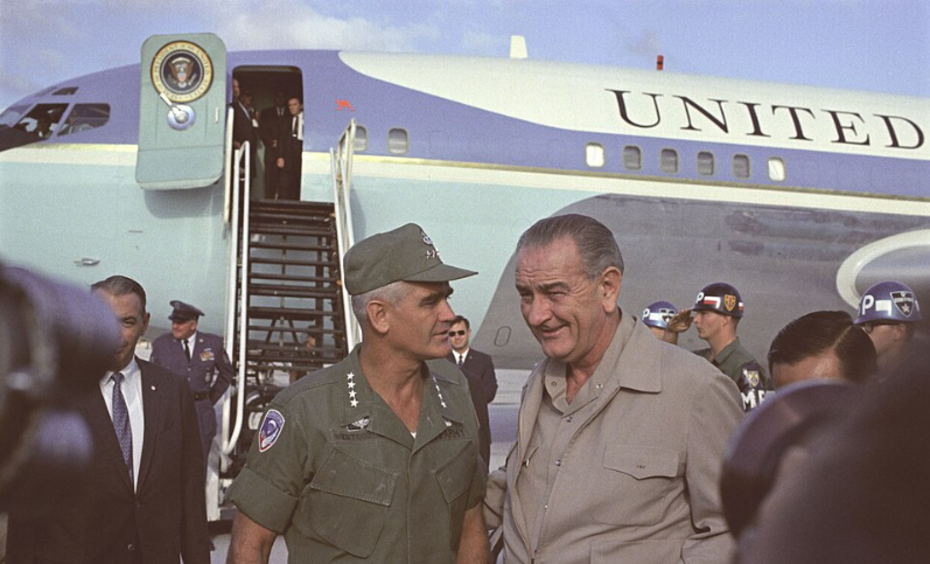
The question has a reason behind it. As the Vietnam media experience illustrated vividly, as the media of the day - led by CBS anchor Walter Cronkite - turned against the war, so, slowly, did the American public, but that came because they got the sense the war was lost and victory was no longer a goal.
Over time it made the Johnson Vietnam policy so hotly controversial that it forced the once-popular LBJ out of the 1968 race for re-nomination. An anti-war candidate, Minnesota Democrat Senator Eugene McCarthy, gained enough political steam, aided by the anti-war media, to humiliate LBJ in the party’s primary in New Hampshire.
With that, New York Senator Robert Kennedy got into the race. The Johnson presidency very quickly was effectively over. RFK was assassinated as he was winning various primaries, and by pure political force LBJ got his Vice President, Hubert Humphrey, nominated. Humphrey would go on to lose to the GOP’s former Vice President Richard Nixon. Nixon effectively ended the war and was re-elected in a 49-state landslide.
Which is to say, what started as a small regional conflict had been so escalated, with the anti-war media of the day slowly increasing its coverage until it became the dominant story of every day, that it forced a once popular president to cease his re-election campaign and his party to lose the 1968 presidential election altogether.
The question now? Will history repeat itself when it come to the media’s coverage of the situation in Iran and the Middle East? And will the Trump White House ignore the coverage? Or make it a hot topic all of its own?
Already, we may have an answer. By Friday late afternoon the White House released this statement:
CNN Is Lying to Undermine Operation Epic Fury’s Crushing Success
The statement says:
Fake News CNN is at it again. While U.S. forces deliver crushing blows to obliterate Iran’s terrorist regime, CNN’s hack ‘journalists’ are peddling Democrat-sourced fiction to undermine our decisive victories in Operation Epic Fury.
The statement goes on by citing specifics.
The first:
CNN alleged the Pentagon and the National Security Council ‘did not plan’ for Iran’s willingness to close the Strait of Hormuz.
The second reads:
CNN further alleged ‘Top Trump officials acknowledged’ this to lawmakers in a classified briefing.
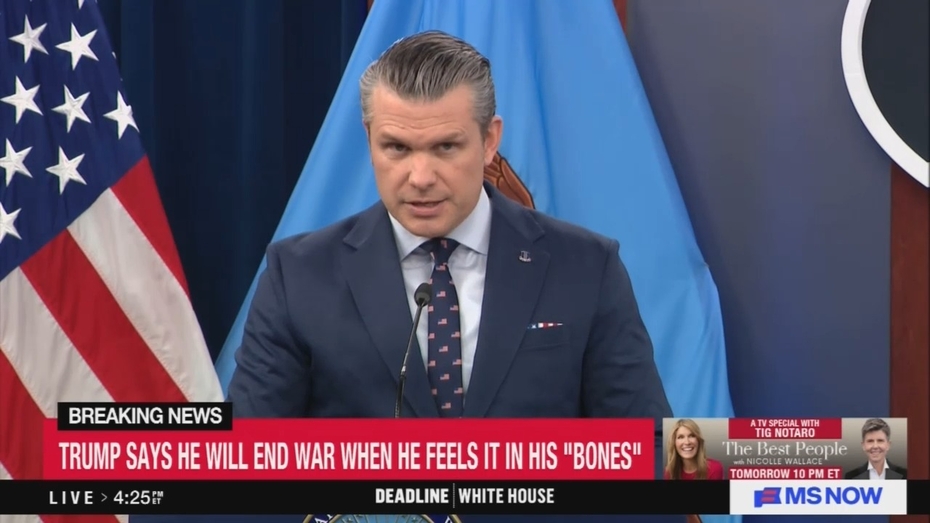
In short? Unlike 1968 and Walter Cronkite’s attack on LBJ’s Vietnam policy, President Trump is not sitting back and allowing today’s media - CNN in this case - to paint its own anti-media picture of the Trump Iran/Middle East policy.
Time has moved on. As is said often enough in this corner: Stay tuned.
What unfolds between the media and the Trump administration when it comes to the coverage of American policy in Iran and the larger Middle East remains to be seen.