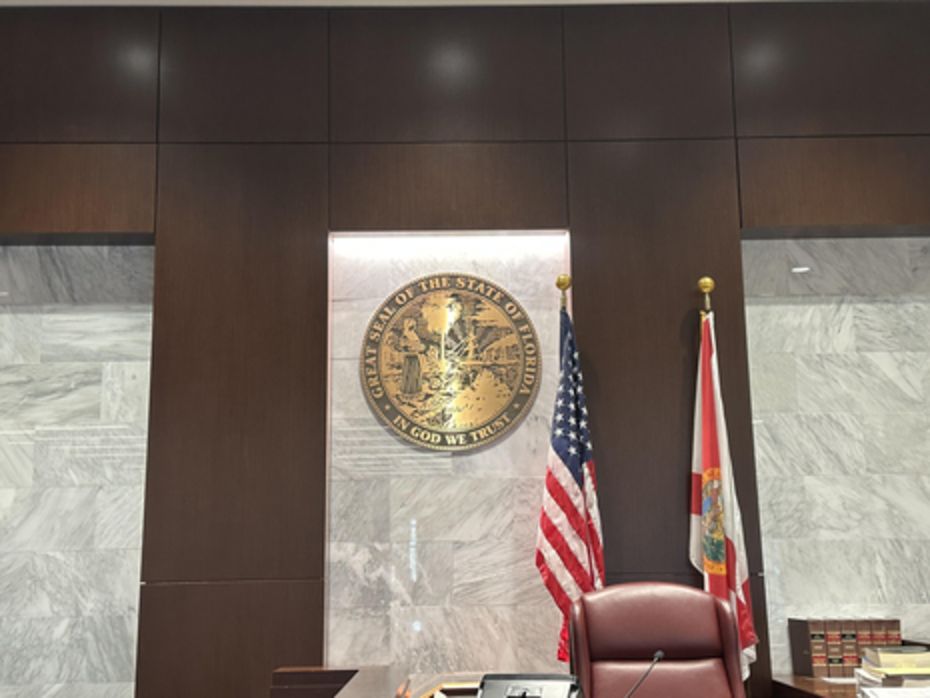
As NewsBusters previously reported, the AP’s use of the term “smuggling” was a key part of Young’s case against the newswire, which saw many outlets parrot its allegedly defamatory words. The hearing was part of Young’s hope to get his defamation lawsuits against AP and Puck News back on track after they were tossed out in August 2025.
In a Facebook post from February 6 2019, the AP Stylebook wrote this about human smuggling: “Human smuggling or people smuggling typically involves transporting people across an international border illegally, with their consent, in exchange for a fee.”
“Well, smuggling can be used in a rhetorical sense where it doesn't imply illegality, but that's not the way it was used in this article,” argued Young’s counsel Lisa Glass to the panel.
Glass pointed directly to the definition in the AP’s own stylebook to make her case:
So the article says, "Young's business helped smuggle people out of Afghanistan," and then talks about the funding for that. So, those are the definitional elements of the crime of human smuggling as recognized by federal and international law and also as recognized in the AP Stylebook, which says, which talks about smuggling as being cross-border illegal transport -- illegal movement of people across the border in exchange for money. And that’s exactly what AP reported, so they didn't report it in a rhetorical sense.
In their rebuttal, AP’s counsel Charles Tobin, who also was part of the team who defended CNN during Young’s successful defamation case, completely dismissed the AP’s own published work as an appropriate citation of how the newswire should be mindful of definitions. Judge L. Clayton Roberts pressed him on it:
ROBERTS: The AP publishes something called the AP Style Manual, correct?
TOBIN: Correct.
ROBERTS: And it defines “smuggling,” and the definition that the AP publishes for their reporters to use, and lots of other people use it, it says “smuggling” is an illegal activity.
TOBIN: It says, “human smuggling” is an illegal activity, or “people smuggling,” the whole point of defining a term, Your Honor, we do this in our briefs every day, is to use the term consistently from case-to-case moment-to-moment within it as you're walking through a brief.
In a defamation hearing today, AP's lawyer argues to a panel of judges that their style guide doesn't matter.
— Nicholas Fondacaro (@NickFondacaro) June 9, 2026
He argues that it's okay the AP didn't follow their own guidelines when they used a word their book gives a negative meaning that implied illegality to describe the… pic.twitter.com/vmVbu0ijtk
Things seemed promising for Young given that two of the judges who heard the appeal, Judges Roberts and Thomas D. Winokur sided with him to reaffirm that he could seek punitive damages in his successful defamation case against CNN. Both also seemed to put heavy emphasis on definitions and the language used in reports by the media.
As of publication, Florida’s First District Court of Appeal had not issued a ruling on Young’s case against Puck News.