As NewsBusters previously reported, the AP’s use of the term “smuggling” was a key part of Young’s case against the newswire, which saw many outlets parrot its allegedly defamatory words. The hearing was part of Young’s hope to get his defamation lawsuits against AP and Puck News back on track after they were tossed out in August 2025.
In a Facebook post from February 6 2019, the AP Stylebook wrote this about human smuggling: “Human smuggling or people smuggling typically involves transporting people across an international border illegally, with their consent, in exchange for a fee.”
“Well, smuggling can be used in a rhetorical sense where it doesn't imply illegality, but that's not the way it was used in this article,” argued Young’s counsel Lisa Glass to the panel.
Glass pointed directly to the definition in the AP’s own stylebook to make her case:
So the article says, "Young's business helped smuggle people out of Afghanistan," and then talks about the funding for that. So, those are the definitional elements of the crime of human smuggling as recognized by federal and international law and also as recognized in the AP Stylebook, which says, which talks about smuggling as being cross-border illegal transport -- illegal movement of people across the border in exchange for money. And that’s exactly what AP reported, so they didn't report it in a rhetorical sense.
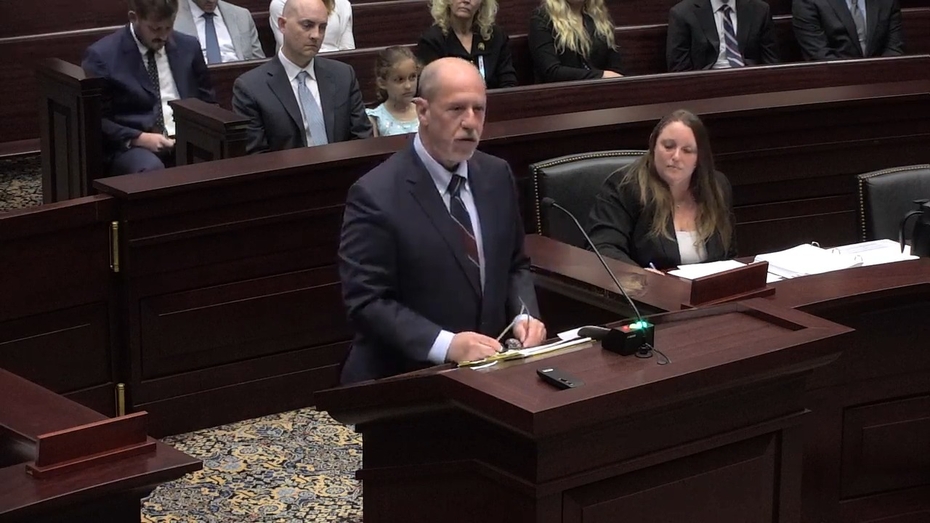
In their rebuttal, AP’s counsel Charles Tobin, who also was part of the team who defended CNN during Young’s successful defamation case, completely dismissed the AP’s own published work as an appropriate citation of how the newswire should be mindful of definitions. Judge L. Clayton Roberts pressed him on it:
ROBERTS: The AP publishes something called the AP Style Manual, correct?
TOBIN: Correct.
ROBERTS: And it defines “smuggling,” and the definition that the AP publishes for their reporters to use, and lots of other people use it, it says “smuggling” is an illegal activity.
TOBIN: It says, “human smuggling” is an illegal activity, or “people smuggling,” the whole point of defining a term, Your Honor, we do this in our briefs every day, is to use the term consistently from case-to-case moment-to-moment within it as you're walking through a brief.
In a defamation hearing today, AP's lawyer argues to a panel of judges that their style guide doesn't matter.
— Nicholas Fondacaro (@NickFondacaro) June 9, 2026
He argues that it's okay the AP didn't follow their own guidelines when they used a word their book gives a negative meaning that implied illegality to describe the… pic.twitter.com/vmVbu0ijtk
“The AP did not use the terms in its Stylebook. The Stylebook is inapt as, it is inapplicable to the circumstances of this case,” Tobin argued.
Tobin’s argument was eyebrow raising given that he prefaced his comments with how important it was for legal professionals to have common definitions for words, but then rhetorically tossed away a stylebook for journalists and newsrooms, which provided the same function.
“We just heard the attorney for the Associated Press get up here and say that its stylebook, which is a handbook for journalists, for students worldwide, does not apply to this case, that its reporter should not be held to what it says,” Glass proclaimed when it was time for her rebuttal. “Words matter. The AP created its own stylebook to ensure that.”
Young's counsel Lisa Glass calls out the AP's lawyer for dismissing the AP Stylebook:
— Nicholas Fondacaro (@NickFondacaro) June 9, 2026
(...)
GLASS: We just heard the attorney for the Associated Press get up here and say that its style book, which is a handbook for journalists, for students worldwide, does not apply to this… pic.twitter.com/Ha8jhU9oxe
To provide a fuller context for how the AP used the phrase “human smuggling,” Glass noted Young provided the court with “40 examples of recent reporting by the AP, which were reported both before and after the article at issue that used ‘human smuggling,’ ‘people smuggling’ in exactly the way that its stylebook was intended; to describe criminal conduct.”
No timeframe for a ruling was given for either of Young’s appeals before the proceeded were adjourned. NewsBusters will continue to track both cases closely.
The full recording of both hearings is below.
The transcript of the relevant portions of the hearing are below. Click "expand" to read:
Oral Argument - Zachary Young v. AP - Florida 1DCA
June 9, 2026(…)
LISA GLASS: Well, smuggling can be used in a rhetorical sense where it doesn't imply illegality, but that's not the way it was used in this article. And the trial court’s reasoning where the analogy about smuggling a candy bar divorces the term smuggle from the context in which it was used in the article.
So the article says, "Young's business helped smuggle people out of Afghanistan," and then talks about the funding for that. So, those are the definitional elements of the crime of human smuggling as recognized by federal and international law and also as recognized in the AP Stylebook, which says, which talks about smuggling as being cross-border illegal transport -- illegal movement of people across the border in exchange for money. And that’s exactly what AP reported, so they didn't report it in a rhetorical sense.
(…)
CHARLES D. TOBIN: Your Honor, those are all pages 407 to 415 of the record. That is the testimony on which the word "smuggle" is based, and we would submit that for purposes of defamatory meaning when read in the context -
JUDGE L. CLAYTON ROBERTS: The AP publishes something called the AP Style Manual, correct?
TOBIN: Correct.
ROBERTS: And it defines “smuggling,” and the definition that the AP publishes for their reporters to use, and lots of other people use it, it says “smuggling” is an illegal activity.
TOBIN: It says, “human smuggling” is an illegal activity, or “people smuggling,” the whole point of defining a term, Your Honor, we do this in our briefs every day, is to use the term consistently from case-to-case moment-to-moment within it as you're walking through a brief.
The AP did not use the terms in its Stylebook. The Stylebook is inapt as, it is inapplicable to the circumstances of this case.
And Your Honor, we haven't talked yet about Judge Winoker's question, which I think does drive the decision that the court should reach here, which is, how do you read something? What are the tools that the court uses to read something when somebody argues that they're all avail themselves of more than one meeting? And what you do is you look to the context for the defamatory meaning question, you look to the context of the entire publication.
(…)
GLASS: We just heard the attorney for the Associated Press get up here and say that its stylebook, which is a handbook for journalists, for students worldwide, does not apply to this case, that its reporter should not be held to what it says.
Words matter. The AP created its own stylebook to ensure that.
JUDGE THOMAS D. WINOKUR: But, I mean, defamation, the definition of it is that the public has been led to, believe, some falsity about somebody. So, why does the public care what the AP writes in its stylebook about what the definitions of words are?
I'm not denying that the word “smuggle” might have some sort of a very negative connotation, but what does the AP Stylebook have to do with what the public thinks?
GLASS: Well one of the purposes of the stylebook is to have consistency in reporting, and for especially in a hard news article like this, when a public reads it and they take it at face value, they know what human smuggling means.
Below, we provided 40 examples of recent reporting by the AP, which were reported both before and after the article at issue that used “human smuggling,” “people smuggling” in exactly the way that its stylebook was intended; to describe criminal conduct. And I find it disingenuous to accept this one article from that manner of usage of the word that's dictated by the stylebook.
Also it's not just one word which counsel kept repeating, it's just one word, it's just one word, no, it's a defined term, it's a phrase, it's not “smuggle” in isolation, it's smuggled people.
(…)