Hollywood is proving, once again, that political tolerance only seems to apply when you agree with them.
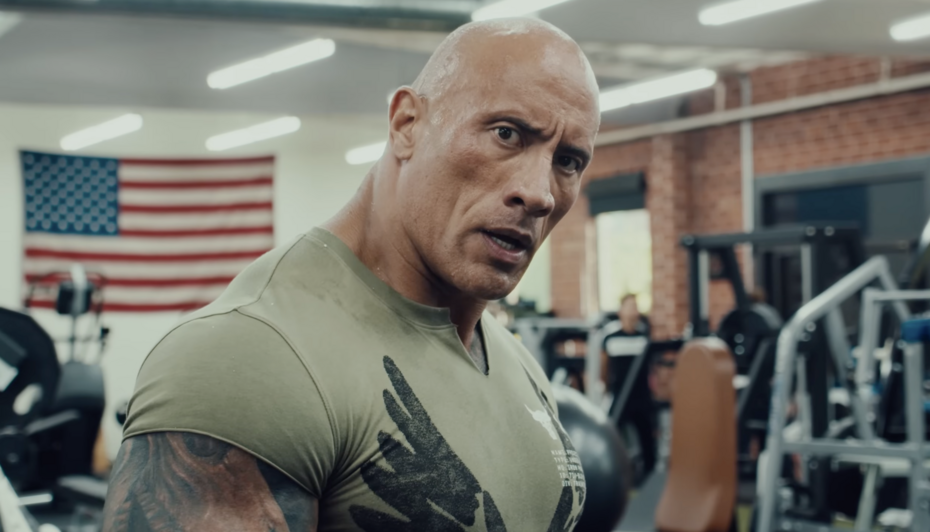
The criticism stems from Johnson's Esquire Summer 2026 cover story, in which he explained that he's stepping away from public political commentary. Johnson said he's "going to keep my politics to myself," explaining that politics has become so toxic and divisive that he'd rather focus on creating, telling stories, and bringing people together than adding to the daily political food fight.
While some Hollywood figures condemned Johnson's decision, the reaction on X was markedly different. Many users praised him for stepping away from celebrity political activism and mocked the actors who criticized him for doing so.
Oh no, two 80s z-listers are mad because not everyone makes everything about politics as insufferably as they do.
— Dana Loesch (@DLoesch) July 1, 2026
George Takei is a washed up political junkie whose entire career exists only because he was lucky enough to be a C-tier character on a popular TV show from the sixties. There is no career advice he can possibly offer Dwayne Johnson worth taking.
— John Hawkins (@johnhawkinsrwn) July 1, 2026
Rock to Takei: pic.twitter.com/eFIFxQwVp8
— Ambar (@Ambar_SIFF_MRA) July 1, 2026
This the Wil Wheaton lecturing people on morality? pic.twitter.com/j3AuoErFov
— Jon Martin (@jthomasmartin) July 1, 2026
Johnson also offered an interesting perspective on Hollywood's ongoing feud with President Trump. Asked about Bruce Springsteen's repeated criticism of Trump during his concerts, Johnson said his first thought wasn't to cheer on another celebrity political clash—it was, "Why don't they talk?" He suggested the two should simply sit down together, arguing that conversation is a far better starting point than more public mudslinging. It's a notable contrast to the many Hollywood celebrities who have made their opposition to Trump a regular part of their public persona.
What's interesting is that Johnson wasn't always reluctant to speak out politically. In 2020, he publicly endorsed Joe Biden and Kamala Harris for president and vice president. But by 2024, he announced he would not endorse any presidential candidate, later explaining that he regretted making his political preferences public because he believed it had contributed to division rather than bringing people together.
That apparently wasn't good enough for some in Hollywood.
The expectation today isn't simply that celebrities have political opinions. It's that they're increasingly expected to publicly express the "right" political opinions. If they support progressive causes, they're praised as courageous. If they support conservatives, they're often vilified. And now, even choosing to keep your politics private can earn accusations of cowardice.
In many ways, Johnson seems to be recognizing something Hollywood has been slow to figure out: a lot of Americans are simply tired of being lectured by celebrities about politics. They don't look to actors for voting advice—they look to them for entertainment. That's not to say public figures can't have political opinions or shouldn't express them if they choose. But after years of nonstop political commentary from Hollywood, it's understandable why many Americans have tuned it out.
Johnson isn't telling anyone else to stay silent. He's simply choosing to keep his own political views private after years of speaking out publicly. Ironically, that decision has sparked outrage from some of the very people who often preach tolerance, inclusion, and acceptance. For a movement that frequently champions diversity and inclusion, there doesn't seem to be much room for diversity of thought—or even the decision to keep your politics to yourself.
Whether you agree with Johnson's politics or not, one thing is clear: he seems to understand what much of Hollywood doesn't. Many Americans are exhausted by the constant political lectures and culture-war commentary from celebrities. Sometimes people just want to enjoy a movie without being told how to vote.