Video
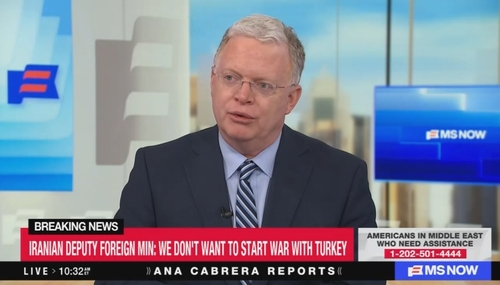
Iranian Official Proves MS NOW Report False Via Interview With Network
March 5th, 2026 7:16 PM
During an interview on Wednesday’s Ana Cabrera Reports, the Iranian Deputy Foreign Minister confirmed key details of a Special Envoy Steve Witkoff's interview on FOX News where he stated the Iranians claimed to have enough material for eleven nuclear bombs, a statement that MS NOW rushed to report was false based on an "anonymous Gulf diplomat.”
Video
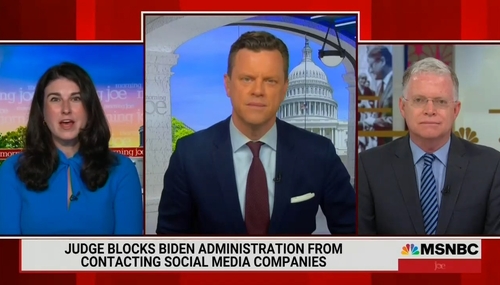
Morning Joe Goes on 'Disinformation' Power Trip, Touts Censorship
July 5th, 2023 6:34 PM
Wednesday’s Morning Joe panel featured a stunning display of support for government censorship and crackdown on anything deemed “disinformation” by Democrat politicians or the media themselves.
In this blistering assault on the First Amendment of the US Constitution, MSNBC journalists Jonathan Lemire and Willie Geist brought on The Washington Post’s Cat Zakrzewski and…
Video
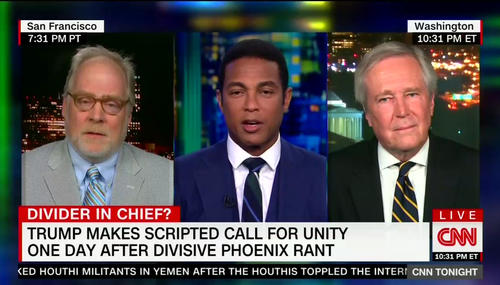
Lies: Lemon Says Trump's Sanity Isn't Being Questioned, Smears Critics
August 24th, 2017 12:11 AM
Wednesday’s CNN Tonight had no chance of surpassing the hall of shame lunacy showcased the day before after the Trump rally calling out the President’s mental health. However, host Don Lemon briefly lashed out at people who called him out, spreading lies that critics should “know better” and not make “a political point” by saying Trump’s sanity is being questioned.
Video
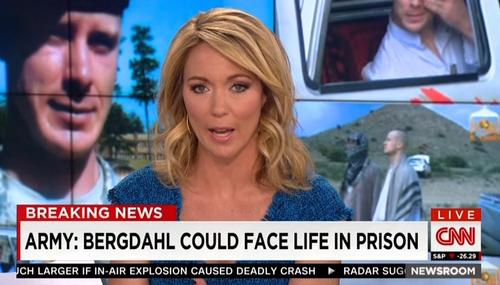
CNN's Baldwin on Bergdahl: Isn't Captivity 'Punishment Enough'?
March 25th, 2015 5:42 PM
CNN's Brooke Baldwin slanted towards the sympathizers of Sgt. Bowe Bergdahl on Wednesday's CNN Newsroom, just minutes after the U.S. Army announced that the former captive would be charged with desertion. Baldwin asked special forces veteran Scott Mann, "You have those who...on the opposite end, [are] vilifying him. Again, this is someone who was held...for five years by terrorists. Is that not…

MSNBC’s Alex Witt Suggests Obama Was ‘Big Winner’ On Syria
September 17th, 2013 12:15 PM
MSNBC’s Alex Witt loves to ask questions that try to steer her guests toward a certain response, and she was at it again on Saturday’s edition of Weekends with Alex Witt. The host attempted to get three separate guests to agree with her that President Obama was last week’s “big winner” for stumbling onto a potential diplomatic solution to the Syrian crisis. When the third guest was critical of…

Andrea Mitchell: American Muslims 'Understandably' Very Worried About
April 22nd, 2013 3:46 PM
Everyone knows about the terrible backlash against America Muslims after 9-11, so it's understandable for Muslims to be worried about a post-Boston bombing backlash, right?
What? There was no major backlash against Muslims in 2001 or thereafter? American Jews suffer far more religion-based attacks than Muslims every year? Then why did Andrea Mitchell today exclaim that Muslims were "…

Former NYTimes Reporter: Secretive Drone Strikes 'Would Get Much More
October 15th, 2012 3:37 PM
New York Times Public Editor Margaret Sullivan's Sunday column on drone strikes featured an interesting comment about (media?) bias against Republicans from David Rohde, a reporter kidnapped by the Taliban in 2008.
First, Sullivan criticized the Obama administration from the left:
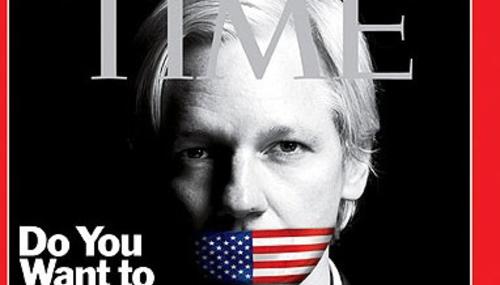
Bozell Column: Assange's Media Allies
December 7th, 2010 10:52 PM
On December 7, the notorious radical mastermind of “WikiLeaks,” turned himself in on a sexual assault charge in London. But in the liberal media, the condemnations are few. There are no real enemies to the media elite’s left, especially if they can be (very loosely) identified with journalism. Julian Assange may be highly motivated to cripple American “imperialism,” but his relentless efforts…
Its Reporter Safe, NYT Returns to Publicizing Hostage Details
November 2nd, 2009 1:39 PM
Protections at the New York Times for captured Times reporters don’t extend to captured British citizens. Months after the New York Times and 40 other news outlets collaborated to keep the kidnapping of reporter David Rohde secret, the Grey Lady is now putting a British couple captured by Somali pirates in danger. UPDATED With N.Y. Times Response (and more)
Wikipedia Helps NYT Cover Up Reporter's Capture
June 29th, 2009 6:21 PM
Wikipedia can be a vehicle for tearing down barriers and democratizing information. Unless the New York Times is involved. Just as the Times was able to keep 40 other media organizations from reporting on the capture of their own David Rohde, so too were they able to keep Wikipedia from reporting it. They also used his Wikipedia page to try to win favor with the Taliban. Just three days after…
NYT Will Name CIA Interrogators But Not Captured Journalists
June 22nd, 2009 3:22 PM
In their watchdog role of keeping the public informed, the New York Times has over the years disclosed government secrets regarding anti-terrorism tactics, overseas prisons, interrogation tactics, and military tactics, that critics contend have harmed the effectiveness of the programs and put America and our military at greater risk.
In fact, in 2008, the Times even published the name of an…