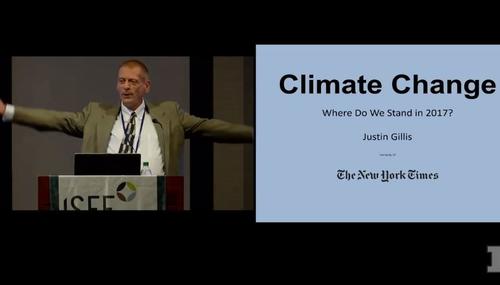
NY Times Former Reporter: Toss ‘Climate Troglodytes’ Like Trump Out
October 13th, 2019 9:17 PM
The latest New York Times Sunday Review was graced by Justin Gillis, who served as chief environmental reporter for the paper until late 2017 and is now a contributing opinion writer free to spout in even more partisan and hysterical tones about the “troglodytes” and dangerous deniers who don’t see impending climate catastrophe: “Our Climate Future Has Arrived.” The online headline deck was a…

NYT Outdoes HuffPost in Climate Alarmism in Lead: 'Hastening Perils'
December 7th, 2018 8:03 AM
The New York Times' lead story Thursday proved that its newish alarmist environmental reporter Kendra Pierre-Louis is a worthy successor to the paper’s previous alarmist environmental reporter, Justin Gillis, in “Emissions Surge, Hastening Perils Across The Globe – 2 New Warming Studies – Rising Greenhouse Gases Likened to ‘Speeding Freight Train.’” The lead sentence was even more histrionic than…
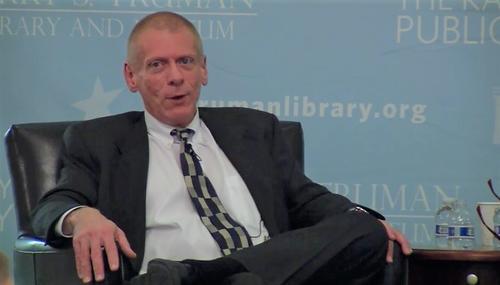
NYT Climate Alarmist Celebrates James Hansen, Hit Free-Market 'Lies'
June 24th, 2018 4:44 PM
Justin Gillis, former activist and alarmist Times environmental reporter, returned to the opinion page to continue his mission against emissions and to mark the 30th anniversary of NASA scientist and climate scold James Hansen’s jeremiad to Congress on global warming (now repurposed as “climate change”): “He Was Right About The Climate.”
NYT's Climate Alarmist Reporter: We're in 'Big Trouble,' Eat Less Meat
September 25th, 2017 12:48 PM
In Sunday’s New York Times, the paper’s departing prophet of environmental doom, er reporter, Justin Gillis answered 17 questions under the heading “Your Questions About Climate Change, Answered.” Here’s a slice of Gillis’s confidently alarmist Q&A with himself, with leading questions answered with unjustified certitude -- just like in his previous “climate change” articles. He got really…
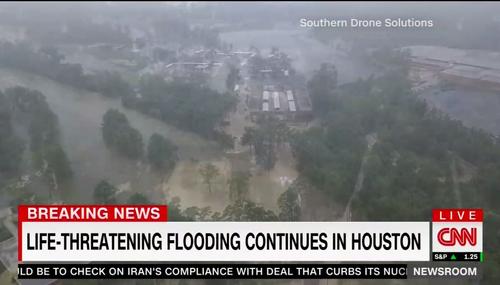
Smug NYT Reporters Use Hurricanes to Bash Texans, Floridians, and GOP
September 19th, 2017 3:45 PM
The New York Times’ most activist environmental reporter Justin Gillis is leaving the paper, but not before one last Cassandra-style wail on the front of the Science section keyed to the recent major hurricanes that have hit the South: “The Unpredictable Human Factor.” Gillis, who has a knack for getting scary yet inaccurate stories on the paper’s front page, employed a condescending “told you so…

Total Eclipse of Objectivity: NYT Reporter’s Climate Change Baby Talk
August 20th, 2017 7:04 PM
In Sunday’s New York Times, the paper’s most activist environmental reporter Justin Gillis, who has a knack for getting scary yet inaccurate stories on the paper’s front page, delivered a condescending lecture to the effect that if you believe an eclipse will occur on Monday, then you’d better believe everything “science” tells you about “climate change” as well, in “Should You Trust Climate…
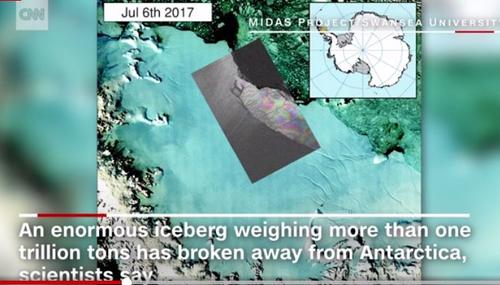
NYT Sets Off Page 1 Alarm on Iceberg; Scientists Play It Cool
July 14th, 2017 11:04 AM
Downplaying its hallowed veneration of “science” for the sake of climate alarmism, the New York Times used the story of a huge iceberg which broke off this week from the Larsen C ice shelf on the Antarctic Peninsula as an excuse to warm up the “climate change” machine. Climate reporter Justin Gillis, who has a long record of alarmist, activist reporting on this issue, and Jugal Patel made the…
NYT's Gillis, Man on a Climate Mission, Mocks GOP Crazies
February 7th, 2017 2:46 PM
New York Times reporter Justin Gillis is a man on a mission to save the planet from the depredations of global warming (rebranded as “climate change”). The activist environmental reporter was at it again in the paper’s Tuesday Science section, “Cooling Language About a Warming Earth" (too ideological even for the news pages?). Gillis, who regularly pushes the idea of a looming environmental…

NYT Records Election Panic Hitting Kerry's Fun Antarctic Trip
November 16th, 2016 1:25 PM
"The trip began a day before the election, and Mr. Kerry had confidently predicted a Hillary Clinton victory."
Ah! It was the best of times, it was the best of times. Not a hint that anything could possibly ruin the upbeat mood of what was essentially an Election Day victory lap by Secretary of State John Kerry and his merry band of liberals to the bottom of the world. Fortunately, for the…
NYT's Bias Boils Over in Paris: 'News' Stories Plea for Climate Action
December 1st, 2015 6:12 PM
The New York Times' coverage of the international climate change summit in Paris remained on an aggressive boil, as Coral Davenport and Gardiner Harris' report from France Tuesday, "Citing Urgency, World Leaders Converge on France for Climate Meeting," hit the same set of alarmist notes Davenport did in her previous story from Paris. And Justin Gillis, the paper's most alarmist environmental…
Overheated NYT Warns of 'Catastrophic Events' if Climate Talks Fail
November 30th, 2015 8:39 PM
Hyperbole much? The New York Times brought predictably alarmist and overheated coverage to the climate talks in Paris, while lauding President Obama's attempt to make a legacy fighting "global warming." Environmental Reporter Coral Davenport gushed: "On Sunday night he arrives in Paris, hoping to make climate policy the signature environmental achievement of his, and perhaps any, presidency." In…
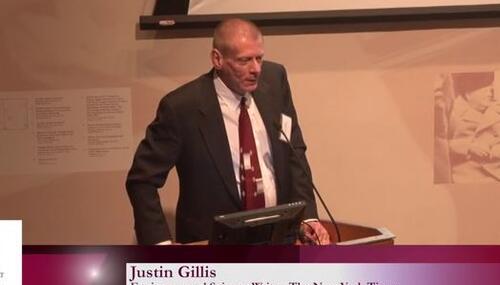
NYT's Climate Alarmist-in-Chief Finds Another Dubious Warming 'Record'
October 22nd, 2015 10:23 PM
The New York Times featured more politicized environmentalist doom-mongering from Justin Gillis, the paper's chief alarmist, in "2015 Likely to Be Hottest Year on Record." Of course, the year isn't over yet, but that less-than-compelling news hook didn't stop Gillis from going beyond the stats to work in alarmist environmental and anti-"denialist" political points, while dismissing the…

NY Times Embraces Christian Moralism (Left-Wing Variety) on Sunday A1
June 21st, 2015 6:15 PM
More liberal media double standards: The New York Times, which would move, ahem, heaven and earth to get religion out of politics when it comes to companies that refuse on religious grounds to pay for birth control, eagerly embraces the perceived moral authority of Christianity when it comes to its leftist issues like global warming. Exhibit A: Avowedly activist environmental reporter Justin…
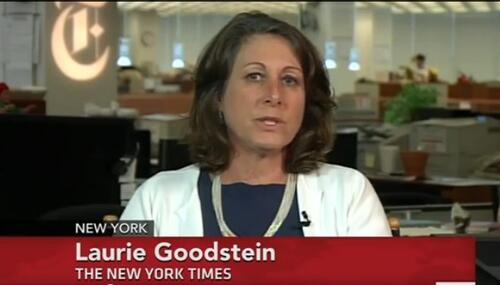
NYT Eagerly Cites Pope on Climate Change, Cheers Capitalism Criticism
June 19th, 2015 4:24 PM
Strange new religious respect: The formal release of Pope Francis's long-anticipated encyclical on global warming dominated Friday's New York Times, which avidly covered it from both environmental and religious angles -- quite unlike the paper's hostile treatment of the Vatican's stands on abortion and birth control. Laurie Goodstein, the paper's chief religion reporter, seemed to thoroughly…