
NY Times Hypocrites Worry About Bernie's Praise of Cuban Literacy
February 25th, 2020 4:01 PM
After Sen. Bernie Sanders doubled down on his past praise for aspects of the Communist regime of Cuba, Patricia Mazzei reported “Florida Democrats Try to Limit Harm From Sanders’s Castro Comments” in Tuesday’s New York Times. But the paper’s sudden concern about Sanders noting the high literacy rates under Fidel Castro’s dictatorship look hypocritical, considering how often Times reporters have…

NYTimes Plays With Emotions on Migrants, Running Tragic Photo on Front
June 26th, 2019 8:31 PM
A photograph of a father and his young daughter who drowned trying to cross the Rio Grande into America is causing emotional outcry among the left, helped along by supposedly objective journalists including the New York Times, which put it on top of the front page of its print edition. The original print version story about the tragedy was penned solely by reporter Mihir Zaveri, an updated…
NY Times Mourns 'Sharp Declines' In Illegal Immigration Under Trump
July 8th, 2017 6:10 PM
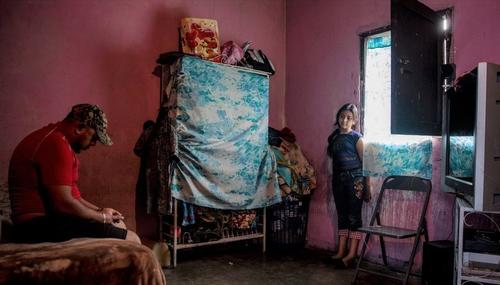
Our friend Howard Portnoy at Liberty Unyielding found The New York Times on Monday offered the kind of story we saw in The Washington Post: A heart-breaking tale of Donald Trump “winning” by discouraging illegal immigration. The front-page article poured out for 1,698 words under the headline “Fearful Migrants Stop Short of U.S.”
NYT Headline Puts Castro to Rest: ‘A Man So Large in a Box So Small’
December 5th, 2016 9:57 AM
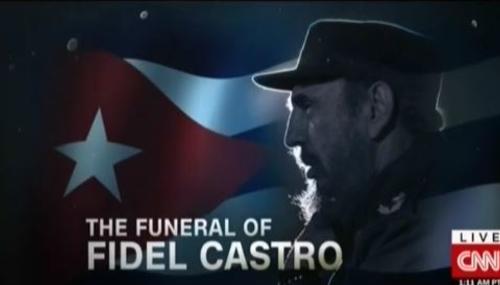
New York Times reporter Kirk Semple reported on Cuban Communist dictator Fidel Castro’s funeral fnd retained the paper’s soft-soap treatment of Castro’s tyrannical rule: “In Subdued Ending, Cubans Put Castro to Rest." The online headline even quotes one of his Cuban fawners: “Cuba Puts Fidel Castro to Rest: ‘A Man So Large in a Box So Small.’” Ugh. Semple's article praised Castro's "socialist…

NYT's Semple Strikes Again With Anecdotal 'Islamophobia' on A1
December 15th, 2015 1:09 PM
The latest from New York Times reporter Kirk Semple on the front page of Tuesday’s Times, “Muslim Youth in U.S. Feel Strain of Suspicion,” demonstrates that the paper’s strongest impulse after Islamic terror attacks is not to investigate what went wrong but to fret over perceived, anecdotal “Islamophobia” among their fellow citizens. It’s much like his previous, anecdote-heavy, statistic-free “…

CAIR, Packaged: NY Times Cries 'Islamophobia' With Gullible Coverage
November 26th, 2015 3:00 PM
It took two weeks after the mass slaughter by radical Islamists in Paris, but the New York Times finally finds itself comfortable with raising the false spectre of American "Islamophobia," with an enormous assist from the Council on American-Islamic Relations (CAIR), the so-called civil-rights organization many consider a Muslim pressure group, and whose ties to Hamas have been documented in…
NY Times Sniffs: Sen. Gillibrand Too Conservative for Multi-Ethnic Sta
January 28th, 2009 3:18 PM
Rep. Kirsten Gillibrand is the new senator from New York, replacing Hillary Clinton, who resigned her Senate seat to become Secretary of State in the Obama administration. But the New York Times hasn't exactly rolled out the welcome mat. So far the paper has done little but nag Gillibrand for being insufficiently liberal, pushing her to back away from her stands against amnesty for illegal…
NYT Can't Wait: 'Deadly U.S. Milestone' of 500 Deaths in Afghanistan
August 7th, 2008 3:16 PM
Editor's Note: This originally appeared on our sister publication TimesWatch.org.The New York Times's front-page report Thursday marking the 500th death in Afghanistan (most but not all in combat) tracks through the same muddy ruts as the paper's previous four stories marking each 1,000 fatality mark in Iraq. It's taken almost seven years of combat in Afghanistan to reach the plateau of 500, …