LAME Briefing: Reuters Invokes Islamophobia, USA Today Cheers Kamala
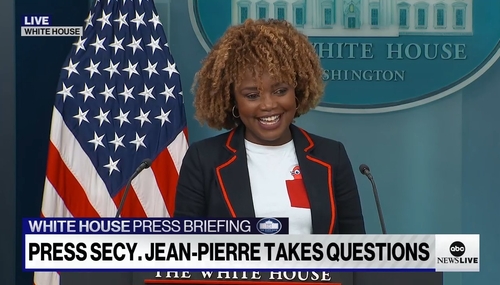
Wednesday’s White House press briefing not only featured two special guests to help prop up the ever-inept Karine Jean-Pierre (Agriculture Secretary Tom Vilsack and national security flack John Kirby), but there were a number of silly questions about climate change, Islamophobia, fawning over Kamala Harris, and live reaction to former President being ambushed at the National Association of…
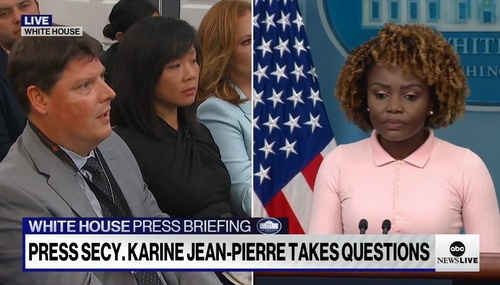
Don’t Care: AP Frets to KJP That Joe Got New COVID Booster in Private
As the liberal media hawk the latest COVID-19 booster shot and begin their latest fear-mongering campaign ahead of the holidays, the Associated Press’s Will Weissert served as the standard bearer during Monday’s White House press briefing as he opened the Q&A for the ever-inept Press Secretary Karine Jean-Pierre by fretting that President Biden didn’t get his umpteenth booster in public.…
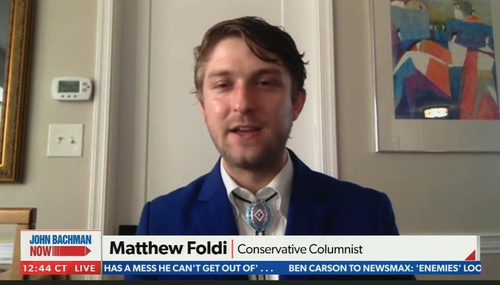
Editor’s Pick: Foldi Blows Lid Off Biden Scandal the Nets Won’t Touch
In a piece published Wednesday morning at the Washington Examiner, our friend Matthew Foldi exposed how the far-left dark money group Arabella Advisors has expanded its tentacles to capture the U.S. Department of Agriculture to the point that it works hand-in-glove with the USDA’s Secretary, Tom Vilsack.
Ho Hum: $6.2B in Improper Payments at USDA, Three Straight Years of Le