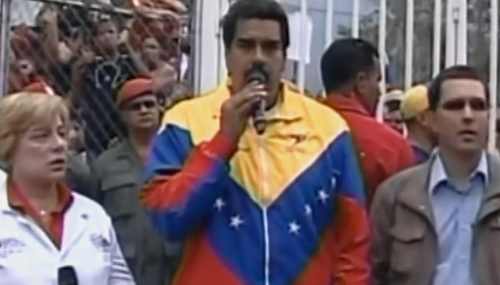
PBS Doc On Venezuelan Crisis Omits Any Reference To Socialism
PBS’s Tuesday Frontline documentary on Venezuela sought to highlight the series of events that led to the January capture of Nicolas Maduro. Naturally, that meant focusing in on Maduro’s corrupt and authoritarian rule, but there was one word noticeably absent from the history lesson: socialism.
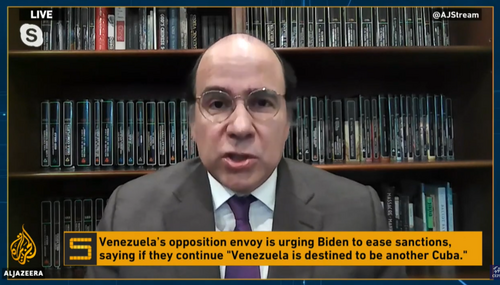
NY Times Hosts Soros-Tied Expert to Slam Trump's Post-Maduro Plans
It seems like the upper echelon of New York Times leadership understands that disclosing the explicit leftist biases of its sources has the potential to undermine the entire credibility of the newspaper’s anti-Trump mudslinging.
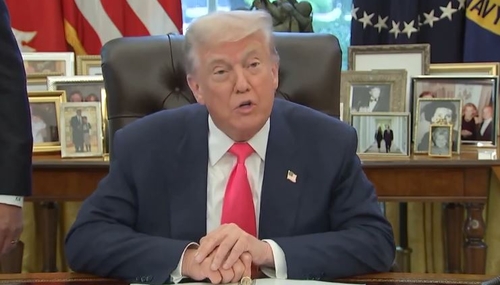
How Venezuela’s Chavez ‘Stole’ U.S. Oil, Assets
Since last weekend’s capture of Venezuela President Nicholas Maduro, who was wanted on narco-terrorism charges in New York, the leftist media and liberal politicians have been falsely “fact-checking” President Donald Trump’s recent comments that Venezuela “stole” oil assets from the U.S.
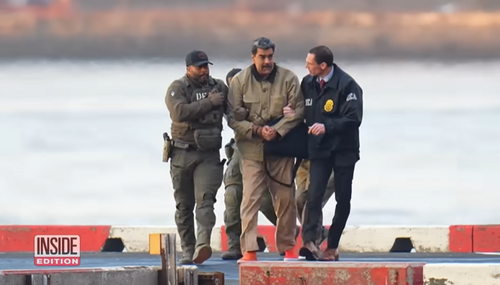
HUH? USA Today Whines Trump Maduro Capture Means He's Ignoring Economy
Apparently, the ignoramuses at USA Today thought it was brilliant strategy to whine that President Trump deposing a narco-terrorist dictator—who runs an oil-rich state and has been flooding America with deadly drugs—somehow means he's ignoring the economy.
NY Times Moronically Blamed 'Brutal Capitalism' for Venezuelan Demise
Normal people are breathing a sigh of relief that narco-terrorist leader Nicolás Maduro is finally getting his just desserts for getting fat off of the torture of his citizens and funneling drugs into the U.S. for years. For MRC, it’s a moment worth recalling when the idiotas at The New York Times made their readers dumber by blaming anything but communism and socialism for…
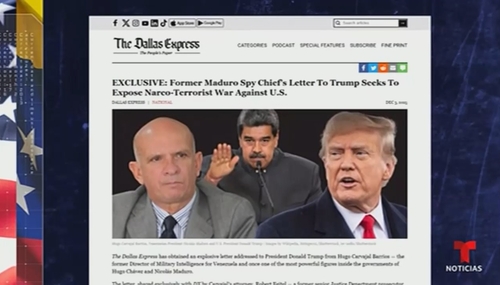
Network Newscasts IGNORE Venezuelan Spy Chief’s Shocking Allocution
You may or may not know at this time that Hugo “El Pollo (The Chicken)” Carvajal, former head of Venezuela’s General Directorate of Military Counterintelligence (DGCIM) is currently in federal prison awaiting sentencing for drug trafficking charges. If you depend on the Elitist Media for news coverage, you DEFINITELY don’t know that he just published a bombshell allocution that lays out the…
IDIOTA! NYT Blames ‘Brutal Capitalism’ for Venezuela’s Demise
The New York Times had the temerity to actually blame free markets for Venezuela’s descent down the economic cesspool under socialist dictator Nicolás Maduro.
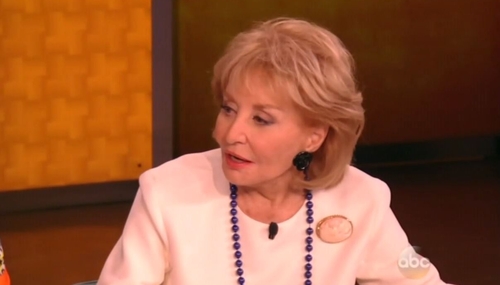
FLASHBACK: The Many Liberal Heroes of Barbara Walters
Longtime ABC News personality Barbara Walters died Friday at the age of 93. While she shouldn’t be confused with one of those classless left-wing hacks you see too much of in today’s media landscape (including on her daytime creation The View), Walters nonetheless exhibited a typical Manhattan liberalism that celebrated even the most flawed Democratic partisans.
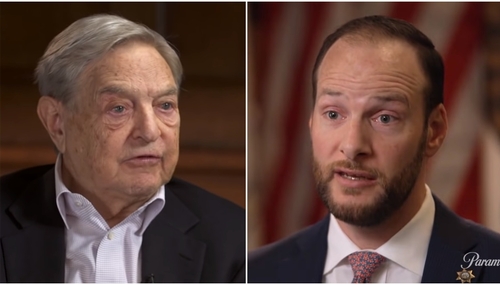
SOROS LOSES BIG: Woke San Francisco DA Chesa Boudin Gets Booted
San Francisco's infamously woke District Attorney lost his recall election and even The New York Times couldn’t avoid kicking him on his way out the door.
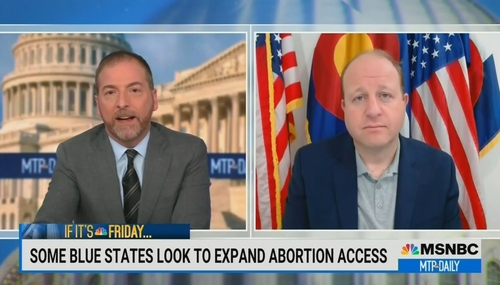
Todd Is Confused By Federalism, Lets Polis Compare DeSantis to Putin
MTP Daily might be on its last legs on MSNBC, but before the show goes exclusively to NBC News Now, host Chuck Todd will still be spreading liberal narratives on cable. On Friday, that included an interview with Colorado Gov. Jared Polis, where Todd was confused by basic civics of how federalism works and refusing to fact check Polis when he alleged that Florida Gov. Ron DeSantis is…
Lessons from Venezuela
Democrats say President Joe Biden won "a strong mandate." His government can do all sorts of good things! I don't believe he has a mandate, but thanks to the selfishness of former President Donald Trump, Democrats control Congress, and that may give them power to shove their worst ideas down our throats. Those include: No. 1: Hate speech laws, No. 2: Expanding the Supreme Court, No. 3: Gun…
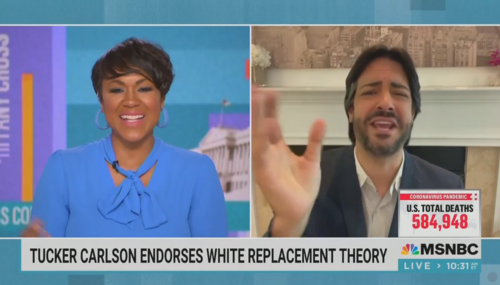
MSNBC Contributor: I Have to Wipe 'Stink' of Tucker Carlson Out of Air
Back in 2006, when Venezuela's communist dictator Hugo Chavez took the UN podium, he claimed, in an allusion to the Devil, to still smell the "sulphur" from the previous day, when then-President George W. Bush had spoken. In a reprise of Chavez's clownish act, MSNBC contributor Fernand Amandi, after viewing a Tucker Carlson clip that Tiffany Cross ran on her MSNBC show this morning,…
NY Times Shows Hypocrisy on Race, Hugo Chavez, and Maxine Waters
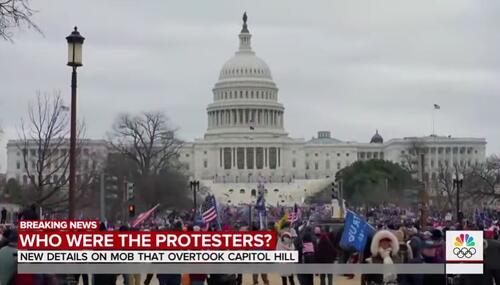
The inexcusable rioting and looting in the halls and floors of the U.S. Congress this week has cast a shameful pall over the country. But the New York Times often went beyond justifiably calling out the rioters and those who egged them on. The paper overreached, making accusations of racial favoritism among police and alleging a double standard on riots, while ignoring liberal…
SICK MSNBC Argues With Venezuelan-Americans That Trump = Chavez
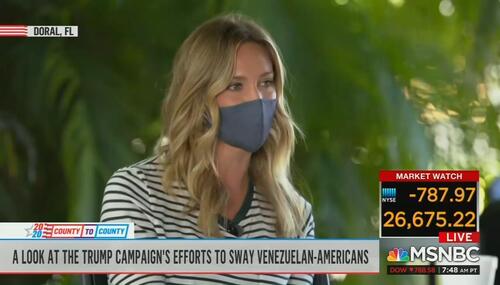
According to MSNBC's Ellison Barber, the Trump campaign's appeal to Venezuelan-American voters in Florida warning of socialism is working, which naturally led her to interview two Trump supporters for Wednesday's MSNBC Live and argue that Trump is the one who is more like former socialist dictator Hugo Chavez.