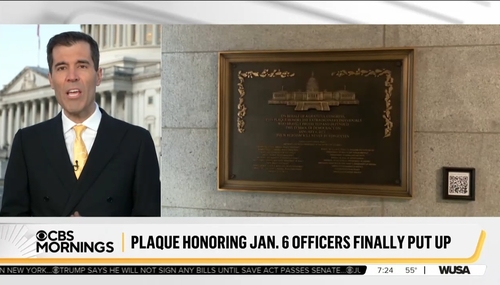
Crazy-Ex Scotty: January 6-Obsessed Correspondent MacFarlane Quits CBS
CBS correspondent Scott MacFarlane revealed shortly after Monday’s CBS Mornings that he was quitting the network in order to embrace “independence” and seek out “new spaces to share my work in line with my personal goals,” which will almost certainly include the one thing MacFarlane loves more than just about anything in a weird, crazy-ex-girlfriend manner: January 6.

5 AI Chatbots Underestimate US Free Speech Protections in Rankings
Free speech in Europe is under scrutiny as governments like the U.K., France, and Germany continue to arrest citizens for speech-related offenses. AI chatbots, including ChatGPT and Google’s Gemini, excluded the U.S. from top-10 lists of nations with strong free speech protections, valuing European countries for more restrictive speech laws. Only Elon Musk’s xAI Grok ranked the U.S. as number…
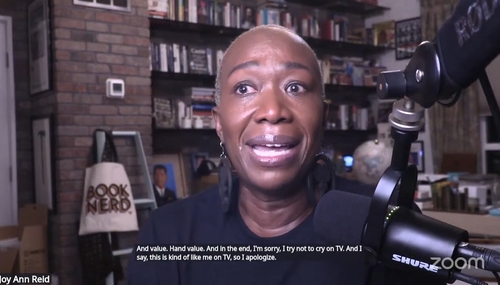
‘My Show Had Value’; Tearful Joy Reid Speaks Out After Being Fired
In a Zoom call with far-left African-American activists, Joy Reid tearfully spoke out about losing her (second) MSNBC show that was first rumored Friday night and confirmed Sunday, saying her “heart is so full” from support and belief that “my show had value” and “what I was doing had value.” She also went down the laundry list of far-left positions she’s held, but framed her show (which was…
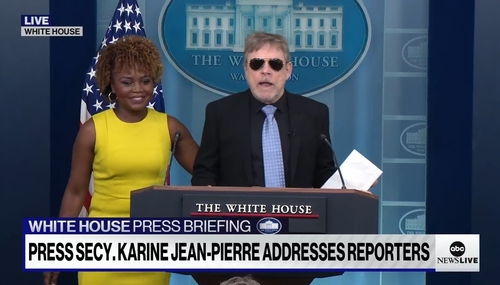
ICYMI: Hamill Derails WH Briefing, Doocy Battles KJP on Alma Mater
Friday’s White House press briefing began with a distinct 2016 vibe as the Biden administration demanded it be taken seriously on the reelection front with Star Wars actor Mark Hamill surprising reporters ahead of May 4 (aka May the Fourth Be With You!) and a few dutifully complied by asking him questions despite the fact that, as we’d later learn, one hasn’t seen any of the movies. …
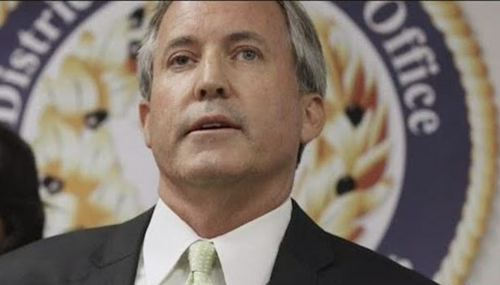
Texas AG Paxton Sues State Dep’t for Dystopian Censorship Conspiracy
Texas Attorney General Ken Paxton is suing the United States State Department for conspiring to silence conservative media publications.
Federal Judge Rules on Montana’s Landmark Law Banning TikTok
A federal judge has ruled on the case of Montana’s landmark law banning Communist Chinese government-tied TikTok.

BOMBSHELL REPORT: Biden Admin Pressured YouTube to Censor Americans
Rep. Jim Jordan (R-OH) released new internal files from Google obtained by the House Judiciary Committee that reportedly show that the Biden administration purposefully censored American citizens.
Damning New Files Reveal Gov’t Efforts to Spy on, Silence Speech
New files reviewed by independent journalists Matt Taibbi and Michael Shellenberger reveal that data scientists and defense and intelligence veterans allegedly conspired to censor Americans via an “‘anti-disinformation’” group called the Cyber Threat Intelligence League (CTIL).
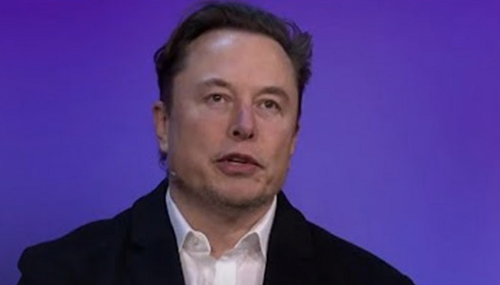
Musk Takes Stand Against ‘Extreme Violence,’ Anti-Semitism on X
Billionaire Elon Musk says “X,” formerly known as Twitter, will suspend any user who calls for the genocide of Jewsish communities.
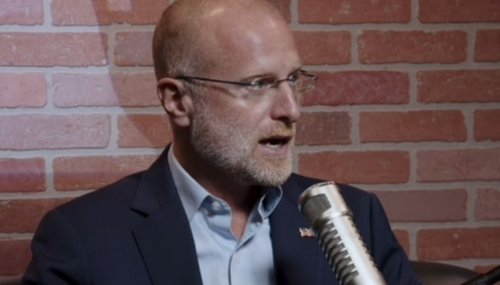
FCC’s Carr SLAMS Biden Plan to Seize ‘Effective Control’ of Internet
Federal Communications Commission Commissioner Brendan Carr warned that President Joe Biden’s plan for internet services is just another attempt to give the administrative state more control over the lives of everyday Americans.
New Twitter Files Show Twitter Knew Truth About Russia-Gate Hoax
A new Twitter Files report shows that Twitter executives knew the Russia-gate hoax was bunk and accuses one of the organizations pedaling the Russian election interference narrative of meddling in the Alabama elections.

NewsGuard HAMMERED in Lawsuit Asserting Damning Pentagon Allegations
MRC Free Speech America has exposed NewsGuard for its rank bias in favor of the left, but a new lawsuit reveals more information about an alleged conspiracy between the flawed media ratings firm and the Pentagon to censor speech online.

Ex-ChatGPT Researcher: AI Has One-in-Four Chance of Destroying Humans
A tech executive raised the alarm about the potential dangers of artificial intelligence.