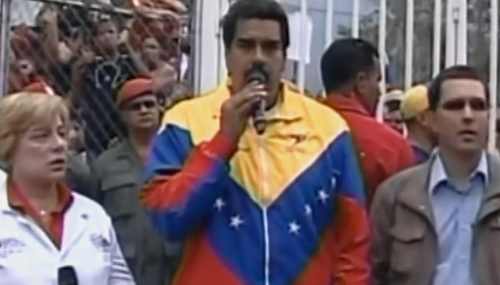
PBS Doc On Venezuelan Crisis Omits Any Reference To Socialism
PBS’s Tuesday Frontline documentary on Venezuela sought to highlight the series of events that led to the January capture of Nicolas Maduro. Naturally, that meant focusing in on Maduro’s corrupt and authoritarian rule, but there was one word noticeably absent from the history lesson: socialism.
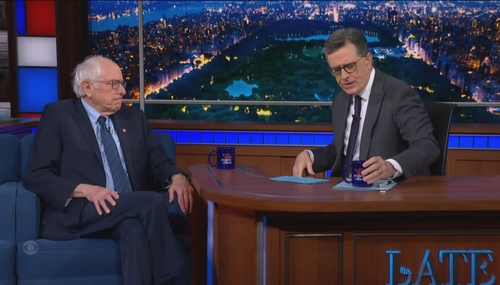
Colbert Hosts Sanders For a Four-Segment Long Softball Interview
CBS’s Stephen Colbert welcomed Sen. Bernie Sanders to The Late Show for the nineteenth and hopefully final time on Tuesday for an obnoxiously long, four-segment softball interview covering everything from Colbert’s employer to Venezuela to Minnesota to socialism.
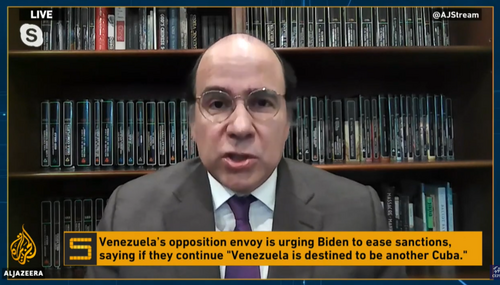
NY Times Hosts Soros-Tied Expert to Slam Trump's Post-Maduro Plans
It seems like the upper echelon of New York Times leadership understands that disclosing the explicit leftist biases of its sources has the potential to undermine the entire credibility of the newspaper’s anti-Trump mudslinging.
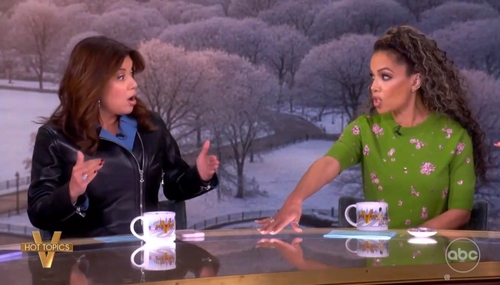
Navarro Confronts Hostin on Maduro Support: 'Return Him to Venezuela?'
Sparks flew on Friday’s (pre-recorded) episode of The View as ABC co-host Ana Navarro called out co-host Sunny Hostin for her support of Venezuelan dictator Nicolas Maduro. All week, Hostin was proclaiming that America’s arrest of Maduro was “illegal” and “unlawful.” Since Navarro wasn’t on the show for most of the week, it was her first chance to counter, demanding to know if Hostin’…
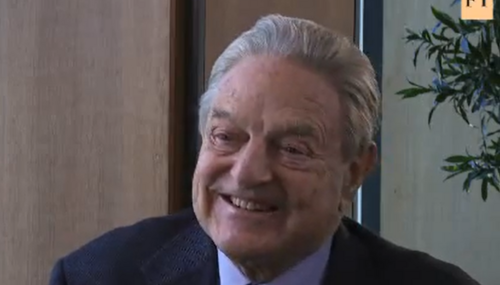
NARCO SIMPS: Soros-Funded Group Laments 'Kidnapped' Nicolás Maduro
Leave it to an insane, radical group funded by leftist billionaire George Soros to make a narco-terrorist dictator out to be the victim and President Donald Trump out to be the arch-villain. Public Citizen -- which has taken over $6 million from Soros -- lamented the "kidnapping" of "Venezuela's president" Nicolas Maduro.
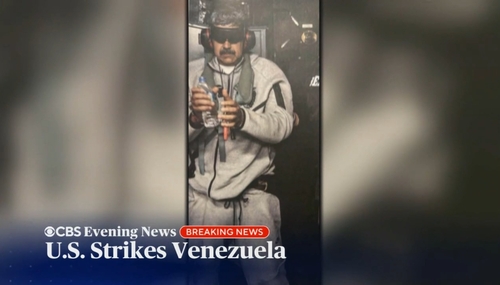
The Dividends of Operation Absolute Resolve
One great irony is that deposed Venezuelan socialist despot Nicolás Maduro sits in jail in New York City, where a new socialist mayor, inaugurated a few days ago, extols the “warmth of collectivism” rather than the “frigidity of rugged individualism.” No warm, cuddly collectivist has ever, nor will ever, perform a mission like rugged American individualists just pulled off in Venezuela,…
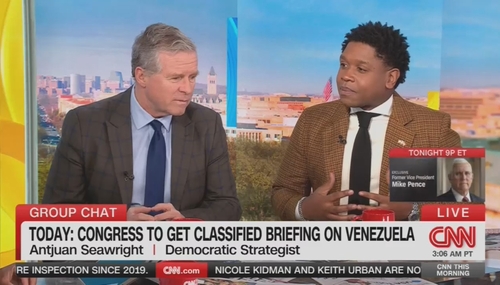
CNN—Trump Foreign Policy Shows He's Not Planning To Leave White House!
On CNN This Morning, Democrat strategist Antjuan Seawright says: "I don't think this is the posture of someone who's planning to leave the White House in three years because he's been very aggressive about his foreign policy approach and taking over countries."
NY Times Headlines Sulk Over Trump's Successful Snatching of Maduro
The Trump Administration’s shockingly successful removal of Venezuelan dictator Nicolas Maduro (captured and flown out of Caracas on Saturday morning to face trial for drug trafficking in New York City) was greeted with sulky attitudes in a mainstream press unwilling to credit Trump for a move that may well drastically improve the lives of millions of Venezuelans. The New York Times…
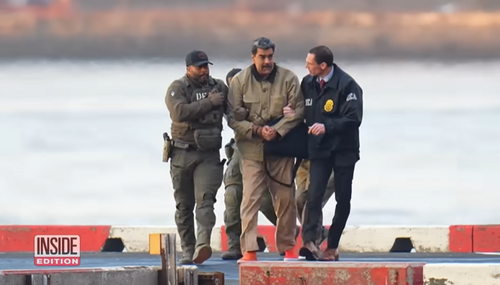
HUH? USA Today Whines Trump Maduro Capture Means He's Ignoring Economy
Apparently, the ignoramuses at USA Today thought it was brilliant strategy to whine that President Trump deposing a narco-terrorist dictator—who runs an oil-rich state and has been flooding America with deadly drugs—somehow means he's ignoring the economy.
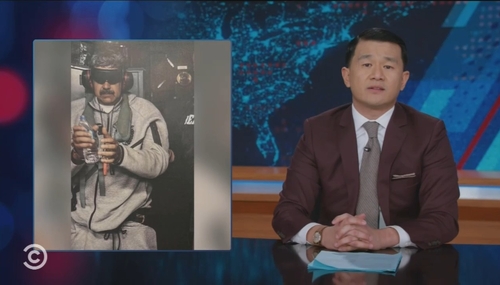
Chieng Claims Americans Are Being Told 'They Are Now The Evil Empire'
Comedy Central’s Ronny Chieng is The Daily Show’s first host-of-the-week for 2026, and he got off to a rough start on Tuesday when he declared that in the aftermath of the capture of Nicolas Maduro that the American people are being told that “they are now the Evil Empire.”

CBS Is the Only Newscast to Report On Venezuela's ‘Colectivo' Goons
In the immediate aftermath of the capture and extradition of strongman Nicolas Maduro and his wife, the situation on the ground in Venezuela has become increasingly complicated. Only one network has accurately reported on the marauding pro-regime goon squad whose mission is to terrorize everyday citizens into compliance with the regime.
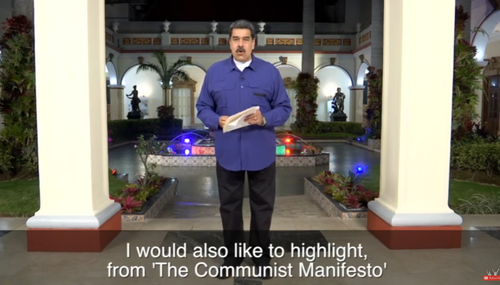
NY Times Moronically Blamed 'Brutal Capitalism' for Venezuelan Demise
Normal people are breathing a sigh of relief that narco-terrorist leader Nicolás Maduro is finally getting his just desserts for getting fat off of the torture of his citizens and funneling drugs into the U.S. for years. For MRC, it’s a moment worth recalling when the idiotas at The New York Times made their readers dumber by blaming anything but communism and socialism for…
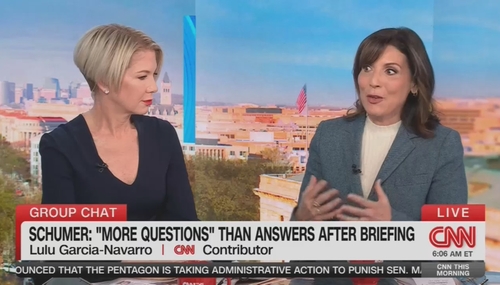
CNN Contributor Blames US For 'Increased Repression' In Venezuela
On CNN This Morning, CNN contributor Lulu Garcia-Navarro, formerly of NPR, claims that the US operation in Venezuela resulting in the removal of the dictator Nicolas Maduro has caused "increased repression" in that country.
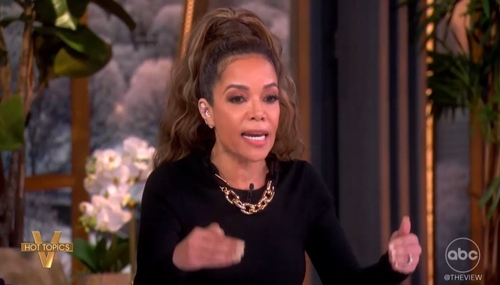
Sunny Hostin Defends Dictator Maduro, Should Have Remained in Power
Tuesday was day two of The View’s meltdown over President Trump arresting Venezuelan dictator Nicolas Maduro and extraditing him to the U.S. This time however, co-host Sunny Hostin amped up her rhetoric from the previous day and argued that Maduro should have remained in power because his removal supposedly wasn’t done the “right” way. It was also Joy Behar’s first day back since…