In Lebanon War, NPR Ignores Hezbollah Terror Ties, Blames Israel First
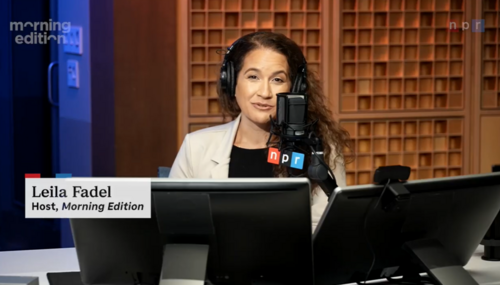
On April 3, National Public Radio’s own “public editor” admitted the network had ignored Jewish voices after the nearly deadly attack on a synagogue in Michigan, while sympathetically promoting Hezbollah voices of families killed by Israeli strikes in Lebanon, as if that would in any way justify the attack. It’s part of a pattern of NPR's regional coverage. NPR’s Leila Fadel talked to Dr.…
NPR Devolves Into Video Podcasting with Suckup Wes Moore Interview
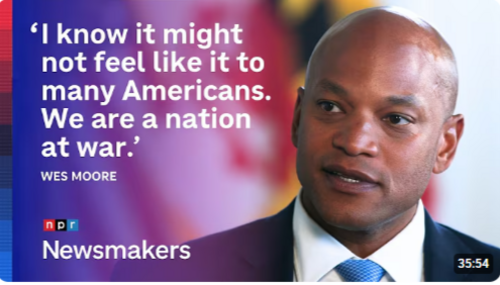
National “Public” Radio announced a formal move into video with a new video podcast called NPR Newsmakers. The NPR YouTube page has been doing plenty of these half-hour “deep dives” in recent months, most noticeably with Democrat politicians who are pondering a run for president in 2028.

NPR Sounds Like a Platform for Illegal Immigrants in Austin, Texas
We've demonstrated how PBS and reporters like Minnesota-based Fred de Sam Lazaro sound like lobbyists for illegal immigrants. The same thing is happening at National “Public” Radio. A story from Austin, Texas focused on cranky leftists who want local officials to resist ICE harder.
NPR Morning Host Cues Whitmer to Spread Fear of DHS Election Meddling
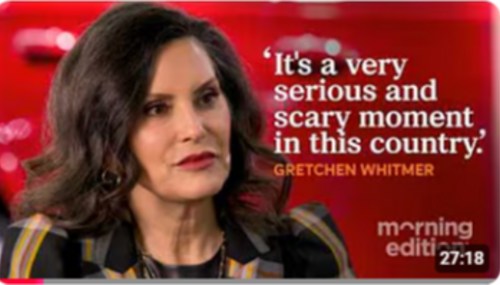
NPR Morning Edition host Steve Inskeep is bringing his long-standing Obama-polishing interview style to the early contenders for the 2028 Democratic presidential nomination. Michigan Gov. Gretchen Whitmer is the latest beneficiary, after Illinois Gov. J.B. Pritzker and former Transportation Secretary Pete Buttigieg. The primary subject was, inevitably, Donald Trump as a threat to…
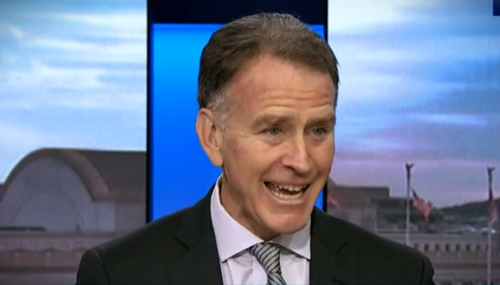
NPR Anchor Inskeep: Much Evidence of Our Liberal Bias Is 'Imaginary'
As you should expect, NPR Morning Edition anchor Steve Inskeep is a cheerleader for his “news” network. On his Substack page came a titled “Public radio may be stronger in 2026.” He claimed "The fact-free hypothesis of NPR’s partisan critics was that NPR lost audience in the early 2020’s because it was too woke... much of the 'evidence' of bias was imaginary."
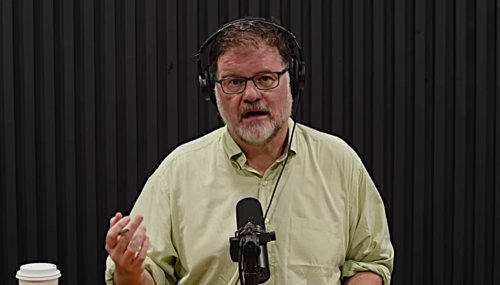
NPR Nudges Jonah Goldberg: Trump Is Cheney's 'Frankenstein Monster'
As part of their breaking-news coverage of Dick Cheney's death, NPR's Morning Edition turned to Jonah Goldberg. Anchor Steve Inskeep had to make it about Trump. Goldberg said Cheney must have felt that Trump was "a little bit like a Frankenstein's monster," running roughshod over his arguments for an energetic executive branch and a muscular military.
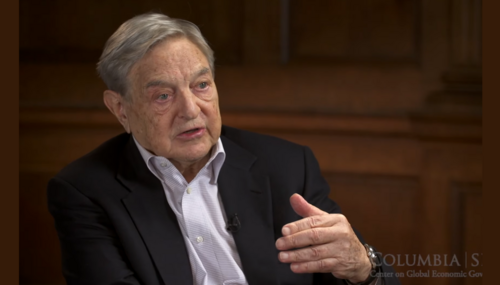
NPR Gives Soros Exec a Platform to Dance Around Pro-Terrorism Funding
The hacks at NPR gave the leftist fanatics at George Soros’s multibillion-dollar Open Society Foundations a platform to play the victim after a new report exposed it for financially backing pro-terrorism groups.
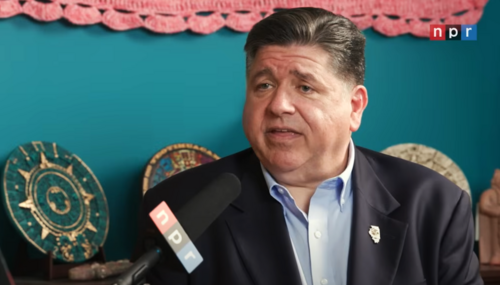
NPR Host Lets Big Pritzker Slam Trump's 'Racist Ends' with Nazi Smears
On Wednesday’s Morning Edition (hours before Charlie Kirk’s assassination), co-host Steve Inskeep conducted a puffball interview with Illinois Gov. J.B. Pritzker, allowing the Democrat to trash Trump as a horrible racist breaking all the laws.
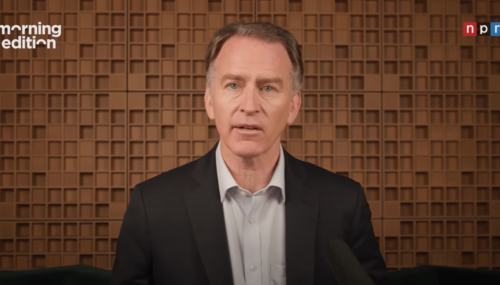
NPR’s Morning Edition Does Democrats’ Positive Rebranding for Them
On NPR’s Morning Edition Thursday, host Steve Inskeep, alongside reporter Stephen Fowler, discussed what the future of the Democratic Party would look like following an interview with Former Secretary of Transportation Pete Buttigieg. It should come as no surprise that Inskeep, who hosted the softball interview, was all in on the idea that Democrats need to rebrand before the…
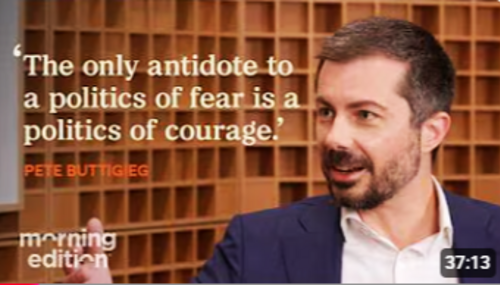
NPR Offers a Puffy Platform for Mayor Pete, Unlike Their Bannon Banter
On Wednesday’s Morning Edition, NPR host Steve Inskeep interviewed potential 2028 presidential candidate Pete Buttigieg. The tone was chummy, with questions asking how Democrats can tweak their tactics and win elections. That's not like an earlier interview with MAGA strategist Steve Bannon, which was much more contentious.

NPR's Inskeep Finds It 'Interesting' GOP Doesn't Complain About Fox
NPR Morning Edition host Steve Inskeep joined Semafor’s Mixed Signals podcast hosts Max Tani and Ben Smith last Friday to discuss the current battle over NPR’s public funding. There were several puzzling claims made throughout, including claims that Fox’s personnel decisions and Hunter Biden laptop coverage are analogous to NPR’s.
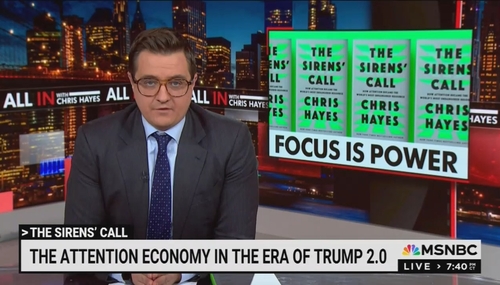
NPR Helps MSNBC's Chris Hayes Trash Trump, 'Attention Capitalism'
NPR doesn't exist to promote books by Fox News hosts, but they're an easy mark for MSNBC personalities. Rachel Maddow count on it. On January 27, Morning Edition host Steve Inskeep awarded seven minutes to All In host Chris Hayes to promote his new book The Sirens' Call, mourning "the assault of attention capitalism."
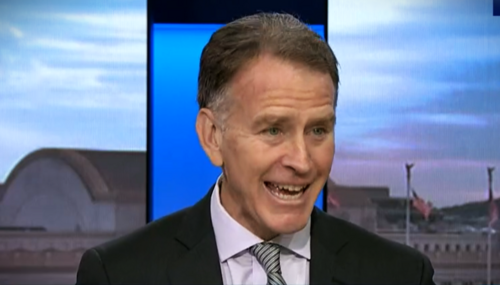
Column: NPR Morning Star Lamely Swats at Their Suspended Dissident
National Public Radio senior editor Uri Berliner has been suspended for his unauthorized critique of the insular liberal bias of his network. NPR star and Morning Edition host Steve Inskeep took to his Substack blog to slam Berliner’s article as “filled with errors and omissions.” Inskeep did a lot of omitting himself.
NPR Anchor Finds GOP Veteran to Trash Conservatives as 'Post-Policy'
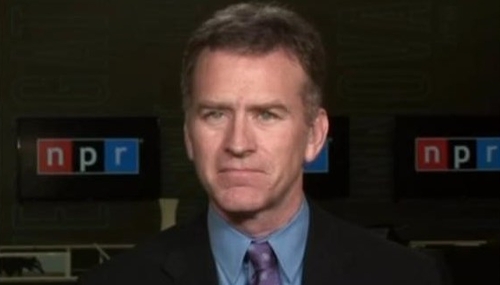
We know about CNN Republicans and MSNBC Republicans, but there are also NPR Republicans. Brendan Buck, a former aide to Speakers John Boehner and Paul Ryan, is a semi-regular pundit on Meet the Press. On Thursday, Morning Edition anchor Steve Inskeep kept asking Buck to describe Republicans as insincere extremists who don't want to govern. Buck played right along, calling…