Conservatism-Basher Faults NYT for ‘Mostly Peaceful' Riot Coverage
September 1st, 2025 8:15 AM
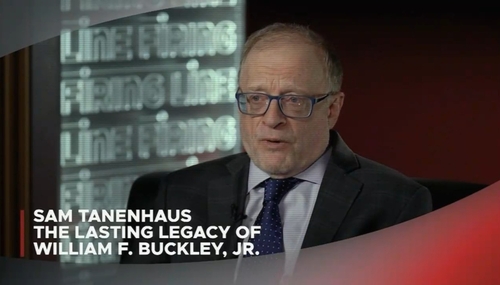
Six minutes into the newest episode of PBS’s weekly public affairs show Firing Line came a surprising admission from guest Sam Tanenhaus, whose 1,000-page authorized biography of conservative icon William F. Buckley has been published after a long gestation period. Buckley, who died in 2008, famously founded and hosted Firing Line between 1966 and 1999. The program was…

Preposterous: WashPost Promotes Idea of Sanders, 'Reagan of the Left'
March 8th, 2020 11:57 AM
Sunday's Washington Post Outlook section carried a preposterous article by Sam Tanenhaus, the former editor of The New York Times Book Review. It tried to suggest Bernie Sanders was a lot like Ronald Reagan, a "Reagan of the left." Why pick this man to try this lame thesis? This is the same Tanenhaus who wrote a book predicting The Death of Conservatism in 2009.
Tanenhaus Uses Shoddy Hit-Book to Further His Crusade Vs Racist Right
July 5th, 2017 9:38 AM
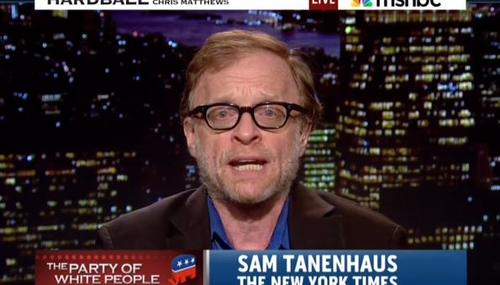
Journalist Sam Tanenhaus, who fancies himself an expert on the conservative movement (without actual evidence of such expertise), has a review of a shoddy attack book on the conservative movement by Duke University scholar Nancy MacLean, Democracy in Chains: The Deep History of the Radical Right’s Stealth Plan for America. Many fatal flaws in the book have been spotted by conservative journalists…
NYT's Sam Tanenhaus Uses Book Review to Slime Racist GOP
June 28th, 2016 8:54 AM
The New York Times Sunday Book Review featured former book editor Sam Tanenhaus talking about several news political tomes under the rubric “Why Populism Now?” And when we say “talking about,” we mean using the books as a pretext to slime Republicans as demographically doomed, out-of-touch racists. Also: Libertarians give you cancer.

NY Times Book Review Explores 'Right-Wing Dallas' as 'Nut Country'
December 21st, 2015 1:51 PM
While The New York Times Book Review ignores books by conservatives from David Limbaugh to Mark Levin, they analyze conservatism by going to Sam Tanenhaus, who edited the Book Review from 2004 to 2013. One small problem: He wrote a book issued in 2009 predicting The Death of Conservatism. Tanenhaus proclaimed today's conservative movement was like "the exhumed figures of Pompeii, trapped in…
NPR Looks Back at Goldwater's 1964 Convention of 'Cavemen' Applauding
July 11th, 2014 8:13 AM
NPR got in the spirit of anniversaries on Thursday night’s All Things Considered by recalling the 1964 Republican convention in San Francisco. For analysis, they turned to.....New York Times Magazine contributor Sam Tanenhaus, whose lack of political insight was proven by his 2009 book The Death of Conservatism (broadened from a 2009 New Republic essay titled "Conservatism Is Dead.") Oopsy…

Sam Tanenhaus Issues Another Smug Takedown of GOP on Cover of New York
July 6th, 2014 12:45 PM
Sam Tanenhaus's 6,300-word cover story for the New York Times' Sunday Magazine, "Can the G.O.P. Be a Party of Ideas?" is marinated in the same superior smugness that distorted his 2009 hit-piece book on the conservative movement.
Tanenhaus, currently a "writer-at-large" for the Times, is still hailed in liberal circles as an expert on the conservative movement, even though his slim, slanted…
National Review Eviscerates Racist Smears of Conservatives by NY Times
March 13th, 2013 4:44 PM
National Review magazine has published an excellent and comprehensive response to New York Times Book Editor Sam Tanenhaus's dishonest smear of conservative thought in a cover story for The New Republic. The article by National Review contributors Ramesh Ponnuru and Jonah Goldberg appears in the March 25 issue.
After first explaining that for the left, "The explanation for conservatives’…
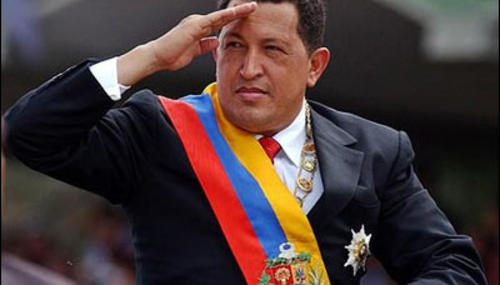
Liberal MSNBC Panel: GOP Gubernatorial Candidate Cuccinelli 'a Troglo
March 5th, 2013 3:19 PM
In what appears to be a daily theme on MSNBC, the liberal network seems to find new ways to smear the Republican Party. The latest example from the liberal network was on the March 5 Now w/ Alex Wagner on March 5, when the all-liberal panel took to smearing Attorney General Ken Cuccinelli (R-Va.) on his bid to be the next Governor of the Commonwealth.
The liberal panel, including host and…
Classy Krugman: NYT Book Review Editor Sam Tanenhaus 'Very Much a Neoc
June 11th, 2012 4:28 PM
Thin-skinned New York Times columnist Paul Krugman spoke at the left-wing Netroots Nation conference held in Providence, R.I. this weekend (a fact overlooked in his own paper's story). In his Saturday morning talk, Krugman displayed his usual class and charm by calling Times Book Review editor Sam Tanenhaus "very much a noecon," a slur in Krugman's liberal circles, for allegedly assigning an…
Smugfest: NYTimes Editor Tanenhaus, Joe Klein Tag-Team to Condescendin
May 22nd, 2012 2:49 PM
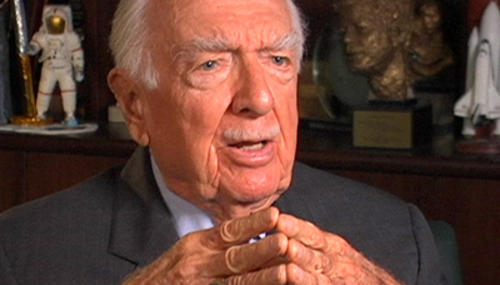
Not content with letting partisan liberal journalist Joe Klein review "radical Republican" Jonah Goldberg's new book The Tyranny of Clichés, the May 18 edition of the paper's Book Review podcast opened with book editor Sam Tanenahus talking with Klein about his hostile Times book review. Tanenhaus (pictured), author of a little screed called The Death of Conservatism that was discredited within…
NYTimes Assigns Condescending Hit Piece on Jonah Goldberg's 'Infantile
May 22nd, 2012 12:14 PM
Surprising no one, the New York Times handed its review of Jonah Goldberg's new book, The Tyranny of Clichés, to a political enemy, Time Magazine political columnist Joe Klein (pictured), which he did under the loaded headline "Hating Liberals." The paper similarly handed its review of Goldberg's previous book, 2007's Liberal Fascism, to unsympathetic history professor David Oshinsky.
Klein…
Selling Socialism: The Media's Campaign for ObamaCare
March 21st, 2012 10:00 AM
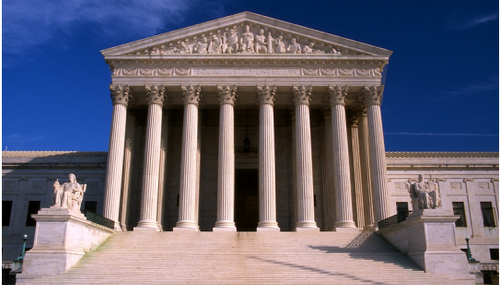
Next week, the Supreme Court will hear arguments on the constitutionality of ObamaCare, but if the media were the judges, the Court would rule 9-0 in favor of it. During its coverage of the health care debate, the liberal press never permitted questions about ObamaCare’s legality to interfere with their dream of a government takeover of the health care sector.
Starting even before Barack…
Why Would a Guy Who Forecast 'Death of Conservatism' Be Time's Designa
February 11th, 2012 8:03 AM
Time magazine decided to publish a symposium on "What Is a Conservative?" in its February 13 edition employing "voices of -- and experts on -- the right," including Erick Erickson, Rich Lowry, Ramesh Ponnuru, Ann Coulter, Grover Norquist, Pete Wehner, and libertarian Nick Gillespie. The obvious non-conservative "expert" in this group is Sam Tanenhaus, editor of the New York Times Book Review.…