NPR Boosts Pro-Abortion Group's Blitz For Hillary Clinton
October 6th, 2016 9:19 PM
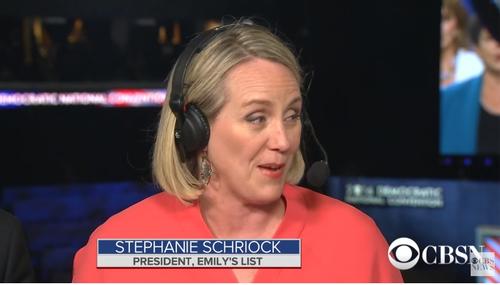
NPR's Morning Edition on Thursday donated four minutes of air time to pro-abortion group EMILY's List, and helped it promote its ad blitz to elect Hillary Clinton and other left-wing Democrats. Renee Montagne played a clip from one of the organization's ads, and gave its president, Stephanie Schriock, a platform to hype Mrs. Clinton as a "a champion for women and families."
NPR Hyped Trump Denying WashPost Credentials, Ignored Dems Doing Same
June 16th, 2016 3:43 PM
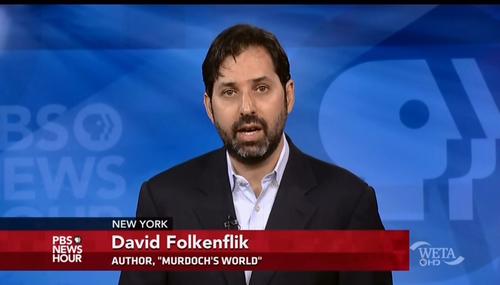
NPR media correspondent David Folkenflik slammed Donald Trump as a crybaby who can't handle rude press coverage in a Tuesday interview on Morning Edition dedicated to Trump denying press credentials to The Washington Post.
Midway through the interview, when asked if Trump had a point about the tone or quality or the Post’s coverage, Folkenflik snidely said “Well, boo hoo” to the presumptive…
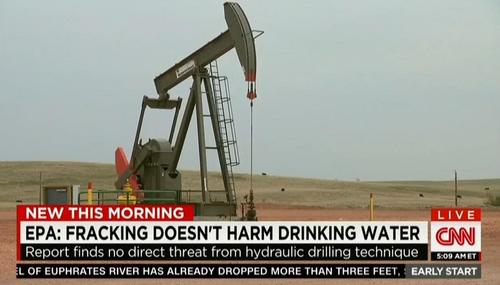
Even Liberal NPR Covers EPA Fracking Study as ABC, NBC Punt
June 5th, 2015 6:21 PM
NPR's Morning Edition on Friday actually covered the EPA's new report that found that fracking for oil and natural gas "has not caused widespread pollution in drinking water," as host Renee Montagne put it. The liberal public radio network's report came as ABC and NBC maintained their blackout on the study on their morning and evening newscasts.
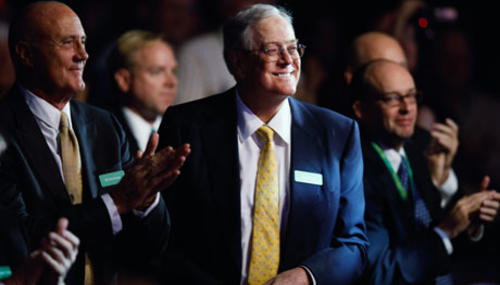
NPR Reporter Declares: 'Ready or Not, ObamaCare Rolls out as Planned
October 7th, 2013 12:23 AM
During the Friday episode of National Public Radio's Morning Edition, co-host Renee Montagne stated that the past several days had been “a charged week at the Capitol,” which led fellow co-host David Greene to declare: “Still, ObamaCare rolled out as planned.”
Millions of people have shopped for insurance on the new marketplaces called exchanges since opening day on Tuesday, they noted.…
NPR Pressed to Correct False Rape-and-Pregnancy Story by Daily Beast B
September 6th, 2013 2:05 PM
Washington Post media blogger Erik Wemple recalled Daily Beast boss Tina Brown hate-tweeting her former Washington bureau chief Howard Kurtz: “am I forgetting something or didn’t I fire you for serial inaccuracy?”
“That was a bit of classlessness that simply wasn’t going to go unpunished,” Wemple wrote. “And now the journalism gods have spoken, via a correction that is available on NPR.” On…

NPR's 'Non-Partisan' Talking Head Served in the Obama and Clinton Admi
August 19th, 2013 6:14 PM
On Monday's Morning Edition on NPR, Minnesota Public Radio correspondent Elizabeth Stawicki featured Karen Pollitz of the Kaiser Family Foundation during a report about ObamaCare, but failed to mention the left-leaning political affiliation of the organization. Stawicki merely labeled the foundation "non-partisan".
The public radio journalist also failed to mention that Pollitz is an alumna…
High NPR Star Salaries Curb the Appeal of Small-Dollar Donations
July 23rd, 2013 8:25 PM
The next time a public-radio station goes into pledge-drive mode and begs listeners to chip in $100 for those snazzy premiums like the Nina Totin'-Bag, it would be wonderful if, in the spirit of balance and fairness, they would read off some salary numbers for NPR stars. Do people on modest incomes really want to chip in $25 to make sure an anchor can take home $375,000?
Instead, pledge-drive…

NPR Ballyhoos Sequester's 'Definite Minuses', Potential 'Bigger Negati
June 3rd, 2013 6:48 PM
The Wall Street Journal's David Wessel channeled the Obama administration's doom and gloom about the sequester on NPR's Morning Edition on Monday. Host Renee Montagne turned to Wessel to give a "reality check" on the sequester's current and future economic impact. The journalist cited how unnamed "economic forecasters...say they're worried that the effects of this spending restraint may have…
NPR Touts Leftist Groups' Protest of Israeli Company SodaStream
February 4th, 2013 6:01 PM
On Monday's Morning Edition, NPR's Larry Abramson boosted an "international boycott movement" against Israeli company SodaStream without mentioning the left-wing ideology of the organizations behind the protest. Abramson merely described the boycott organizers as "supporters of Palestinian rights."
The correspondent featured a soundbite of a December 2012 anti-SodaStream protest in Boston,…
NPR Boosts 'Fireproof' Hillary's Possible 2016 Run; Two Clinton Associ
February 1st, 2013 5:55 PM
Mara Liasson hyped Hillary Clinton as "the most popular politician in the country" on Friday's Morning Edition on NPR. Liasson asserted that "there's no question that being out of politics for four years has enhanced her political reputation," and devoted her report to touting how the supposedly "fireproof" Mrs. Clinton's experience as secretary of state would make her a "field-clearing…
NPR Ignores Obama Super PAC's Cancer Death Ad; 'Truth Squadding' Romne
August 8th, 2012 6:49 PM
On Wednesday's Morning Edition, NPR followed the example of its Big Three counterparts in failing to cover a new ad from a pro-Obama super PAC that points the finger at Mitt Romney for a woman's cancer death. Instead, the liberal radio network sent correspondent Ari Shapiro to "do some truth squadding" about the Romney campaign's latest ad slamming the Obama administration on welfare reform…
NPR's Shameless Plug for Michelle Obama's 'Workout Mix
June 8th, 2012 5:46 AM
Don’t think National Public Radio isn’t on the bandwagon of “state-run media” that run oozy profiles that make the Obamas more “friendly and personable” than the Republicans. On Thursday’s Morning Edition, NPR anchor Renee Montagne shared with the country the First Lady’s “Workout Mix” – since she’s the national fitness nanny.
The three songs recommended weren’t the story – some Beyonce,…

NPR Touts Leftist Campaign Against 'Hardline Conservative Policies
April 5th, 2012 7:00 PM
On Thursday's Morning Edition, NPR's Peter Overby slanted towards a left-wing coalition targeting the conservative group ALEC. Overby trumpeted how Coke and Pepsi succumbed to pressure from the "campaign to put a spotlight on companies that sell products to a public that might object to hardline conservative policies, such as 'stand your ground' laws or requirements that voters show a photo I.D…
NPR Omits Liberal Affiliation of Pro-'All American Muslim' TV Critic
December 13th, 2011 5:56 PM
Tuesday's Morning Edition on NPR slanted toward TLC's controversial "All American Muslim" series by playing sound bites from two who support the reality TV show versus only one opponent. Correspondent Elizabeth Blair also failed to mention that one of the supporters works for the left-leaning Center for American Progress, while clearly identifying the opponent as being from a "conservative"…