NY Times Blames Victim: Israel's Defensive War Made It a Global Pariah
Michael Shear, senior correspondent for the New York Times, made the front page of Sunday’s edition discussing how everyone dislikes Israel for good reason in his “news analysis,” “Today’s Israel: More Secure, More Isolated.” Shear described Israel fighting to win a war it didn’t start in negative terms. "Mr. Netanyahu’s relentless and unapologetic military response to the Oct. 7,…
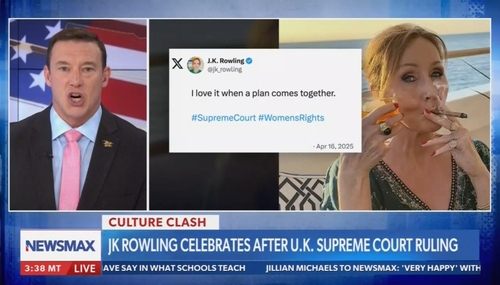
NY Times on UK Transgender Ruling: 'Legal Assault on Trans Rights'
In Friday’s New York Times, White House correspondent Michael Shear was filing from London, as if offering a warning to left-wing trans activists in the United States: The bigots are coming for you too! “U.K. Court Ruling on Trans Women Is Part of Wider Debate on Sex and Gender.” Shear characterized the measured decision by the U.K. Supreme Court with fiery, loaded language: "The…
NY Times Lies About Trump's 'Conspiracy Theory' on Land Confiscation
Saturday’s New York Times included a mild headline, “Trump, Claiming Bias Against Afrikaners, Punishes South Africa.” But the text itself wasn’t nearly so reasonable, falsely accusing Donald Trump and Elon Musk of spreading a “conspiracy theory” (a favorite liberal smear against conservatives) for relaying actual news about a disturbing new law in South Africa. With aid to South…
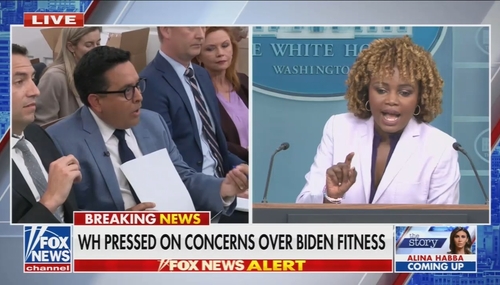
You’re Going to Miss This: 10 More WH Press Briefing Battles From 2024
As the Trace Adkins song goes, you’re going to miss this, you’re going to want this back. Deep down, that’s surely the way at least some feel about the bizarre, entertaining, meandering, only occasionally informative, and stammering White House press briefings in 2024 under Karine Jean-Pierre. With part one having covered 10 moments from January to May, this blog contains the second 10…
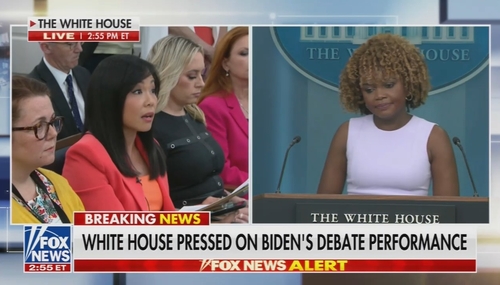
BLOOD IN THE WATER: WH Press Use Briefing to Show It’s Over for Biden
In the first White House press briefing since June 18, the press corps on Tuesday showed in nearly an hour-long marathon of questioning that not only do they smell blood in the water regarding the Joe Biden presidency, but also (at least some) showed cowardice in suddenly pivoting from years of what could be the largest cover-up in U.S. history in Biden’s mental impairment.
Everyone Laugh at Team Biden Hating NYT for Not Being Liberal Enough
In need of a laugh? Check out this unintentionally comical story running 3,850 words from Thursday in Politico about the Biden regime’s apparently disgust with The New York Times: “The Petty Feud Between the NYT and the White House; Biden’s people think they’re ‘entitled.’ The Times says ‘they’re not being realistic.’” In short, Politico’s Eli Stokols revealed the…
Doocy Confronts KJP on Whether Biden Will Debate Trump or Run Scared
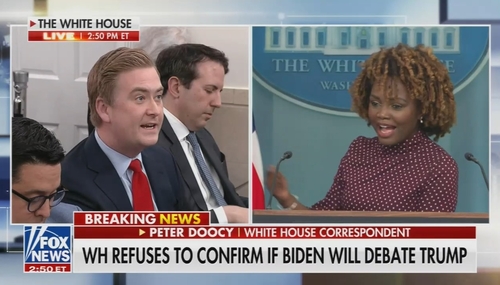
Fox’s Peter Doocy made the most Wednesday afternoon of the last briefing for the week (with Thursday’s State of the Union and President Biden on the road for Friday) as he went around and around with the ever-inept Karine Jean-Pierre over whether Biden will actually debate former President Trump now the general election fight is all but set in stone.
NYT Laments Biden Docs-Fostered Political Woes: 'Worst of All Worlds'
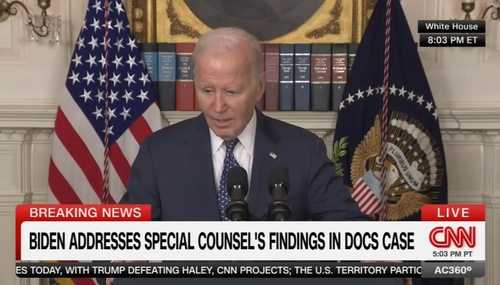
After a busy news day Thursday, a blooming Biden scandal made Friday’s front page via White House correspondent Michael Shear’s “news analysis,” “In Biden’s Exoneration, Political Hazard Emerges,” with the subhead “Prosecutor’s Report on Records Case Cites Memory Lapses.” Shear sounded regretful that special counsel Robert Hur’s report on Biden’s mishandling of classified documents may damage…
Heinrich, Wegmann Grill WH on Border Deal, Iran Killing Americans
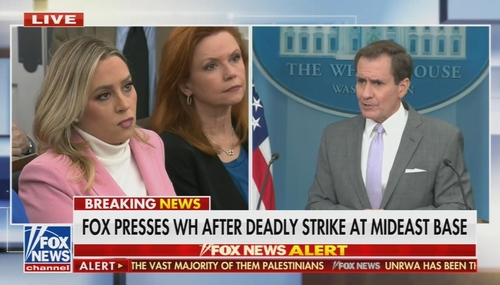
On Monday, the border crisis and Sunday’s Iranian proxy attack that killed three American soldiers dominated the White House press briefing and, amid over a dozen liberal reporters asking process questions on Iran and open-ended questions on the Senate border deal, there were a rare few who actually pressed the administration on their weakness in the Middle East and the border deal that has…
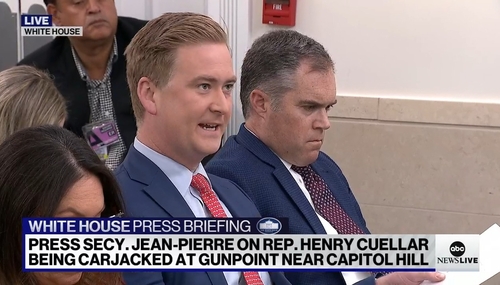
This Again? Doocy Calls Out KJP for Blaming Rising Crime on GOP
On Tuesday afternoon, the Fox News Channel’s Peter Doocy wasn’t having it as the ever-inept White House Press Secretary Karine Jean-Pierre reverted back to a years-long, cartoonish, pants-on-fire fable that Republicans are the true anti-cops, defund-the-police party in light of Monday night’s carjacking of Congressman Henry Cuellar (D-TX) in the Navy Yard section of Washington D.C.
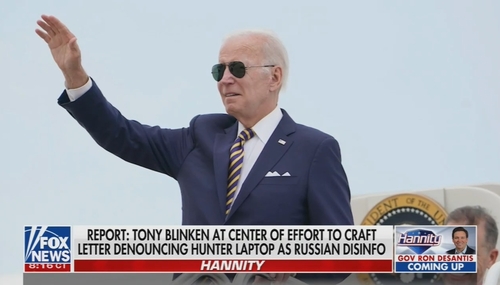
NYT Fact-Checkers Defend Biden From Claims He Hides in His Basement
During Wednesday’s GOP presidential debate, the various reporters at The New York Times assembled to fact-check the various candidates and it did go well as they attacked them everything from “Joe Biden hides in his basement” to Iran to energy to transgenderism.
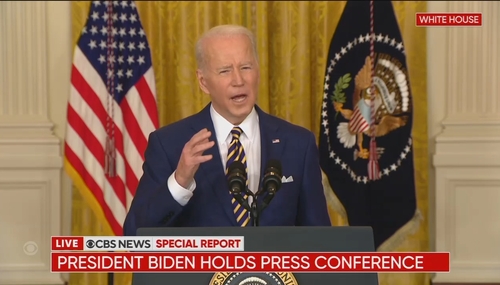
Sad Trombone: NYT Calls Out WH for Hiding Biden from the News Media
In a nearly 1,800-word piece posted Thursday afternoon at The New York Times website (but buried on A-16 of Saturday’s print edition), longtime White House reporter Michael Shear blasted the Biden administration for having “protect[ed]” the President through his first two years in office with only 54 interviews and the fewest press conferences in his first two years since Richard…
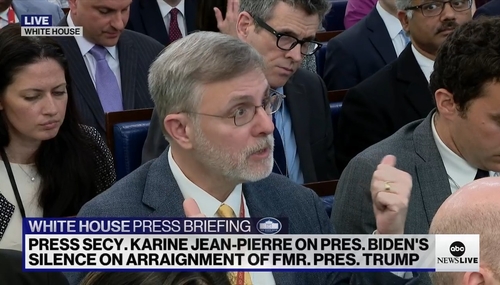
NYT’s Shear Slams KJP on Biden Double Standard About Criminal Probes
During the media-wide prostration over New York City Tuesday for former President Trump’s arrest and arraignment, a White House press briefing took place and reporters such as The New York Times’s Michael Shear called out Jean-Pierre and President Biden for the double standard in refusing to weigh into some but not all criminal probes.
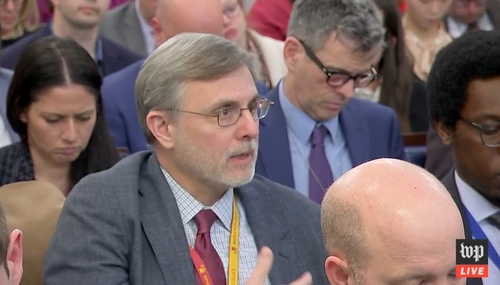
Watch This BRUTAL Line of Questioning to KJP From....The NY Times?!
Monday’s White House press briefing largely revolved around President Biden’s State of the Union preparations and, as part of that, The New York Times’s Michael Shear surprisingly trotted out a brutal line of questioning that pressed the ever-inept Press Secretary Karine Jean-Pierre on the reality that Democrats didn’t win the midterms because President Biden but in spite of him.