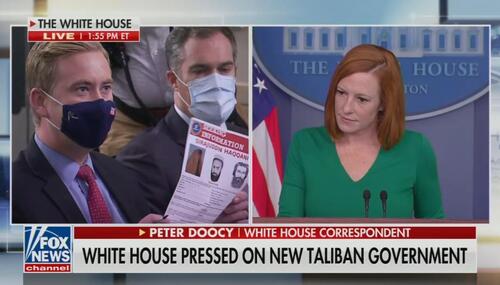
Doocy Goes HARD After Biden WH on Covid Origins, Praising the Taliban
Ahead of President Biden’s early Thursday evening speech calling for more forced vaccinations and touting masks, White House Press Secretary Jen Psaki took to the Briefing Room podium and faced fire from Fox’s Peter Doocy and Real Clear Politics’s Philip Wegmann on Afghanistan and also CBS’s Weijia Jiang and ABC’s Rachel Scott about the sudden change of heart on vaccine mandates.
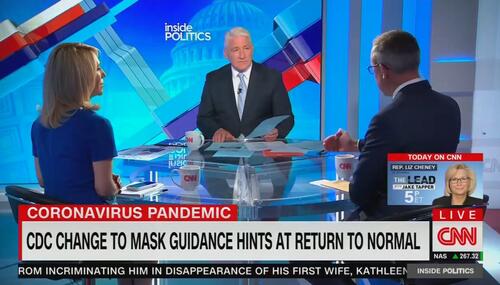
CNN Panics About Dropping Masks for Vaccinated: 'It's Very Scary!'
On CNN's Inside Politics Friday, host John King fretted about the new CDC guidelines with Dana Bash and Jeff Zeleny worrying that vaccinated people do not need to wear masks in most circumstances.
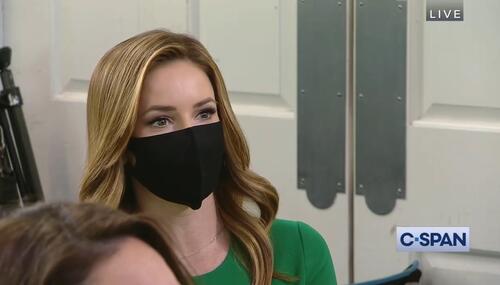
Fisher Grills Psaki on City ONLY Giving In-Person School to Migrants
Making her first White House Briefing Room appearance since her March 17 throwdown with Press Secretary Jen Psaki, Fox News’s Kristin Fisher questioned Psaki on a FoxNews.com exclusive revealing that illegal immigrant children housed at the San Diego Convention Center are being given in-person schooling while actual San Diegans continue to languish in virtual learning.
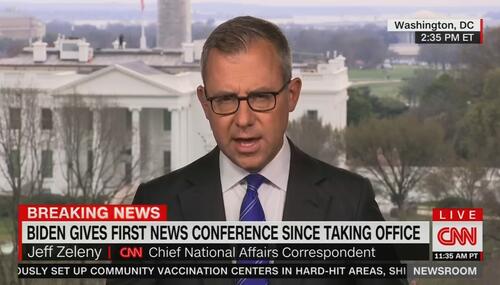
Censor the Press? CNN: ‘Irrelevant’ If Biden Hides Border Debacle
To paraphrase The Washington Post’s motto, democracy dies at CNN? Network correspondent Jeff Zeleny on Thursday wasn't upset with the Biden administration’s blatant refusal to allow press access to their kids in cages debacle at the border. The journalist dismissed as “largely irrelevant” Biden’s comment at a press conference that he can’t let the American people see the mass…

FINALLY: CNN Admits FL Doing Well Under DeSantis’s COVID Leadership
On Wednesday morning, CNN finally highlighted positive reactions to Governor Ron DeSantis's handling of the pandemic after a history of repeatedly dunking on the Florida Republican for not enacting pandemic regulations as strict as some -- mostly on the left -- had wanted.
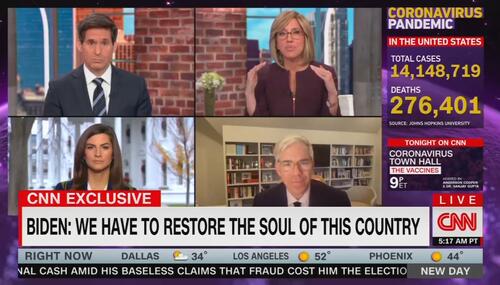
Partisan CNN Abandons Principles to Heap Praise on Biden
There is no other way to describe CNN’s reaction to Joe Biden's softball Thursday interview with anchor Jake Tapper than partisan exaltation. Throughout the course of the 180-minute New Day broadcast on Friday, the leftist network spent nearly 110 of those minutes gushing over the friendly exchange between Tapper, Biden, and Kamala Harris. The partisan hacks had nothing but praise for…

CNN: Those Aren't Biden Gaffes! They Demonstrate His 'Empathy'
CNN sought to pull off an incredible double of pro-Biden partisanship on this morning's New Day. First, by fostering sympathy for the poor guy who may have just been made the most powerful person in the world. Then, somehow transforming his worst traits into wonderful qualities, claiming his gaffes are actually evidence of "empathy."

Partisan CNN Gushes Over 'Upset' Obama Blasting Trump
In two separate segments on Monday morning’s New Day, CNN hosts Alisyn Camerota and John Berman gushed over former President Obama being invited to trash President Trump during a pair of …
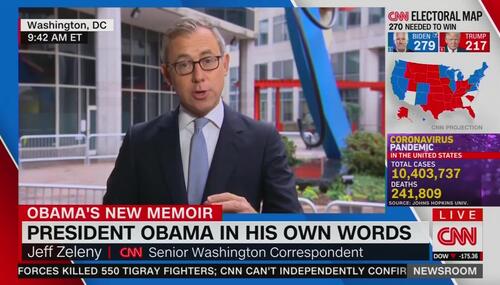
Obama Sycophants at CNN Plug Divisive Memoir Trashing Republicans
This morning CNN journalists let former President Obama take a turn at spewing hate towards President Trump and the millions of Americans who voted for him.
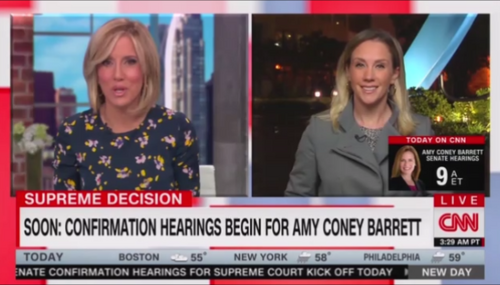
Weird CNN: At Hearings, ACB Will 'Portray' Herself as Mother, Wife
A CNN reporter says that at her confirmation hearings, Amy Coney Barrett will "portray" herself as a mother of seven, as a wife, and as a justice who will be in line with the late, "staunchly-conservative" Justice Antonin Scalia. Reporting from Iowa, CNN reporter Jeff Zeleny interviews a man who says he voted for Trump in 2016, but won't do so now because he finds him "despicable."
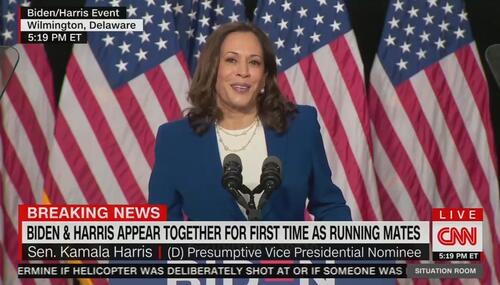
CRAZY CNN: Kamala’s ‘Fantastic’ Speech Came ‘From the Mountaintop’
On Wednesday’s Situation Room, CNN analysts, hosts, and reporters debased themselves and reminded us of their embarrassing, shameless, sophomoric, and unserious operation with their reactions to Kamala Harris’s “beautiful,” “conversational,” “fantastic,” and “warm” speech that sounded like it was delivered “from the mountaintop.”
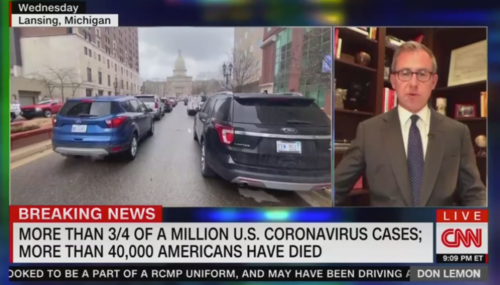
CNN On Auto Repeat: Michigan Protests ‘Not Organic,’ ‘Not Organic'

CNN, MSNBC Circle the Wagons Around Pal Adam Schiff After NYT Report
In the first hour since they finally acknowledged a bombshell New York Times story about liberal media confidant/Congressman Adam Schiff (D-CA) knowing in advance about the whistleblower being used to impugn the presidency, CNN’s The Lead and MSNBC Live circled the wagons on Wednesday afternoon to defend Schiff
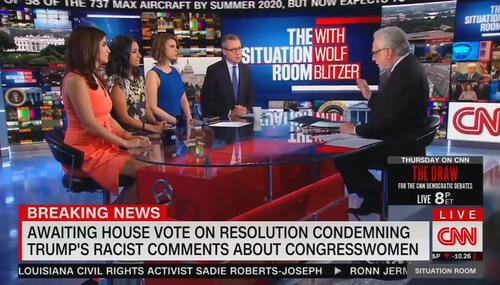
Blitzer: ‘Condemning’ Trump’s ‘Racism...Shouldn’t Be a Partisan Issue’
CNN’s Situation Room host Wolf Blitzer might be viewed as an iconic journalist and bastion of truth, but the Trump era has shown that he’s a liberal pundit who mirrors, say, MSNBC’s Rachel Maddow. On Tuesday’s show, Blitzer came back from break to insist that voting in support of a House Democrats resolution “condemning the President's racist comments...shouldn’t necessarily be a partisan…