
NPR's 'Fresh Air' Compares Kimmel Suspension to McCarthyism
NPR’s Fresh Air lived down to its reputation as a Trump-hating leftist bubble on Wednesday as they discussed their hero Jimmy Kimmel. Host Terry Gross brought on former Washington Post executive editor Marty Baron and New York Times legal reporter Adam Liptak. It took Baron three sentences to compare Kimmel’s brief suspension to the Army-McCarthy hearings.
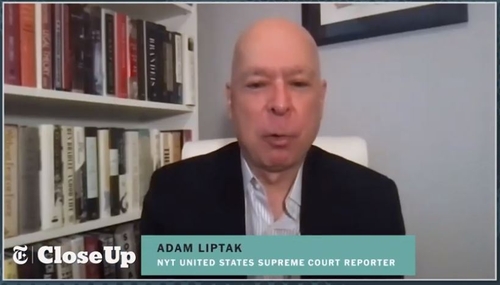
NYT SCOTUS Scare Tactic: ‘How Far to the Right Will Supreme Court Go?'
The front page of Monday’s New York Times marked the return of the U.S. Supreme Court to the bench with the scary-sounding headline “How Far to the Right Will the Supreme Court Go?” Supreme Court beat reporter Adam Liptak and Abbie VanSickle shared the liberal obsession with the potential extremism of the Supreme Court, now dominated by Republican presidential appointees. (The paper…
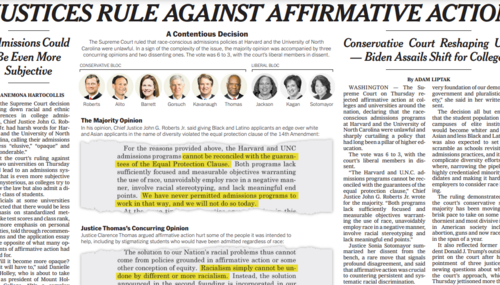
NYT Sobs Over Race Admissions Loss: 'Threatens...Court’s Legitimacy'
Friday’s New York Times led with the important Supreme Court ruling outlawing race-based "affirmative action" programs at Harvard University and the University of North Carolina, with wide-ranging ramifications both in college and the workplace. The paper’s SCOTUS beat reporter Adam Liptak was petulant in defeat, seeing a delegitimized Supreme Court but also perhaps accidentally…
NYTimes Wails Against Conservative SCOTUS: It's Power-Hungry Too!
New York Times Supreme Court reporter Adam Liptak sounded his latest alarm about the dangerously conservative Supreme Court in Tuesday’s paper. The online headline deck: “An ‘Imperial Supreme Court’ Asserts Its Power, Alarming Scholars -- Several new studies document the current court’s distinctive insistence on its dominance and the justices’ willingness to use procedural shortcuts…

NYT's Adam Liptak Still Obsessed: SCOTUS 'Moved Relentlessly to Right'
New York Times Supreme Court reporter Adam Liptak made Monday’s front page under the online headline “As New Term Starts, Supreme Court Poised to Resume Rightward Push.” It’s a constant theme for Liptak, closely connected to his parallel obsession, the court’s loss of public legitimacy, which somehow occurred after the left stopped having everything its own way with the addition of…
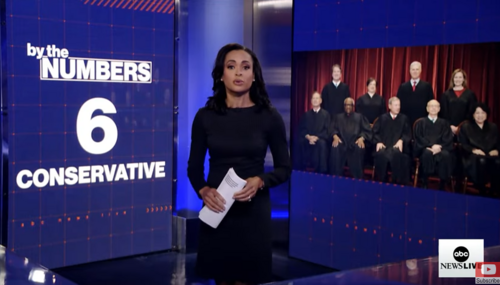
NYT Lead: SCOTUS Moving ‘Relentlessly to Right...Approval 'Plummeting'
Saturday’s New York Times led with Supreme Court reporter Adam Liptak analyzing the ideological trend of the Court in “What We Learned This Term About the Supreme Court’s Shift to the Right,” a shift resulting from the addition of the three conservative justices appointed by President Trump. The banner print headline, “Court’s Term Was Its Most Conservative Since 1931…
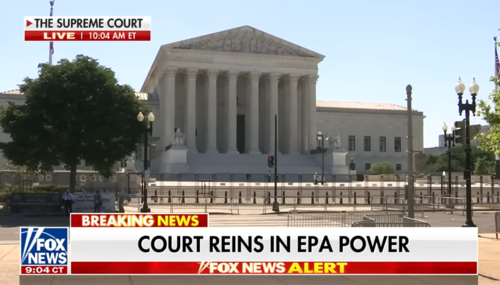
NYT Hates Court EPA Ruling: A ‘Civilized Society’ Without Regulation?
The front of Friday’s New York Times featured dismayed coverage of another conservative-pleasing ruling from the Supreme Court, this one reining in the Environmental Protection Agency. First up, legal reporter Charlie Savage’s “E.P.A. Ruling Is Milestone in Long Pushback to Regulation of Business.”
Supreme Court beat reporter Adam Liptak also made his opinion clear in Friday’…
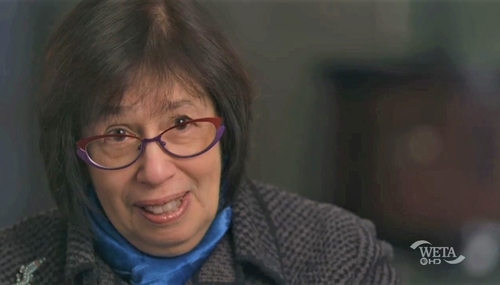
NY Times Takes End of Roe v Wade Hard: 'Requiem for the Supreme Court'
The initial New York Times news coverage of the Supreme Court’s historical overruling of the abortion ruling Roe v. Wade was surprisingly sedate. But former Supreme Court correspondent Linda Greenhouse was seething with anger in a Sunday op-ed, “A Requiem for the Supreme Court.”
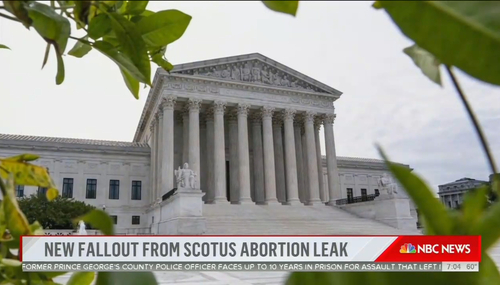
NY Times SCOTUS Scribe Sees Opinion Leak 'Blow to Court's Legitimacy'
Thus far, New York Times coverage of the Supreme Court bombshell -- a leaked opinion that would overturn the 1973 abortion ruling Roe v. Wade -- has been only slightly hysterical. But Adam Liptak’s front-page story, “Extraordinary Breach Delivers Blow to the Court’s Legitimacy” harped on the leak of a draft opinion as a blow to the Court’s legitimacy – before we know who…
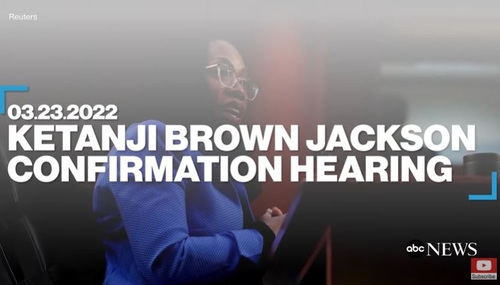
NYTimes Mad at GOP ‘Angrily Lecturing and Interrupting…Jurist’ Jackson
The front of Thursday’s New York Times covered the last day of questioning for Biden’s Supreme Court nominee, and delivered more condemnation of Republicans: “Ketanji Brown Jackson Survives a Final Bruising Day of Questions.” The Times barely grazed the fact that Judge Jackson refused to define what a woman is (despite all the press hailing of Jackson as the first black woman…

NY Times Skips Sotomayor’s WHOPPER About 100,000 Kids with COVID
As the Supreme Court takes Biden’s attempt to enforce vaccine mandates on private businesses, New York Times reporter Adam Liptak wrote a 1,500-word piece included not a single sentence about the falsehood offered by liberal Justice Sonia Sotomayor: “We have over 100,000 children, which we have never had before in serious condition and many on ventilators.”

Ex-NYT Reporter Yells About 'Weaponized' Court to Defend Abortion
After years of ideologically tinged Supreme Court decisions on gay marriage and campaign finance that pleased the left, suddenly the left is horrified if some those sloppy, politicized decisions may be thrown out.Linda Greenhouse, a former Supreme Court reporter for the New York Times, still opines for the paper, and she is on a jihad against the current Court, now with three…

NY Times’ SCOTUS Reporter Laments ‘Rough Two Weeks’ For Roe v. Wade
New York Times Supreme Court reporter Adam Liptak is once again suggesting that the court must uphold the (constitutionally non-existent) right to abortion if it wishes to maintain credibility with the public (although abortion isn’t actually popular with the public) in “With Roe at Risk, Justices Explore a New Way to Question Precedents.” Liptak's sympathy for the bad ruling (the…

Pathetic: Roe Under Fire, NYT Again Finds SCOTUS Credibility at Stake
Adam Liptak, Supreme Court reporter for the New York Times, sent up a warning flare for the right-leaning Supreme Court: Don’t mess with Roe v. Wade. His Sunday analysis, “As Roe Teeters, Belief in Court Could Tilt, Too” suggested court’s credibility was (conveniently) at stake. The online headline: "Critical Moment for Roe, and the Supreme Court’s Legitimacy."