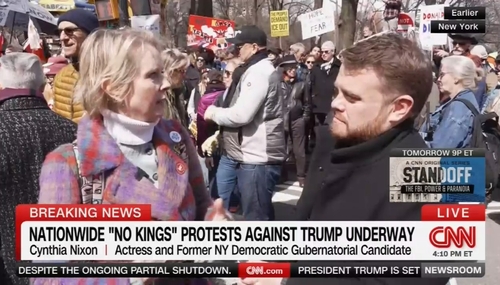
Cynthia Nixon’s 'No Kings' Meltdown: Another Celebrity Tantrum on CNN
Liberal activist/actress Cynthia Nixon apparently has a lot of time on her hands since the cancellation of HBO Max’s Sex and the City reboot which she starred in. When she’s not out on boats claiming abortion is “great,” she can be found virtue signaling in aimless protests such as Saturday’s “No Kings” gathering in New York City.
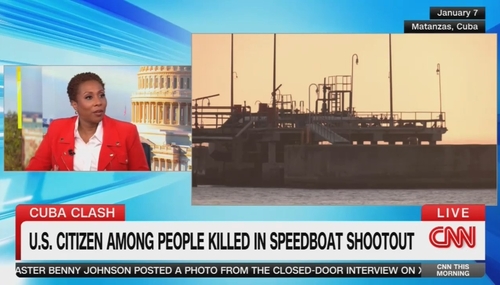
CNN's Cornish Tries Blaming The U.S. For Cuba's Problems
The latest chapter in the decades-long tradition of the news media blaming the U.S. for Communist Cuba’s problems was written on Friday’s CNN This Morning when host Audie Cornish and New York Times writer and podcaster Lulu Garcia-Navarro tried to blame President Trump’s seizing of Cuba-bound Venezuelan oil tankers for the country’s ever-increasing economic disaster.
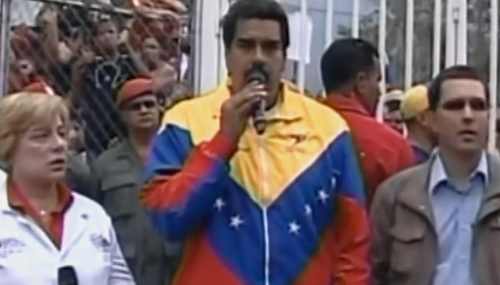
PBS Doc On Venezuelan Crisis Omits Any Reference To Socialism
PBS’s Tuesday Frontline documentary on Venezuela sought to highlight the series of events that led to the January capture of Nicolas Maduro. Naturally, that meant focusing in on Maduro’s corrupt and authoritarian rule, but there was one word noticeably absent from the history lesson: socialism.

NBC the Only Nightly Newscast to Report Cuban Fuel Shortage
With the threat of kinetic action not appearing imminent in the Caribbean, news coverage has sharply tapered off, But, as the most recent cutting off of oil to Cuba’s Castro dictatorship shows, there is plenty that the media isn’t keen on people seeing.
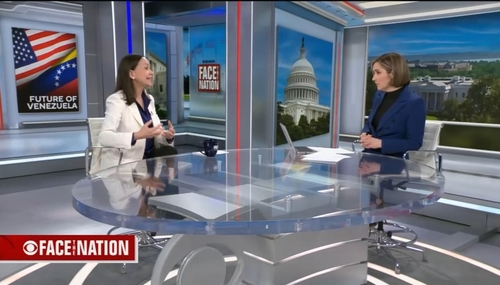
CBS’s Margaret Brennan Chides Machado for Handing Nobel Medal to Trump
Margaret Brennan’s interview with Venezuelan leader María Corina Machado on Face the Nation ended with a familiar point of grievance that the Elitist Media have a hard time letting go of: her giving the Nobel Peace Prize medal to President Donald Trump during her recent White House visit.
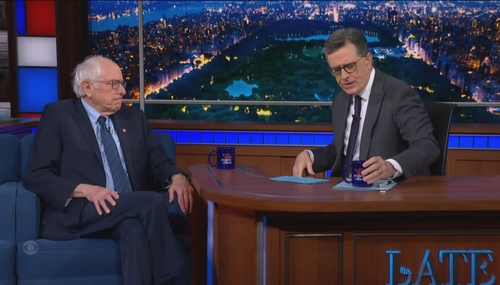
Colbert Hosts Sanders For a Four-Segment Long Softball Interview
CBS’s Stephen Colbert welcomed Sen. Bernie Sanders to The Late Show for the nineteenth and hopefully final time on Tuesday for an obnoxiously long, four-segment softball interview covering everything from Colbert’s employer to Venezuela to Minnesota to socialism.
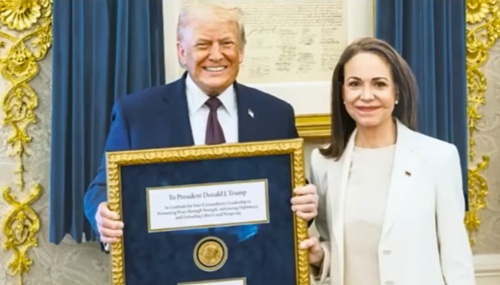
NY Times Huffs: Machado's Schmoozing with Trump 'Annoys Norwegians'
Friday's front page of The New York Times carried this headline: "Nobel Peace Laureate's Wooing of Trump Annoys Norwegians." Which means it also annoys the Trump-hating Times.
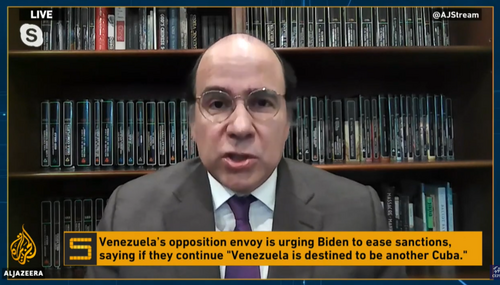
NY Times Hosts Soros-Tied Expert to Slam Trump's Post-Maduro Plans
It seems like the upper echelon of New York Times leadership understands that disclosing the explicit leftist biases of its sources has the potential to undermine the entire credibility of the newspaper’s anti-Trump mudslinging.
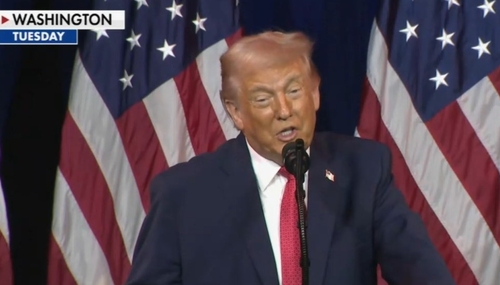
AP in Orlando Sentinel Funhouse: 'Venezuela' Tags US with 'War Crime'
The Orlando Sentinel's banner front-page headline on Wednesday twisted an already over-credulous Associated Press dispatch from Caracas into a full-fledged scandal implicating the United States and Donald Trump in war crimes. “Venezuela calls deaths ‘war crime’” included a photo of a menacing Trump speaking at a GOP retreat.
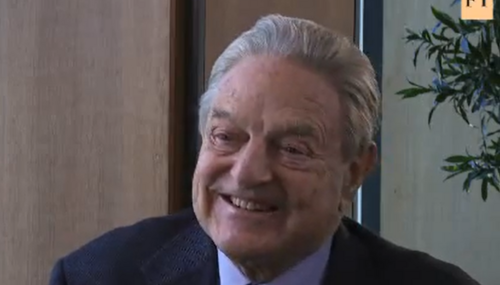
NARCO SIMPS: Soros-Funded Group Laments 'Kidnapped' Nicolás Maduro
Leave it to an insane, radical group funded by leftist billionaire George Soros to make a narco-terrorist dictator out to be the victim and President Donald Trump out to be the arch-villain. Public Citizen -- which has taken over $6 million from Soros -- lamented the "kidnapping" of "Venezuela's president" Nicolas Maduro.
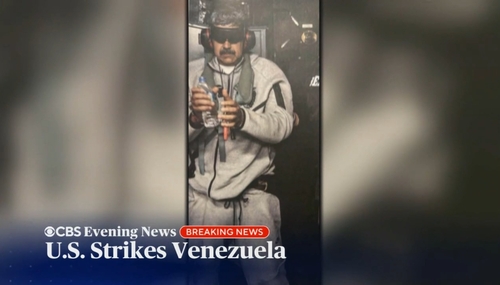
The Dividends of Operation Absolute Resolve
One great irony is that deposed Venezuelan socialist despot Nicolás Maduro sits in jail in New York City, where a new socialist mayor, inaugurated a few days ago, extols the “warmth of collectivism” rather than the “frigidity of rugged individualism.” No warm, cuddly collectivist has ever, nor will ever, perform a mission like rugged American individualists just pulled off in Venezuela,…
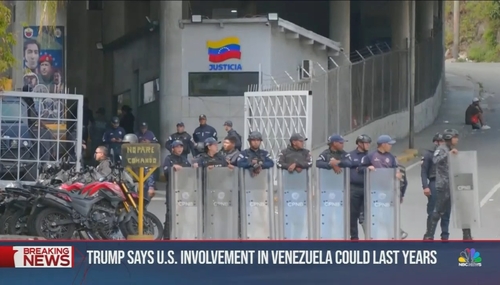
NBC Is The Only Network Newscast to Cover Venezuela Prisoner Release
The aftermath of the ICE shooting of an anti-ICE activist in Minnesota has quickly exploded into a national story that sucks the oxygen out of anything else trying to elbow its way into the news cycle . This includes Venezuela, where the NBC Nightly News was the sole evening network newscast to chronicle a major development: the Chavista regime’s release of an indeterminate number of…
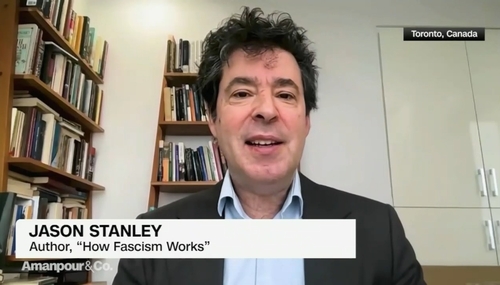
PBS Puts On Paranoid Professor to Mark January 6 As 'Phase of Fascism'
The subject line to the promo email for Tuesday’s Amanpour & Co. on PBS marked the one riot the left didn’t get behind: “Fascism Expert Jason Stanley on the 5th Anniversary of Jan. 6 Capitol Attack.” Stanley is a favored guest on PBS, NPR and the left-wing MS NOW (formerly MSNBC) -- which gives a hint where PBS News lies on the ideological spectrum -- and Bianna Golodryga…
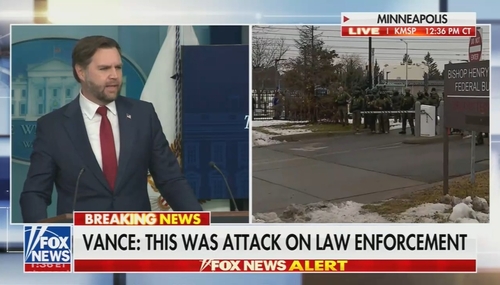
Vance Blasts Media as ‘Agents of Propaganda’ For Minneapolis Coverage
Vice President JD Vance took to the White House Briefing Room podium Thursday afternoon to answer questions about Wednesday’s deadly ICE-involved shooting in Minneapolis, but not before launching into one of multiple take downs for the “irresponsible” liberal media outlets acting as “agents of propaganda” and “lying about” both the ICE officer and the facts borne out in multiple videos.