Media Elitists Trash Trump’s SOTU, Fearmonger Over Iran
The following are just a few of the most obnoxious outbursts from leftist journalists and celebrities over the last month.
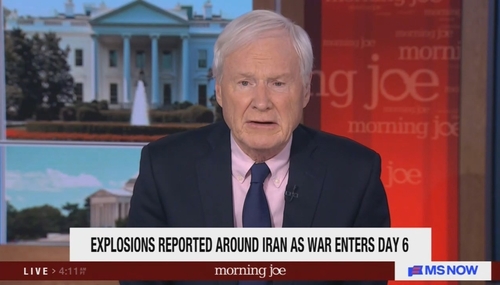
Chris Matthews Calls Trump a King, Citing Iran, SOTU ‘Monarch’s Gifts’
On Thursday’s Morning Joe, Joe Scarborough and Mike Brzezinski’s former MSNBC colleague Chris Matthews was on the show to discuss the military operations in Iran, as Mika read Matthew’s Substack article, “State of War,” which called Trump a ‘monarch’ because of his launch of strikes on Iran. The article also dismissed the veterans commemorated at the State of the Union, and suggested…
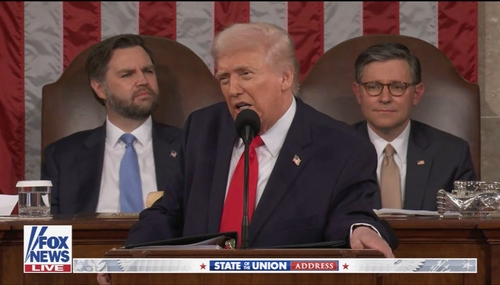
Fox and Newsmax SOTU Ratings Represent Bad News for Liberals
Fox News dominated February ratings with a 28% primetime viewership jump, outpacing CNN and MS NOW combined. Newsmax also hit a milestone, drawing over 4 million viewers for Trump’s State of the Union address. The ongoing rise of conservative media, from Fox and Newsmax to talk radio, is rapidly reshaping the American media and political landscape.
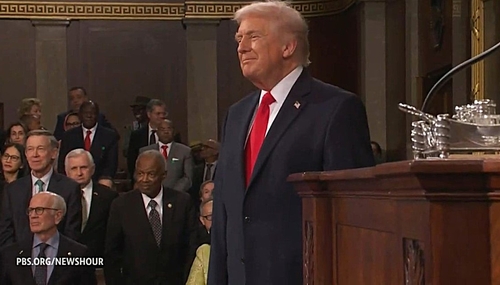
NewsBusters Podcast: The State of Our Division Is Strong
The State of the Union reveals that our country isn't unified. The media thrive on division, on trying to divide Trump from the public. The "fact checkers" pounce on Trump and leave the Democrats untouched. Their comedians and actors speak in the most hateful terms, and then Democrats accuse Republicans of being the ones who divide people.
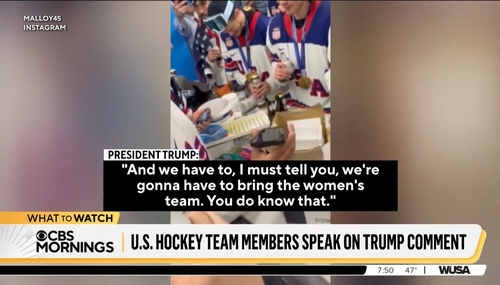
Sports Media Tries To Smear Men's Hockey Team As Sexist Trump Puppets
The U.S. men’s and women’s Olympic hockey teams both defeating Canada in overtime to win the gold medal should have been a joyous moment for the country. However, too many in the sports media have decided that it is their life’s mission to ruin this great moment by trashing the men’s team for not joining the left’s anti-Trump jihad.
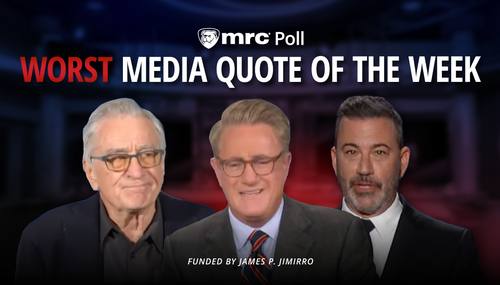
POLL: What Was the Worst Media Quote of the Week?
POLL: What Was the Worst Media Quote of the Week?
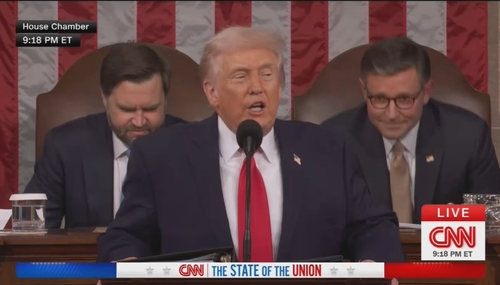
Column: The State of Our Journalism Is Viciously Anti-Trump
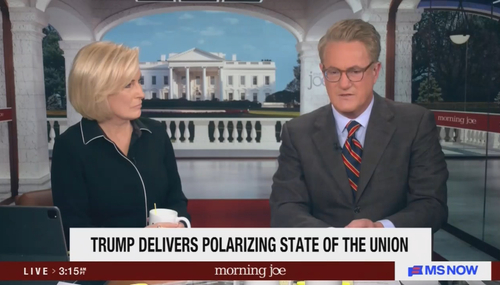
The State of the Union speech is an effective annual exercise to measure how journalists feel about a long speech on national TV by Donald Trump. They hate it intensely, like most children hate broccoli. They would like to scrape that steaming plate into the garbage.
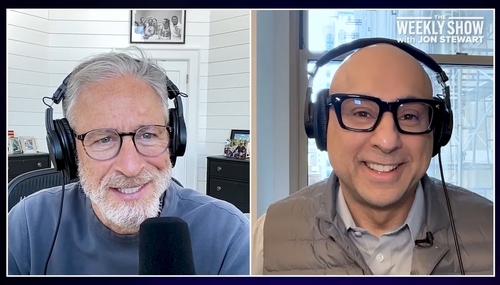
Stewart Claims Americans Have Been 'Sore Winners' After Hockey Wins
Not content with Monday’s edition of The Daily Show, Comedy Central’s Jon Stewart took to The Weekly Show podcast on Wednesday to continue his Olympic-sized hot takes about Team USA’s gold medal-winning hockey teams, where he also threw in some bad takes about health care in a capitalist system for good measure.
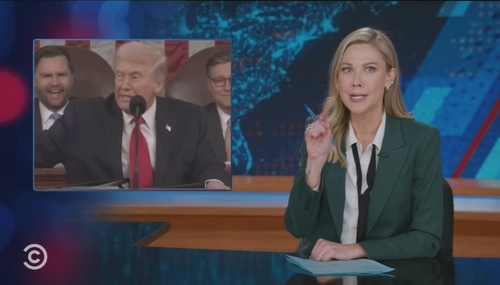
Lydic: Dems Didn't Stand Due To Trump's 'Tyranny And Lawless Behavior'
Comedy Central’s The Daily Show host-of-the-week Desi Lydic tried to rebuke President Trump on Wednesday for condemning Democrats for not standing and applauding certain moments during his Tuesday State of the Union Address. According to Lydic, the reason they refused to stand was because of Trump’s “tyranny and lawless behavior,” but the specific situations that Lydic highlighted did…
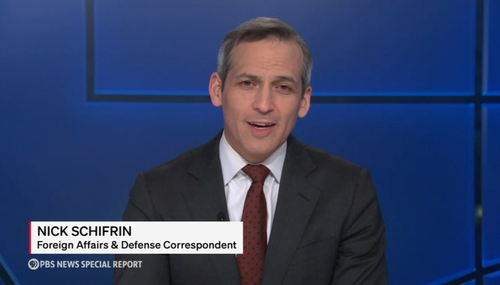
PBS Reporter Disses Trump's Iran Death Count, Trusted Hamas Gaza Stats
After Virginia Gov. Abigail Spanberger’s rebuttal speech to President Trump’s State of the Union address, PBS News Hour’s foreign policy reporter Nick Schifrin nitpicked President Trump’s claim about the carnage in Iran. There’s an ideological point to casting doubt on the estimated number of peaceful protesters killed by the Iranian regime, given that Trump may be building up U.S.…
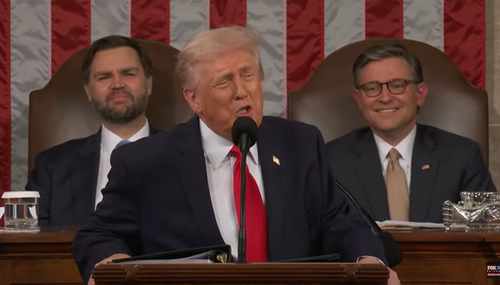
HA! CNN Admits ‘Trump Is Right: The Economy Is Strong’ Post-SOTU
It’s been proven that CNN will never give President Donald Trump an inch on a “strong” economy without taking logic and twisting it into such an amorphous pretzel to take nonsensical jabs at his record anyway.
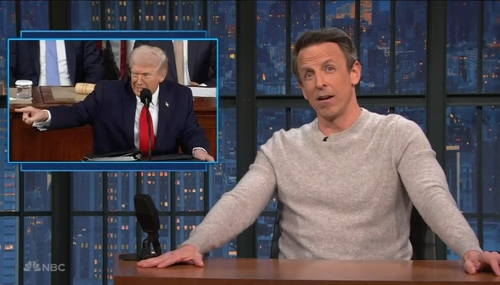
Meyers Attacks Trump For Calling Dems 'Crazy' at SOTU
NBC’s Seth Meyers reacted on Late Night to President Trump’s State of the Union address on Wednesday by attacking him for condemning Democrats for not standing up and applauding and for allegedly trying to “co-opt” Team USA's men's hockey gold medal for himself. In both cases, Meyers left out some crucial context.
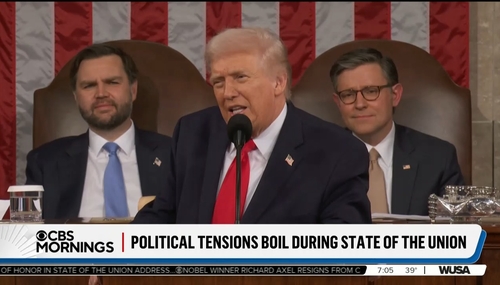
‘Plenty of Division’; CBS Upset by Trump’s ‘Contentious’ SOTU Speech
Despite having been painted a picture by the liberal media that the new CBS News would become something akin to MAGA TV, it has been anything but. Wednesday’s CBS Mornings reacted with negative narratives about President Trump’s “contentious” 2026 State of the Union speech, “clash[ing] with Democrats” and painting a supposedly dour economy as strong.
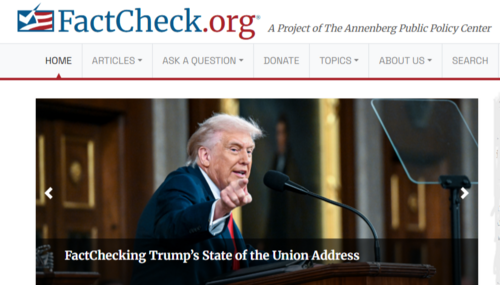
'Independent Fact Checkers' PILE ON Trump, Spanberger Gets a Free Pass
The State of the Union is typically an eye-opening exhibit of how dramatically slanted our "independent fact-checkers" are. An overview of the most prominent traditional national media sites reveals a total of 123 "fact checks" on the president to four for Gov. Abigail Spanberger (D-Va.). One might say that Trump spoke much longer, but all four of Spanberger's evaluated claims were ruled as…