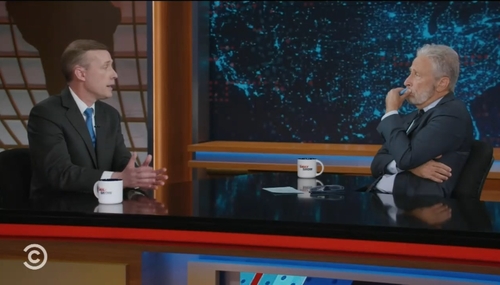
Amid Iran War, Stewart Decries Alleged U.S. Hypocrisy On Israel
For the last three weeks the late night comedy shows have relentlessly attacked President Trump amid the war in Iran, but on Monday, Comedy Central’s Jon Stewart went over the other half of the American-Israeli alliance in an interview with former Biden national security advisor Jake Sullivan on The Daily Show. Both men would also use Israeli Prime Minister Benjamin Netanyahu to…
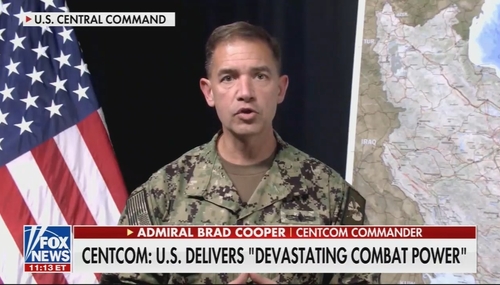
New York Times Launches Unfounded Hypocrisy Charge at Admiral Cooper
John Ismay calls himself a Pentagon reporter for The New York Times, but on Tuesday, Ismay launched an unfounded and ill-informed allegation of hypocrisy against CENTCOM commander Admiral Brad Cooper for comments related to an Iranian attack on Israel involving cluster munitions.
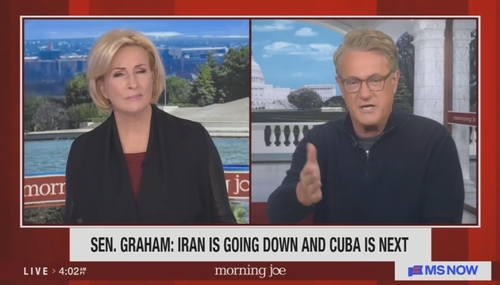
Scarborough Predicts Iran War ‘Disaster’—Analysis or Wishful Thinking?
On Monday’s Morning Joe, Joe Scarborough predicted that the U.S. conflict with Iran would end in “disaster,” repeatedly warning that American intervention abroad “always leads to disaster” before concluding ominously: “This won’t end well either.”
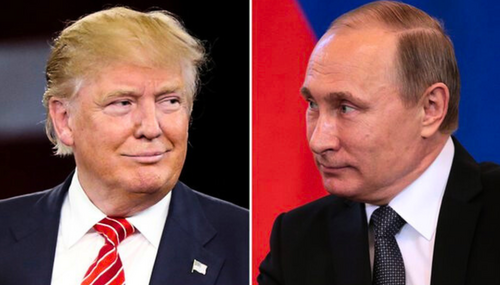
Atlantic Magazine Shatters Liberal Myth that Trump is Putin's Puppet
A recent Atlantic article by Thomas Graham and Alan Cullison debunks the claim that Trump is controlled by Putin. Instead, Trump’s actions, such as sanctions on Russian oil and arms agreements, have weakened Russia’s global position, challenging the liberal belief that Putin pulls Trump’s strings. Face the facts, not partisan myths.
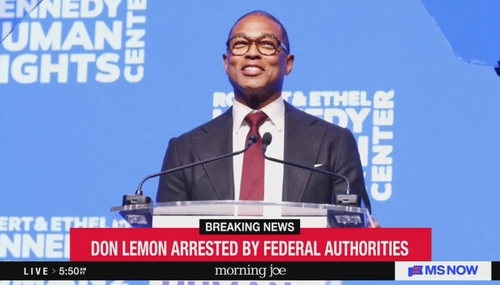
MS NOW Compares U.S. To 'Russia, China, Turkey' After Lemon Arrest
The Friday cast of MS NOW’s Morning Joe collectively freaked out over the arrest of former CNN host Don Lemon for his role in a recent church storming in St. Paul, Minnesota. The panel would claim Lemon was arrested for simply “doing his job” and that he is just the “first target” of a federal government that resembles that of China, Russia, and Turkey.

Scarborough Compares ICE To The Soviet Union And Putin
On Wednesday’s Morning Joe, MS NOW’s Joe Scarborough continued his network’s inglorious habit of portraying ICE as some sort of cartoon villain. In this case, Scarborough compared ICE to both the Soviet Union and today’s Russia under Vladimir Putin while talking beside footage of an operation at a gas station that he ignored the context of.
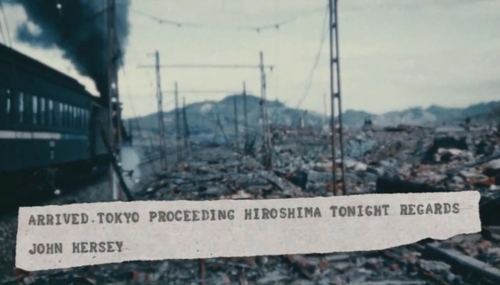
PBS Revises History, Tries Making Atomic Bomb Debate About Journalists
It is well known that the media likes to make themselves the main character of every story they can, but Tuesday’s PBS American Experience documentary about the atomic bombings on Japan took things to a whole new level. The main takeaway for PBS’s assembled cast of BlueSky historians is not that the narrative we tell ourselves about the necessity of the bombs is true, but rather that…
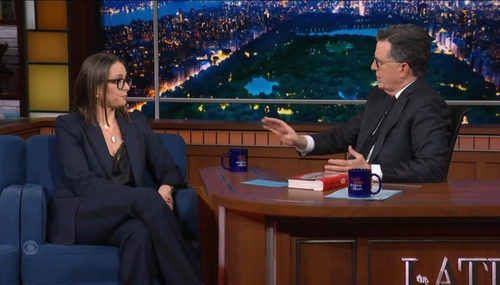
Colbert Hails 'Forward-Looking Feminist Agenda' Of The Soviet Union
For the left, 2026 will be a sad year in the realm of late night comedy because The Late Show host Stephen Colbert will depart the scene in May. For everyone else, the CBS host’s Monday ode to the Soviet Union with Puck News Washington correspondent Julia Ioffe was a good reminder of why they will not miss him.
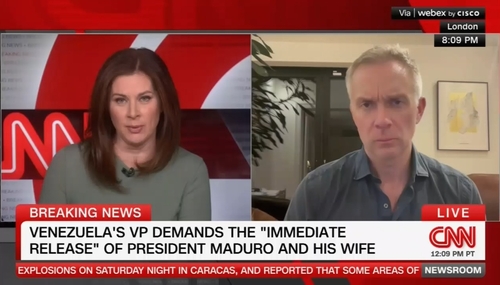
CNN Fears Maduro's Capture Will Start WWIII, Compares U.S. to Russia
Just hours after the United States stunned the world by having Delta Force swoop into Venezuela and arrest dictator Nicolas Maduro without losing a single American in the daring raid, CNN’s Erin Burnett spent hours Saturday clutching her pearls about what could happen next. CNN hinted at the possible start to WWII, suggested it would embolden China and Russia, and straight up compared the raid…

CNN Sports Reporter Compares ICE Operations To Russia and Qatar
CNN sports correspondent Don Riddell may have been reporting from snow-covered D.C. on Friday’s The Situation Room, but his hot take about the upcoming World Cup could have thawed the wintry weather. According to Riddell, Trump’s America—specifically, ICE operations—is comparable to human rights abuses in the two previous World Cup hosts of Russia and Qatar.

LOL: Psaki Claims White House Press Corps Is Becoming 'Kremlin-esque'
Former White House press secretary and current MS NOW host Jen Psaki joined former NBC and CBS anchor Katie Couric on her Substack’s video show on Wednesday to claim that the current White House press corps is becoming “Kremlin-esque.” Both Psaki and Couric were too deep in their echo chamber to realize that Psaki’s previous sentence unwittingly highlighted just how absurd the claim was.
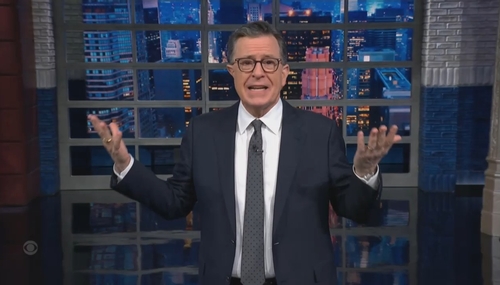
New York Public Radio Honors Colbert At Fundraiser After Defunding
The crossover that no one asked for came together on Tuesday as CBS’s host of The Late Show, Stephen Colbert, joined The New Yorker editor and NPR host David Remnick for a New York Public Radio fundraiser for an exercise in mutual back patting in the aftermath of Colbert’s cancellation and public media’s defunding.
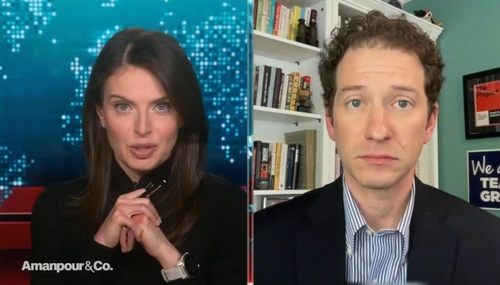
PBS Worries That Midterm Elections Will Be Like Those In Russia
Thursday’s edition of PBS’s Amanpour and Company went off the rails when guest host Bianna Golodryga welcomed The Atlantic staff writer David Graham to discuss supposed threats to next year’s midterm elections. The duo would muse about everything from Marines seizing ballot boxes to the idea that the elections will be the fake sort that you get in places like Russia, but no…
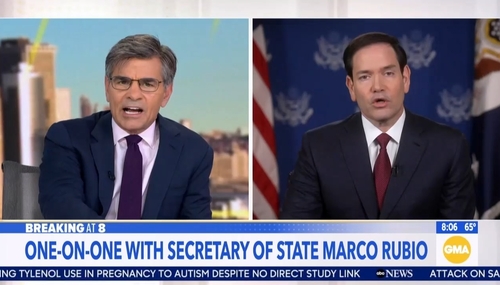
Stephanopoulos Heckles Rubio, Argues He Killed People by Ending USAID
As the position has often done the week of the annual United Nationals General Assembly (UNGA), Secretary of State Marco Rubio made the rounds Tuesday on the broadcast network flagship morning news shows. Unsurprisingly, ABC’s Good Morning America was the worst, thanks to co-host and former Clinton flack George Stephanopoulos shouting at Rubio, accusing the U.S. of killing innocents…