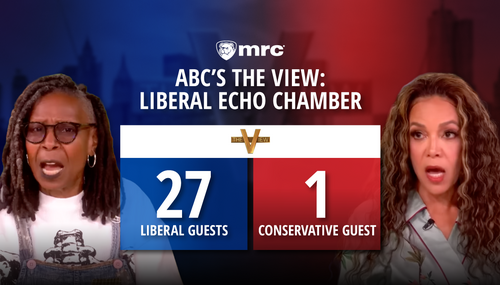
Acosta Tries To Blame Trump For White House Plumbing Issues
Former CNN host turned podcaster Jim Acosta appeared to suggest on Thursday that, because the president lives at the White House, he is in charge of its plumbing, as he blamed President Trump for the poor working conditions that he worked in when he was a White House correspondent during Trump’s first term.

Hulu Drama Vilifies Billionaire Boogeyman in Anti-Capitalist Finale
Hulu’s Nine Perfect Strangers ended its second season with the episode “Never Change,” on Wednesday, revealing the secret connection the guests’ have at alternative therapy pioneer Masha’s (Nicole Kidman) psychedelic Alpine wellness retreat. The finale delivers a pointed anti-capitalist message by casting billionaire David Sharpe (Mark Strong) as the ultimate villain.

Chieng: Need For Trump Missile Defense Sounds Like 'A Us Problem'
While some late comedians have attacked the GOP’s spending bill as an attack on poor people, Comedy Central’s Ronny Chieng decided to be different and take a swing at the national security portions, mainly President Trump’s call for a “Golden Dome” missile defense system. On Thursday’s episode of The Daily Show, Chieng quipped that the argument for the system sounds “like a us problem…

CNN, MSNBC Freak Out, Claim PBS 'Puts The Us In The U.S.'
The Friday primetime lineups of CNN and MSNBC did not handle the news that President Trump signed an executive order forbidding taxpayer money for PBS and NPR well, as they portrayed the news as an assault on everything from democracy, science, the military, farmers, and even the country itself.
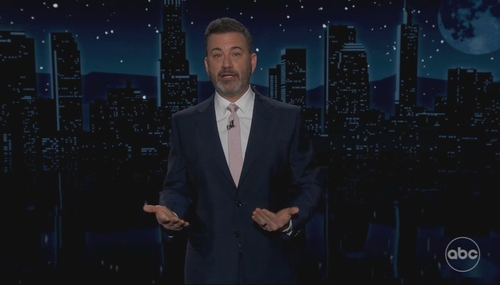
Kimmel Tries and Fails To Dunk On Trump's Missile Defense Plan
During his Tuesday show, ABC’s Jimmy Kimmel tried to mock President Trump’s recent executive order regarding the creation of an “Iron Dome”-like missile defense system by claiming Trump has no idea what he is talking about. However, it was Kimmel who showed his ignorance not just on missile defense but also in insisting that viewers take the scientists at the Doomsday Clock seriously when they…
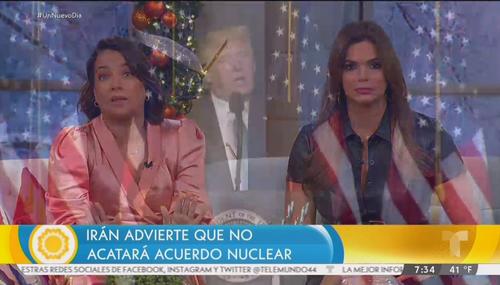
Telemundo’s Soleimani Coverage Resorts to Bomb Scares and Propaganda
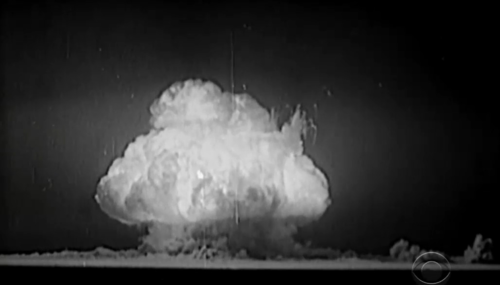
NYT Psychiatrist Calls for New Law to Prevent Trump From Nuking Us All
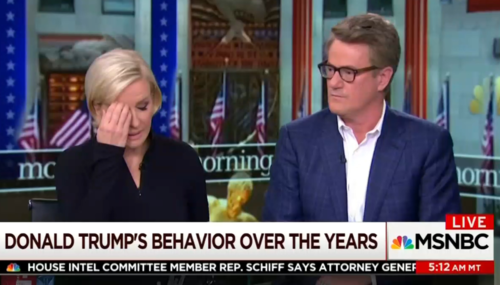
Morning Joe Promotes Military Insubordination Towards ‘Crazy’ Trump
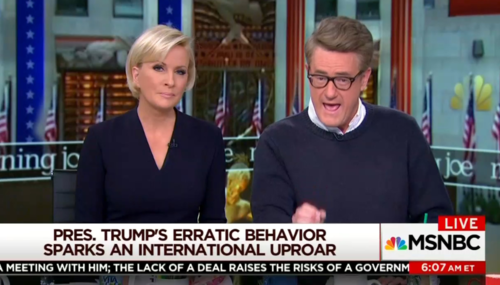
Morning Joe: Trump Has ‘Dementia’, ‘Mentally Unfit’
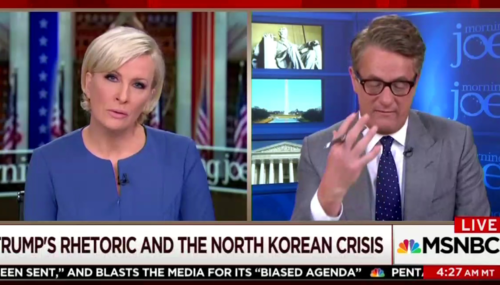
You Proud of That? Joe and Mika Have ‘Mind Meld’ With North Koreans
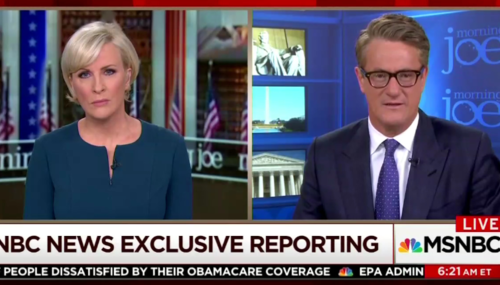
Morning Joe Calls for Crippling U.S.’s Nuclear Defense Capabilities
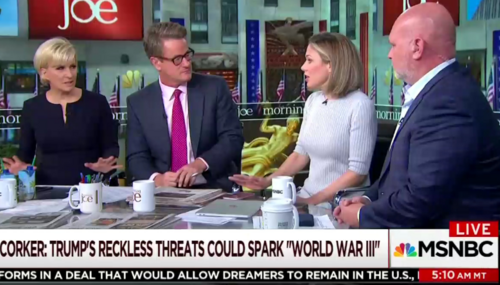
Morning Joe: Republicans Will Be Responsible For 'Nuclear Holocaust'

AP Wonders If U.S. ‘Should’ Shoot Down N.K. Missiles Headed for U.S.