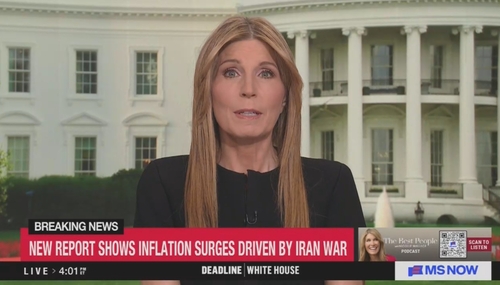
Nicolle Wallace Imagines Iran Doomsday: ‘Even Worse Than We Think’
Hide the sharp objects—at least if you take Nicolle Wallace seriously. On Friday’s edition of her Deadline White House, Wallace painted an apocalyptic picture of the situation in Iran—one grim enough to have Trump supporters reaching for the Lexapro—if they believed her.
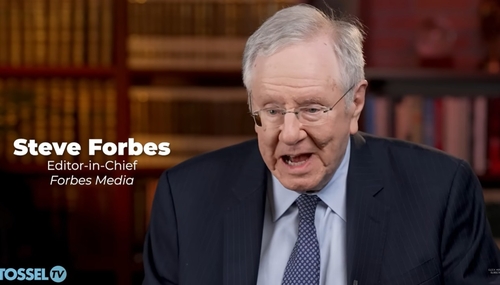
The Truth About Taxing the Rich: Deficits, Migration, Fewer Jobs
“Tax the rich!” shout progressives. Why not? America’s richest people are ridiculously rich. “Five bucks to you is like $6 million to billionaire Jeff Bezos!” shrieks Sen. Elizabeth Warren. Taking more from billionaires and millionaires just seems fair. That’s why Washington state passed a new “millionaire’s tax,” California will soon vote on a “billionaire’s tax,” and my mayor in NYC shouts…
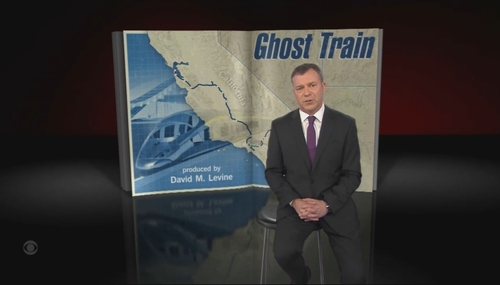
CBS’s ‘60 Minutes’ Rips California Rail Racket, Allows Easter Message
While it’s certain to not always be the case, Sunday’s 60 Minutes offered a possible harbinger of things to come if editor-in-chief Bari Weiss is to turn CBS News into a network with journalism that appeals to all Americans. The episode including a lengthy piece blasting California’s high-speed rail boondoggle and then a closing minute from Christian evangelist Franklin Graham about…
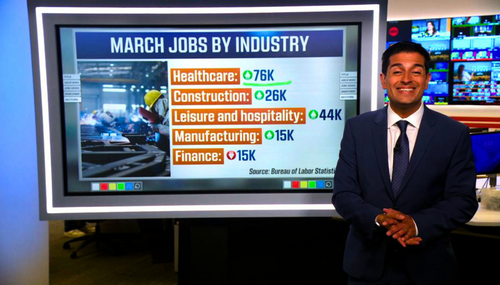
Politico Frames March Jobs Report as 'Useful Talking Points' for Trump
Despite ongoing criticism and economic concerns tied to the Middle East conflict, President Trump benefits from stronger-than-expected March job growth and a falling unemployment rate, giving him positive talking points amid public dissatisfaction, as noted with frustration by Politico’s Victoria Guida.
You Don’t Own Me: Freedom, Responsibility, & the Lies of Collectivism
Politicians tax what we earn, regulate what we build and often decide what we can do with our bodies and our money.
I like to think I own myself. But politicians increasingly act as if they do. “People should not have power over other people’s lives,” says Timothy Sandefur, author of the book “You Don’t Own Me.” In my latest video, Sandefur challenges the attitude that “freedom belongs…
Hayek’s Warning We Ignored: Government Planning Doesn’t Fix Economies
Politicians say they can “make the economy work better.” I once believed they could. But years of reporting taught me that politicians’ attempts to “fix” the economy usually make things worse. Twenty years ago, Republicans and Democrats helped create the Great Recession by telling government-backed Fannie Mae and Freddie Mac to buy more peoples’ mortgages because, as President George W. Bush…
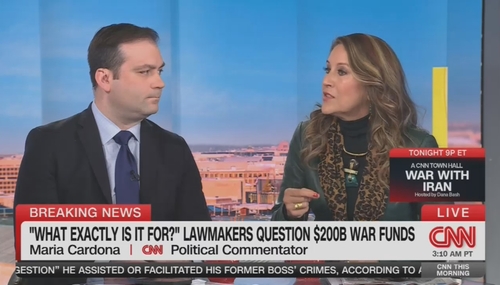
On CNN, Democrat Finds $200 Billion Is Too Much—When Trump Spends It
On Friday’s CNN This Morning, a Democratic panelist treated $200 billion in Iran war spending as excessive—echoing the party’s familiar line about struggling American families—despite years of Democrats pushing far larger spending on their own priorities.
Freedom Is Not Free
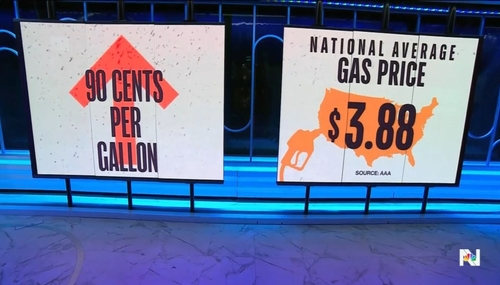
At the height of the energy crisis in the 1970s, when oil prices more than sextupled, The Economist magazine showed a map of the Persian Gulf on its cover with the headline, “What’s a Nice Thing Like Oil Doing in a Place Like This?” The Iranian miscreants, with whom we are now at war, understand that, although they could care less what their own citizens think, in free countries…

Gluttons for Punishment: NYT Keeps Stepping on Rake with Oil Scareporn
Someone should do a wellness check on The New York Times. Looks like its journos read the portents wrong — AGAIN — on another one of its apocalyptic prognostications on the economic consequences of President Donald Trump taking out the Islamist regime in Iran.
WATCH: Fox News’ Bret Baier CORNERS BlackRock CEO on ESG Nonsense
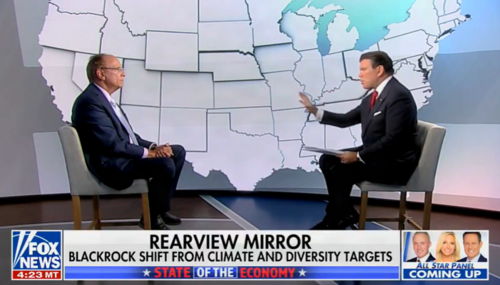
Reporters actually holding the powerful to account for practices detrimental to the U.S. economy should be required TV for any aspiring journalist. Today’s lesson is brought to you by Fox News anchor Bret Baier.
Americans’ Savings Rate Highest Since July, Helped by Lower Taxes
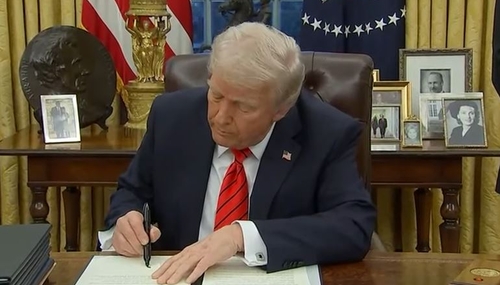
Americans’ personal savings rate jumped to its highest level in six months in January, as seasonally-adjusted tax expenditures dropped, the Commerce Department’s Bureau of Economic Analysis (BEA) reported Friday.
FAKE NEWS: ABC News Falsely Ties February Inflation Data to Iran War
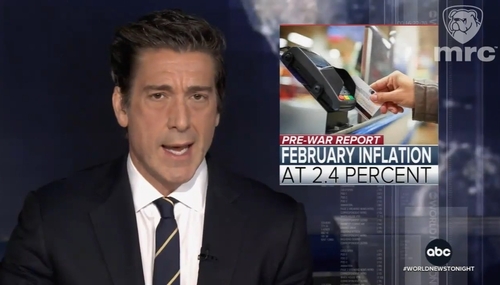
In an effort to instigate their viewers to feel economic doom over the current U.S. military operations in Iran, ABC World News Tonight committed what could be charitably described as an egregious act of fake news. Anchor David Muir linked the just-released Consumer Price Index for February to rising gas prices, and achieved this by omitting a key phrase.
FURIOUS SPIN: Trump Tariffs Didn’t Cause Inflation Doom, but Iran War!
The latest inflation data for consumer prices in February effectively kneecapped all of the media fear porn over the Trump tariffs. So what does the media do? It’s very simple: We won’t admit we were wrong, but Trump’s war in Iran is sure to make prices go up now!