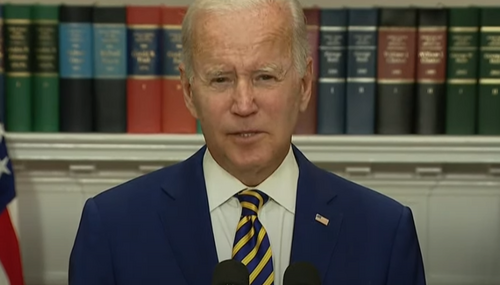
Google’s Non-Apology, and the West’s Digital ID Creep
Google's refusal to change its censorship policies has caught the attention of free speech advocates and politicians. In response to allegations of content moderation influenced by the U.S. government, Google offered no new admissions or changes. Meanwhile, debates over digital ID systems in the U.K. reveal concerns about privacy and control, with parallels drawn to potential U.S.…

Larry Summers Loses Noggin Nuggets Over Trump’s ‘2,000 Days of Death’
Former President Barack Obama’s National Economic Council director has slipped from being the voice of reason on inflation to going full Cocaine Bear by screeching that President Trump was killing people with his economic agenda.
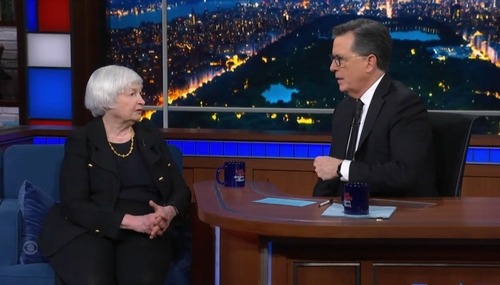
Colbert's Yellen Softball: 'Could You Have Been a Better Cheerleader?'
As Donald Trump prepares to return to the White House, CBS’s Stephen Colbert welcomed Treasury Secretary Janet Yellen to the Wednesday edition of The Late Show, where he lobbed a softball her way when he asked, “Could you have been a better cheerleader for the economy?” Also on the subject of Trump’s return, Colbert hailed former First Lady Michelle Obama’s decision to skip the…
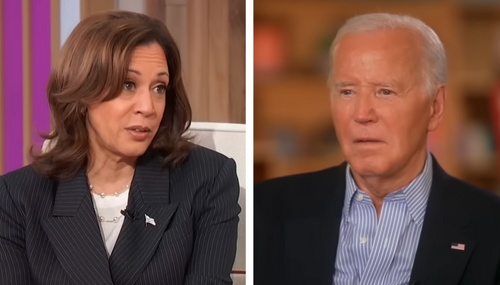
EXCLUSIVE: Read How Leftist Media Whored Out to Biden-Harris WH
Politico and Bloomberg Opinion have just been exposed engaging in grotesque journalistic malfeasance just to suck up to the Biden-Harris White House.
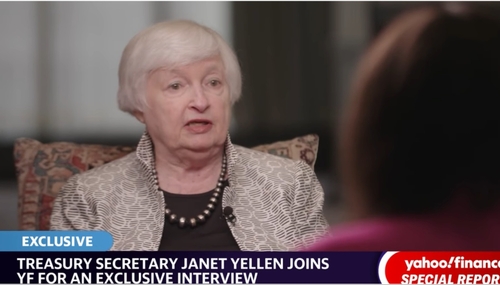
Yahoo! Finance Ignores Janet Yellen’s Partisan Trump Attack
Treasury Secretary Janet Yellen spewed Biden campaign talking points during a Yahoo! Finance interview, leading to zero pushback or follow-up from her interviewer.
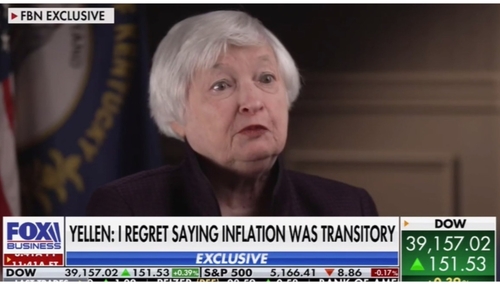
Janet Yellen to Fox Biz: 'I Regret Calling’ Inflation ‘Transitory'
President Joe Biden’s treasury secretary just admitted that her notorious “transitory inflation” gaslighting was wildly out of touch with reality.
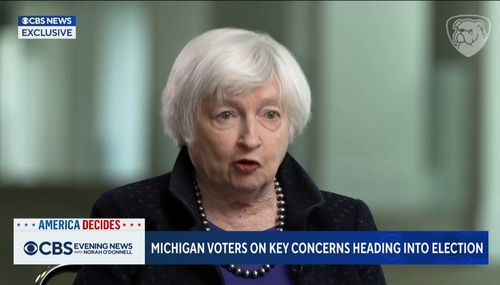
CBS: It’s Janet Yellen’s Turn To Ritually Affirm Biden’s Mental Acumen
There’s this thing going on wherein Biden officials have to go on camera and state that the president’s mental acumen and absolute command of the facts are without peer. The latest official to render this ritualistic praise is Treasury Secretary Janey Yellen, and she did so on CBS Evening News.
Biden Taps New 'Climate' Czar to Unleash ESG Agenda
On Thursday, Treasury Department Secretary Janet Yellen announced the appointment of a climate czar charged with using the “full force of the Treasury Department” to inflict the climate component of the Biden Administration’s environmental, social and governance (ESG) agenda on the U.S. financial system.

Rihanna Pressures Yellen, World Bank to Fight ‘Climate Emergencies'
In another case of celebrities with agendas who try to use their platform to get what they want, singer Rihanna called for Treasury Secretary Janet Yellen and World Bank President Ajay Banga to support her radical climate plan.
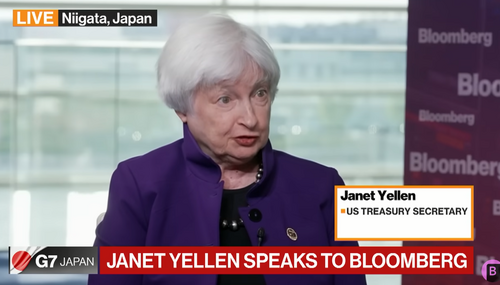
EXCLUSIVE: FOIA Docs Show Yellen Trying to Control Media Narrative
A government watchdog group shared exclusive documents with MRC Business exposing an apparently incestuous relationship between Bloomberg News and President Joe Biden’s Treasury Department.
NY Times Encourages What Even Yellen Called a ‘Constitutional Crisis’
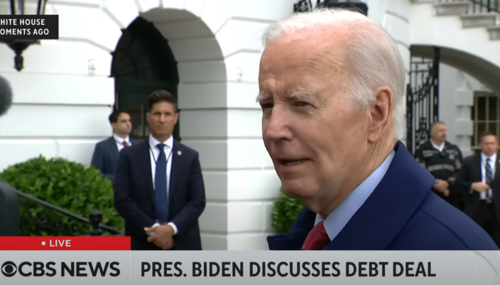
Shortly after recommending that President Joe Biden sign a fiscally irresponsible debt limit deal, the great minds at The New York Times pushed for what even Biden Treasury Secretary Janet Yellen has called a “constitutional crisis.”
ABC Tries to Spin Bad Biden Poll as a Wash, Lobs Softballs at Yellen
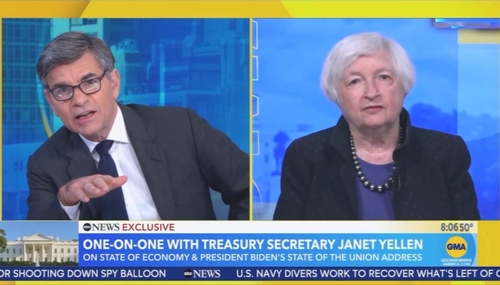
On Monday’s Good Morning America, ABC continued to voice its shock it first registered Sunday at latest poll showing voters believe they are worse off since President Biden took office than prior. Like with the Chinese spy balloon embarrassment, ABC sprung to Biden’s defense with a softball interview of Treasury Secretary Janet Yellen and suggesting the poll also had horrible news for…
Soros-Tied Treasury Dept Official Supports Defunding Police
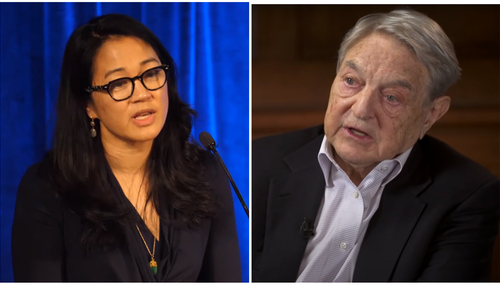
An executive at a group funded by liberal billionaire George Soros is a radical leftist who has supported defunding the police. She has since been tapped to become vice chair of the Biden Treasury Department’s brand-new racial equity committee.