Liberal Pundit Sees Almost No Liberalism on ESPN
May 4th, 2017 8:57 PM
At one time officially, and since then unofficially, the “S” in “ESPN” stood for “sports,” and, according to Mother Jones blogger Kevin Drum, that’s entirely fitting. As for the frequent complaint from conservatives about the channel’s liberal bias, Drum says, “I don't really get it...I'm not a heavy ESPN viewer, but I watch enough to have some sense of its political leanings. And I haven't…
Mother Jones Blogger Admits Liberals ‘Tend to Sneer’ at Working Class
December 10th, 2016 5:24 PM
Though it’s not clear whether the Democratic party will produce a post-presidential-election “autopsy report” like Republicans did in early 2013, there has been a lot of self-scrutiny among liberals since Hillary Clinton’s surprise loss. One example is Kevin Drum's Friday post written in response to a fellow liberal’s cluelessness. After New York Times columnist Paul Krugman claimed to be unaware…
Mother Jones Blogger: ‘F**k You, James Comey’
November 12th, 2016 1:30 PM
For the but-tell-us-how-you-really-feel file, this headline on a Friday post by Mother Jones blogger Kevin Drum: “Fuck You, James Comey.” The post, of course, centered on the presumed effect on presidential voting of Comey’s October 28 letter which jump-started the Hillary Clinton e-mail story. “When an election is close…there are dozens of people, events, and movements that can make a difference…
Lib Pundit: Honesty? Next to Trump, Hillary ‘Is Mother Teresa’
November 7th, 2016 5:58 PM
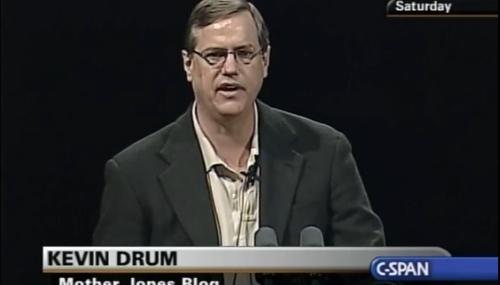
Conservatives are unwilling to let Hillary be Hillary where transparency is concerned, and “it drives them crazy,” believes Kevin Drum. In a post last Wednesday, Drum argued that whenever the right has “forced…openness on Clinton in an effort to destroy her,” it’s “done nothing except paint a portrait of a pretty normal politician,” a failure that’s left those conservatives with “bizarre levels”…
Writer: Media Normalize ‘Vicious’ Trump; Have ‘Grudge’ Against Hillary
August 27th, 2016 3:08 PM
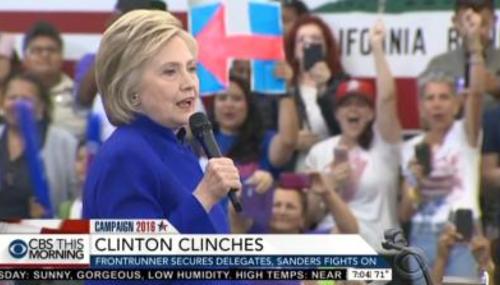
Plenty of journalists saw Hillary Clinton’s Thursday speech on Donald Trump and white nationalists as an attempt to further separate the GOP nominee from Republicans who aren’t #NeverTrump but are leery of voting for him. Kevin Drum of Mother Jones “propose[d] a different explanation”: that Hillary “was giving the press permission to talk about Donald Trump's racism." But Esquire’s Charles Pierce…
Mother Jones: Hillary ‘One of America’s Most Honest Politicians'
August 1st, 2016 8:45 PM
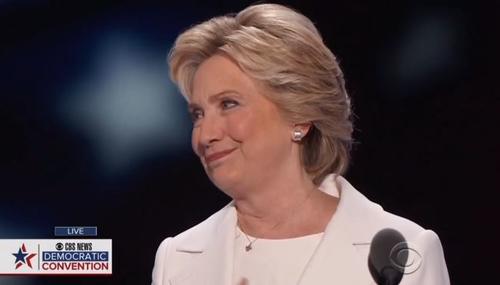
Kevin Drum has been blogging for a long time, so it’s not surprising that he’s got a flair for clickbait. You have to admit that the Monday headline “Hillary Clinton Is One of America’s Most Honest Politicians” is quite an attention-grabber. Of course, whether or not it’s true is another matter. Drum commented, “All politicians lie sometimes. That includes Hillary Clinton. But...Hillary is one of…
Bloggers on Pence: ‘Unprincipled Puppet’ Or ‘Lunatic Conservative’?
July 16th, 2016 1:09 PM
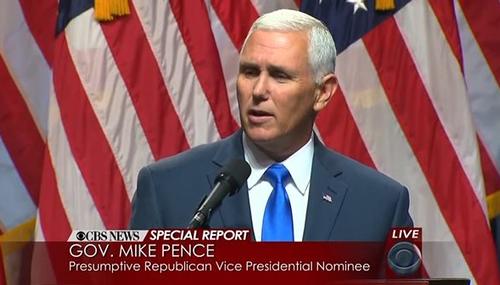
Much like Phil Mickelson took a big early lead in the British Open, Esquire’s Charles Pierce has taken a big rhetorical-excess lead in early blogging about Donald Trump’s VP pick, Indiana governor Mike Pence, calling him a “very strange and completely unreconstructed wingnut” whose paper trail contains “a rich deposit of sweet crude crazy.” Kevin Drum of Mother Jones described Pence as "not…
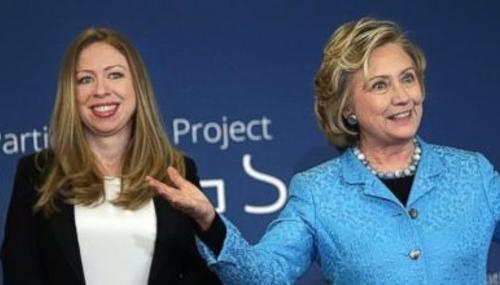
Mother Jones Pundit: No ‘Corruption’ Or ‘Deceit’ On Hillary’s Record
June 11th, 2016 11:20 PM
If there were a restaurant called Clinton Scandals, Kevin Drum has an idea of what the house specialty would be. “Whitewater was a nothingburger. Travelgate was a nothingburger. Troopergate was a nothingburger. Filegate was a nothingburger,” asserted Drum in a Wednesday post. “The Vince Foster murder conspiracy theories were a nothingburger. Monica Lewinsky was Bill's problem, not Hillary's.…
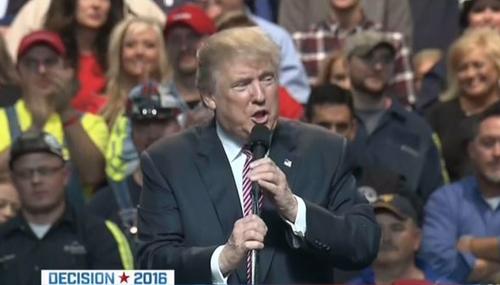
New York Magazine Pundit: Tea Party Was Trumpian, Not Conservative
May 25th, 2016 10:55 AM
New York magazine’s Jonathan Chait has contempt for both Donald Trump (“his appeal operates…at a sub-intellectual level”) and those who’ve voted for him (“the Republican Party turns out to be filled with idiots”). Still, suggested Chait in a Thursday post, Trump and his supporters have unwittingly clarified something important: the Tea Party movement is not and never was truly conservative,…
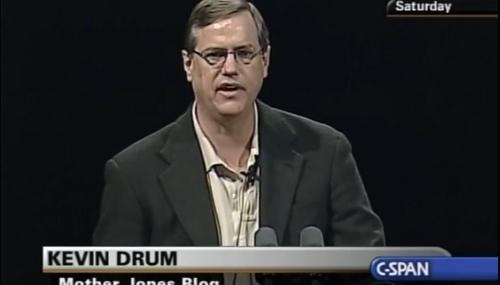
Blogger Lauds ‘Idealistic’ Students For Transgender-Bathroom Activism
May 17th, 2016 9:47 PM
Universities have generated countless breakthroughs in science, technology, and medicine. Then there’s the product of higher education that Kevin Drum discussed in a Saturday post: “The first concrete movement toward gender-neutral bathrooms started at universities. Now it's becoming mainstream. Good work, idealistic college kids!"
Drum remarked that some current campus obsessions -- “safe…

Blogger: GOP Might Find ‘Idiotic’ Campaign Meme in Hillary Transcripts
April 19th, 2016 5:54 PM
Kevin Drum thinks he understands Hillary Clinton’s reluctance to release the transcripts of her Goldman Sachs speeches, and it has more to do with attacks she might face during the fall campaign than it does with Bernie Sanders.
Drum believes it’s “vanishingly unlikely” that the speeches include “something genuinely damning,” but noted in a Saturday post that “when you give speeches to any…
Blogger Kevin Drum: Mixed Economy ‘Only Way to Run a Modern Country’
April 1st, 2016 12:14 PM
Call it the golden mean or the vital center, Mother Jones blogger Drum is for it with regard to economic systems. Drum contended in a Tuesday post that “the mixed economy is the only way to run a modern country” since the other choices, a “pure free market” and “socialism,” have unacceptable consequences.
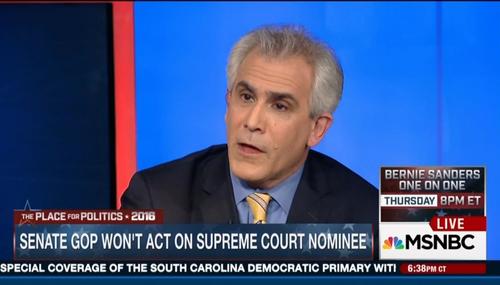
Pundit: GOP Base Wants Red Meat, and ‘Trump the Butcher’ Provides It
February 27th, 2016 12:34 PM
This past week, two writers for Mother Jones contended that non-conservative Donald Trump’s presidential bid is actually a byproduct of longstanding Republican efforts to stimulate and profit from what one of them called a “climate of hate.”
David Corn, best known for his role in the release of the Mitt Romney 47-percent video, argued that the GOP "raised the expectations of its Obama-detesting…
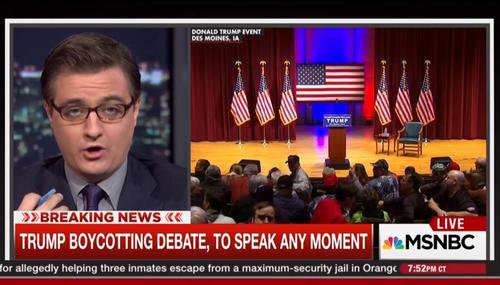
Chris Hayes Waves White Flag on MSNBC Succumbing to Trump Event
January 30th, 2016 1:21 PM
Kevin Drum at Mother Jones highlighted an exchange about Trump overcoverage on Twitter between MSNBC host Chris Hayes and Washington Post economics correspondent Jim Tankersley. Liberals and journalists were disappointed that a network like MSNBC would highlight Trump’s quickly assembled event to compete with the presidential debate. Hayes waved a white flag about the need to fill the public…