Not Hard, Libs: Conservative Media Push Leavitt on DOGE, Gangs, Tesla
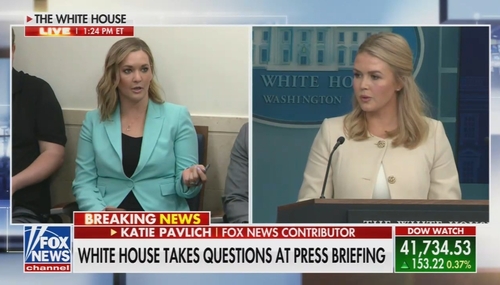
For only the second time since the week of January 26, White House Press Secretary Karoline Leavitt held a second briefing of a week. Along with our friend Katie Pavlich of Townhall having the chance to sit in the “new media seat,” she and other conservative reporters showed the liberal reporters it’s not that hard to ask real questions of your own “side” on issues ranging from crime to the…

‘Hellish,’ ‘Unhinged’; CNN SEETHES Over Trump at Plane Crash Briefing
CNN was unglued late Thursday morning and early afternoon over President Donald Trump’s remarks at the White House press briefing on the deadly mi-air collision over the Potomac River with aviation correspondent Pete Muntean — who had otherwise been invaluable in his analysis and reporting — joining other unsurprising characters in channeling now-former colleague Jim Acosta.
CNN SEETHES Over Hegseth Hearing, Continues Peddling Conspiracies
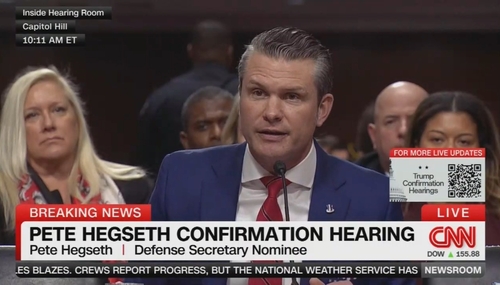
On Tuesday afternoon following Pete Hegseth’s five-hour-and-15-minute-long confirmation hearing to lead the Pentagon, CNN immediately made clear it was not having a good time, continuing to peddle the alcoholism and tattoo conspiracy theories about the “Kavanaugh-esque” Hegseth, suggested he was in over his head, and Democratic senators asked apt and thorough questions.

CNN Celebrates Joe Biden’s ‘Monumental,’ ‘Poignant’ Pardon of Hunter
With less than 30 minutes of air time Sunday night before bailing out for taped programming (while Fox News and MSNBC continued on for hours), CNN was ebullient Sunday night over President Joe Biden’s pardoning of son Hunter and called it a “poignant” and “monumental moment” to serve as the “culmination” of his entire presidency to save his “only surviving son” amid a life of “cruel” “…
CNN: Walmart Prices Will Skyrocket 250% Under Trump's China Tariff!
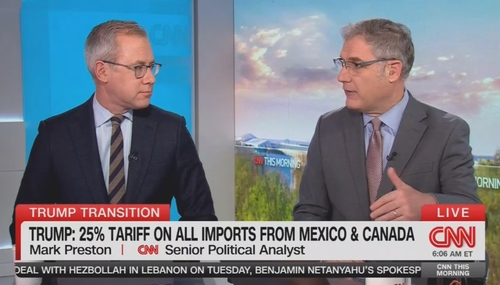
On CNN This Morning, CNN senior political analyst Mark Preston says that when Trump increases the tariffs on China, when you go to Walmart, you're not going to get something for like $3.99. It's going to be $13.99." That's an increase of 250%! Trump has proposed increasing existing tariffs on Chinese goods by only 10%. So where's the additional 240% coming from?
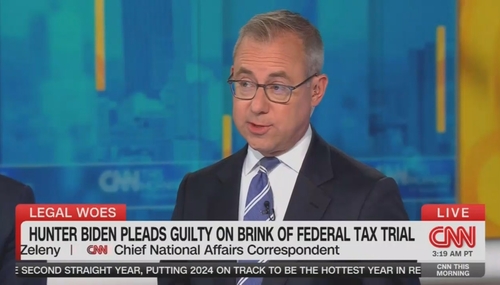
CNN's Zeleny On Whether Biden Should Pardon Hunter: 'Why Not?'
On CNN This Morning, CNN correspondent Jeff Zeleny, commenting on the question of whether Joe Biden should pardon his son Hunter despite having said on national TV that he would not, says "why not?"
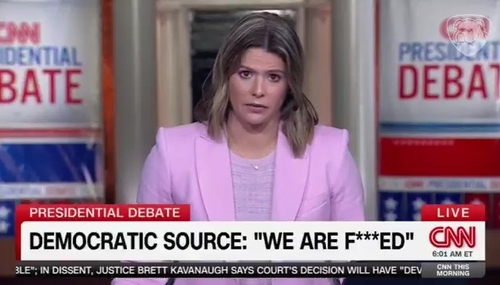
‘CNN This Morning’ Rips WH Hiding Biden, Asks If He Was ‘Overprepared’
Friday’s CNN This Morning attempted to make sense of President Biden’s porous performance in the network’s presidential debate on Thursday night with varying doses of cope, excuses, and even conceding reality. Even one White House reporter on-set blasted the administration’s years of denying reality about Biden losing a grip on reality.
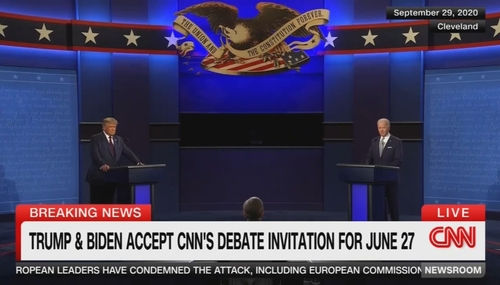
BREAKING: Biden, Trump Agree to Debates in June on CNN, Sept. on ABC
Following a flurry of developments Wednesday morning that publicly began with the Biden campaign’s lengthy statement and cut-filled video of President Biden goating former President Donald Trump, the two sides agreed just before 11:00 a.m. Eastern to an audience-less presidential debate for Thursday, June 27 at 9:00 p.m. Eastern inside CNN’s newly-minted Atlanta, Georgia compound in Techwood…
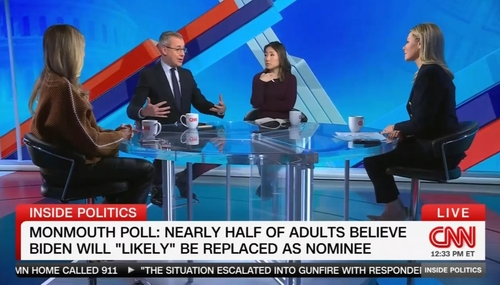
CNN Primes Pump to Pressure Biden to Give Up Nomination at Convention
President Biden was cruising to the 2024 Democratic nomination; given help from the liberal media in refusing to give his opponents any oxygen. But with Biden’s mental fitness for office coming increasingly into question following the special counsel investigation and his near-constant forgetfulness, CNN’s Inside Politics spent part of their Monday show seemingly priming the pump for…
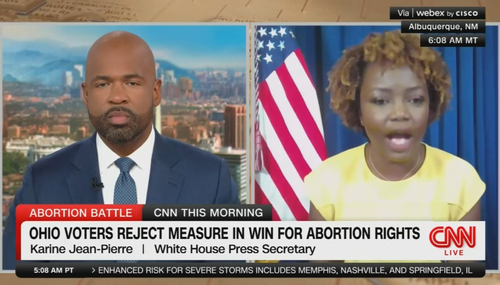
Spiking Football: CNN Lengthily Celebrates Ohio Amendment Vote Results
After the results of Tuesday night’s vote on Ohio’s ballot measure to raise the required percentage for constitutional amendments, framed as a referendum for an upcoming abortion amendment, Wednesday morning’s CNN This Morning featured five segments that totaled over 22 minutes of celebration of the proposal being turned down.
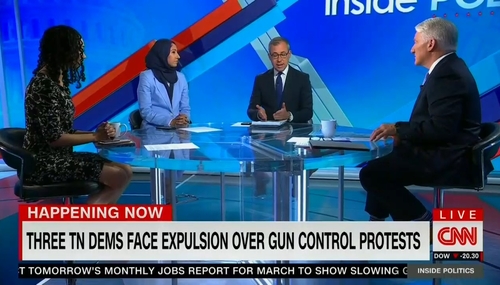
CNN Defends Tennessee Dems: 'No One Cares About The Rules'
As the Tennessee House of Representatives prepared to vote on Thursday to expel three Democratic lawmakers for disrupting proceedings by leading demonstrators with megaphones inside the House chamber, CNN Inside Politics host John King came running to their defense, claiming that “They were trying to get a discussion.” At the same time, chief national affairs correspondent Jeff Zeleny…
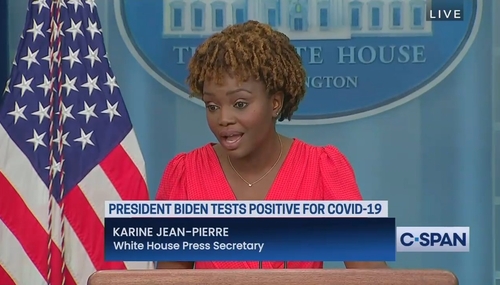
Rough Day? Jean-Pierre Flubs Basic Questions on Biden’s COVID Bout
Thursday wasn’t supposed to feature a White House press briefing, but President Biden’s positive COVID-19 diagnosis meant Press Secretary Karine Jean-Pierre was thrown before the press corps and, like most stays, she stepped on plenty of rakes. Over the course of the briefing, she failed to answer and scoffed at basic questions about how the President contracted the virus, whether she herself…
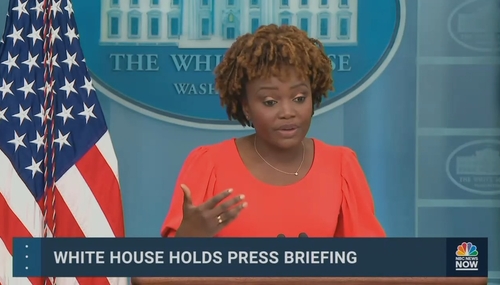
White House Reporters Slam Karine Jean-Pierre From the Left on Climate
With scorching heat across the globe and the climate change drumbeat ramped back up, the White House press corps acted in kind during Tuesday’s briefing as they repeatedly grilled Press Secretary Karine Jean-Pierre and senior adviser John Kirby from the left by demanding the administration do more to force through their side’s far-reaching agenda.
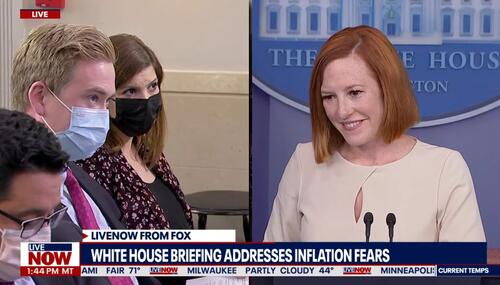
Doocy Stuffs Psaki's Gobbles Over Biden Vacation, Rittenhouse, Turkeys
In the final episode of The Psaki Show before Thanksgiving, Fox White House correspondent Peter Doocy went into the break with a bang as he grilled Jen Psaki over far-left Democratic Congresswoman Rashida Tlaib’s proposal to abolish prisons, pressing for answers on whether President Biden will apologize for impugning Kyle Rittenhouse’s character, the record costs for Thanksgiving dinner, and…