Morning Joe Insists Trump Is ‘Genocidal,’ America Will Be ‘Villain’
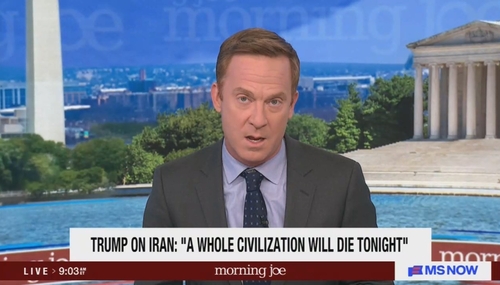
In a continued meltdown after President Trump’s press conference and continuous Truth Social posts, Tuesday’s Morning Joe on MS NOW continuously claimed Trump was about to commit war crimes in Iran, except for newly signed MS NOW analyst John Kirby, who acted as a voice of reason as he put trust in military leaders instead. Even after Kirby’s moment, during the 9 a.m. hour, co-host…
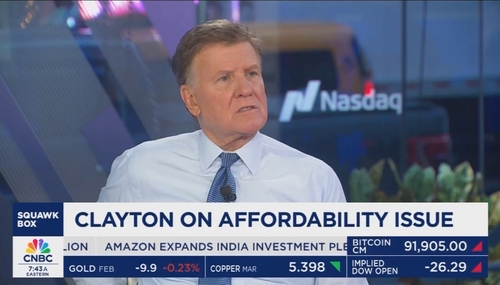
Pin the Tail on the Jackass: CNBC Blames Biden for Affordability Issue
It’s always great TV when the business journos over at CNBC take a wrecking ball to the media’s never-ending croaking against the Trump administration for an affordability issue they pretended wasn’t such a big deal under its predecessor.
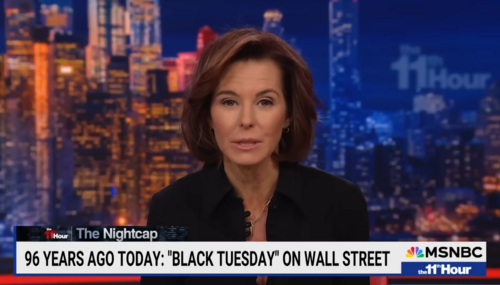
Okay, Doomers: MSNBC Prophesizes Trump Economy Heading for 1929 Crash
Despite all the media pseudo savants’s end-of-the-world predictions about the Trump economy falling flat on their faces, MSNBC is still out there banging pots and pans over an incoming Great Depression-era crash.
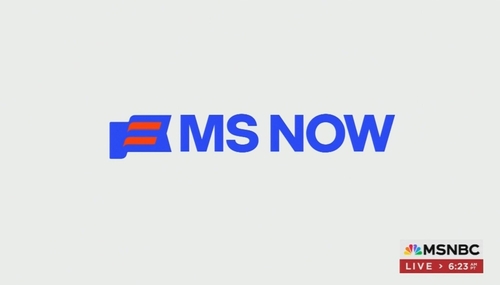
MSNBC Is Changing Its Name. It’s as Dumb as You Could Have Imagined.
On Monday morning, MSNBC and new parent company Versant — consisting of seven cable channels being spun off by Comcast’s NBCUniversal — announced after what must have been pallets of cash spent on consultants that they would change their name later this year to MS NOW, an acronym for My Source for News Opinion World. So, no, it won’t be MSDNC.
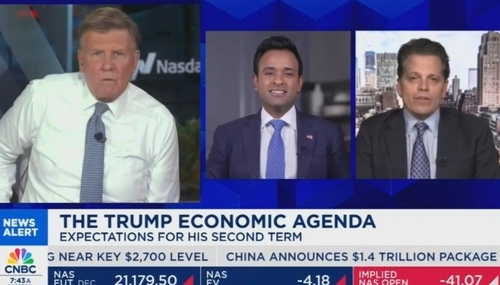
WATCH: CNBC’s Kernen Wrecks Scaramucci for Anti-Trump Grift
Anthony "The Mooch" Scaramucci, the founder and managing partner of investment management firm Skybridge, had to eat a huge serving of humble pie while on CNBC.
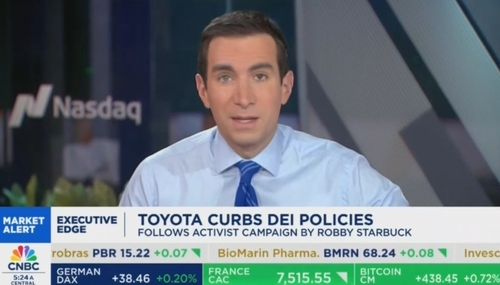
CNBC Anchor Marvels at DEI Collapse: ‘The Companies Fold Pretty Quick’
CNBC anchor Andrew Ross Sorkin was taken aback that social media campaigns continue to rip diversity equity and inclusion initiatives out of major companies, with Toyota being the most recent.
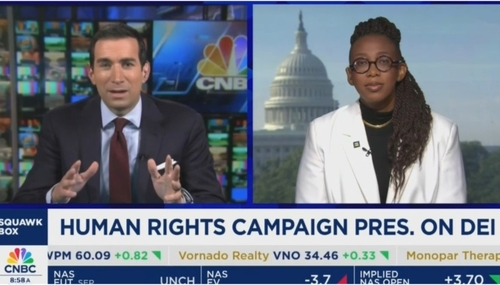
WATCH: CNBC Host Questions Head of Radical DEI Pressure Group
CNBC anchor Andrew Ross Sorkin brought on the president of a major leftist pressure group to explain the rapid collapse of diversity, equity and inclusion (DEI) initiatives at major companies.
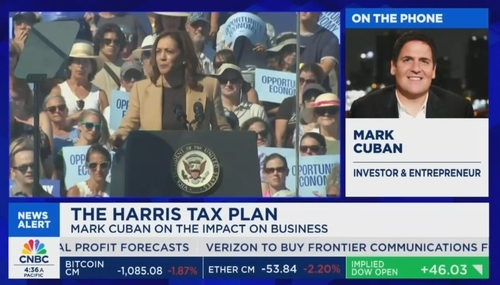
WATCH: Shark Tank Star's Foolish Claims About 'Pro-Business' Kamala
Shark Tank star Mark Cuban mounted an absurd defense of Vice President Kamala Harris on CNBC, claiming against all evidence that Harris was a moderate.
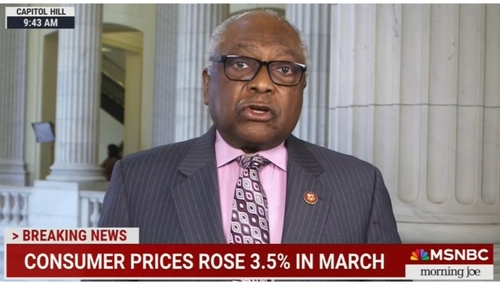
OOPS! MSNBC Cuts Off Clyburn Bidenomics Defense with Bad Econ News
National Co-Chair for the 2024 Biden Presidential Campaign Rep. Jim Clyburn wasn’t expected to be blindsided by bad news in friendly territory.
Bongino CALLS OUT Major ESG Entity Exploiting Americans
Syndicated radio host Dan Bongino called out a major financial advisory group for promoting Environmental, Social and Governance-related (ESG) investing after the group was confronted about it on national television.
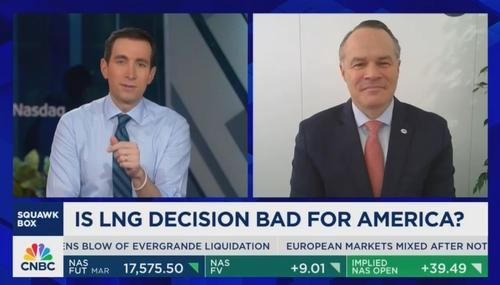
CNBC Guest Lambasts Biden: Attack on Natural Gas 'Bad for Consumers'
American Petroleum Institute CEO Mike Sommers eviscerated the Biden administration for stealing America’s energy future, in more ways than one.
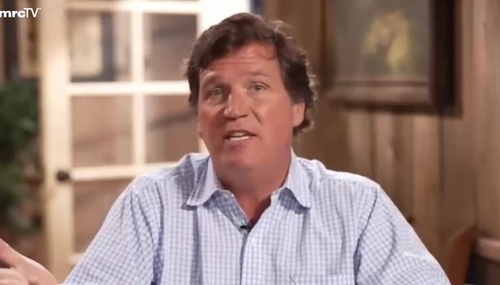
Tucker: Without THIS Platform, Media Will Put Biden Over the Top Again
Independent journalist Tucker Carlson made clear that any chance of a free and fair election in 2024 rests on keeping Elon Musk’s X (formerly Twitter) platform free of censorship.
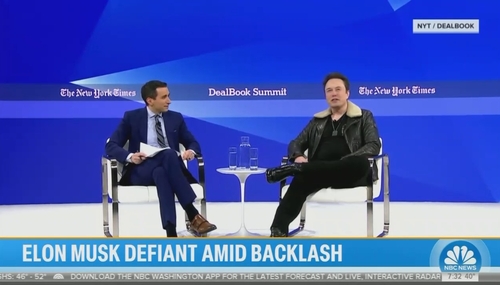
NBC’s Kotb, NYT’s Sorkin on Musk Interview: We Saw His ‘Demonic Side’
Reacting Thursday morning to Wednesday night’s bombshell Elon Musk interview at The New York Times DealBook Summit, NBC’s Today co-host Hoda Kotb and CNBC’s Squawk Box co-host Andrew Ross Sorkin, The Times columnist who interviewed Musk, described it as an illustration of Musk’s “demonic side” and “version” as Musk blasted corporations who’ve pulled…
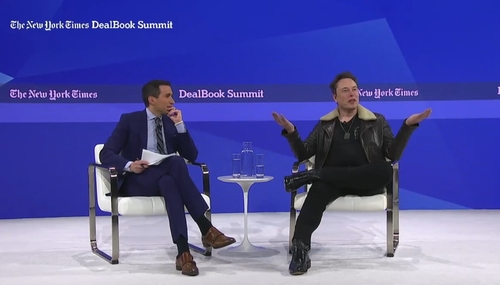
Pro-Free Speech Pundits on Musk Telling Advertisers ‘Go F*** Yourself'
Elon Musk defiantly dismissed concerns over advertiser boycotts at X (formerly Twitter), emphasizing his commitment to free speech. In a November 29 interview, he told companies that attempt to "blackmail" him with advertising dollars to "go f*** yourself." His stance garnered support from free speech advocates.