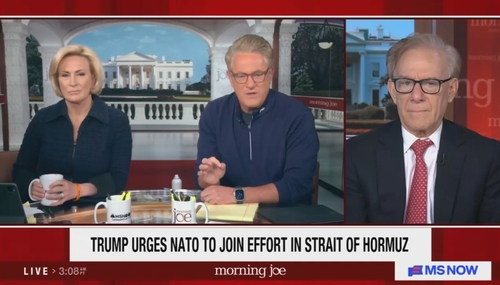
Scarborough Compares Iran to Vietnam, While Not Comparing Them
At the start of Monday’s Morning Joe, co-host Joe Scarborough made comparisons of Iran to Vietnam, most particularly when it came to the press, in a conversation with David Ignatius of the Washington Post. He did his typical ‘I’m not comparing these things’ as he compared the current Pentagon spokespeople to those from General Westmoreland and others from the Vietnam War…
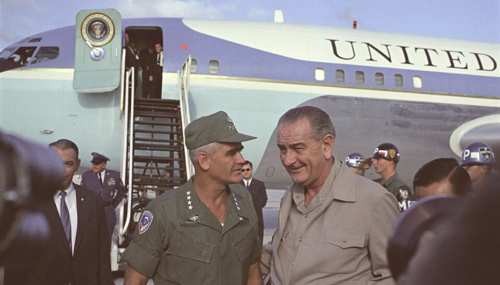
Has the Media Been Responsible for America Losing Wars?
As the war in the Middle East rages, let’s take a pause and a walk back through some history of the media and America at war.

NBC Visits Vietnam for Parade Marking 50 Years Since Fall of Saigon
Days after its sister newscast NBC Nightly News bemoaned tariffs hitting Chinese slave labor-linked shopping apps Temu and Shein, NBC’s Today sent Beijing-based correspondent Janis Mackey Frayer to gallivant around Vietnam for the communist regime’s propaganda parade marking the 50th anniversary of the end of the Vietnam War, a shameful scar on the country that’d be repeated…
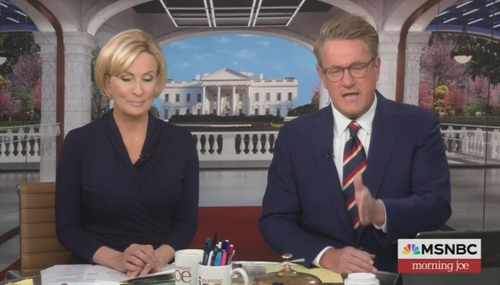
Scarborough: Failure To Put Down Campus Protests Could Elect Trump!
On Morning Joe, Joe Scarborough condemns weak college administrators for their failure to put down pro-Hamas campus protests. He warns that, just as protests in the 1960s led to the election of Richard Nixon, the current protests could lead to the election of Donald Trump, which may be "the last election in American history."
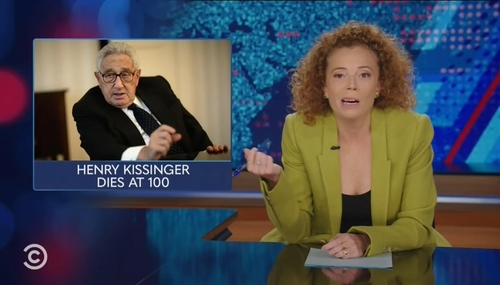
Daily Show Faux-Debates 'America's Greatest War Criminals'
Comedy Central’s tempt host of The Daily Show, Michelle Wolf welcomed correspondents Ronny Chieng and Michael Kosta for a “debate” on who is “America’s greatest war criminal” after the death of former Secretary of State Henry Kissinger. As Chieng and Kosta fake fought over Kissinger and former Vice President Dick Cheney, Wolf offered up President Andrew Jackson.
Scarborough Accuses GOP Of Turning America Into Iraq, Afghanistan
MSNBC Morning Joe co-host Joe Scarborough reached deep into his bag of outrageous analogies on Wednesday in order to accuse Republicans of turning America into Iraq, Afghanistan, and Vietnam because they refuse to pass gun control.
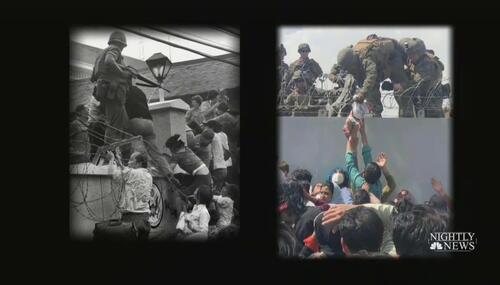
Scarborough Lectures Vietnamese Refugee on Saigon, NBCer Fires Back
MSNBC host Joe Scarborough made a fool out of himself on Sunday (he wasn’t even on his show) after tweeting an image of The New York Times Sunday Review front page comparing the fall of Kabul to the fall of Saigon. The self-righteous blowhard lectured the paper about how the obviously similar situations were nothing alike. The kicker? The author of the article was a Vietnamese-…
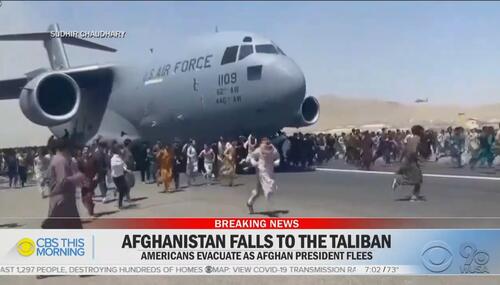
Lessons From Afghanistan
You have to give President Biden credit for consistency. Unfortunately, he has been consistently wrong. As Robert Gates, former defense secretary in the Obama administration once put it, Biden has "been wrong on nearly every major foreign policy and national security issue over the past four decades." Biden’s decision to withdraw U.S. troops from Afghanistan (and former President Trump’s…
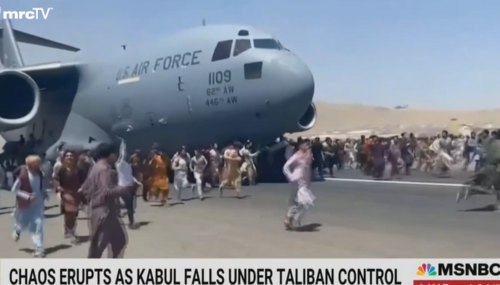
NBC's Engel Blasts Biden: 100 Times Worse than Saigon
In all my many years of blogging MSM outbursts against Republican presidents, I've never seen anyone angrier Richard Engel about Biden's Afghanistan fiasco. Well, there was Keith Olbermann. But for present purposes, let's leave aside the clinically disturbed. In a piece with which Morning Joe opened today's show, Engel absolutely unleashed on the Biden administration. Rolling heartbreaking…
Penalty for Early Withdrawal
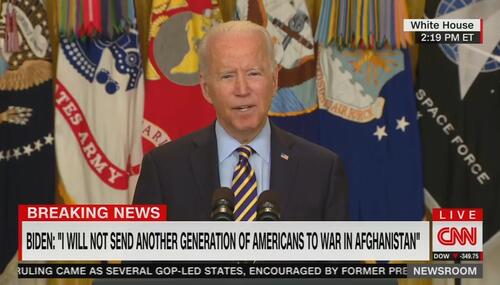
Retirement plans warn of a “penalty for early withdrawal.” Might that also apply to the withdrawal of American and NATO forces from Afghanistan? If you set aside the victory by coalition forces that expelled Saddam Hussein's overmatched troops from Kuwait in 1991, the U.S. has not won a war since World War II. Not in Korea. Not in Vietnam and now, says President Biden, Afghanistan is a war we…
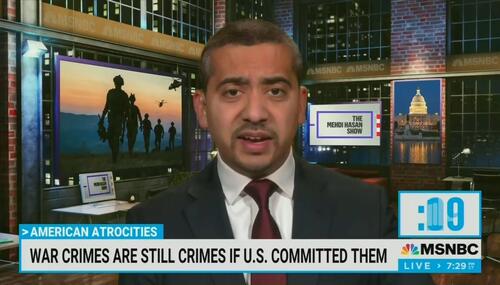
Deranged MSNBC Lib: We Aren't Prosecuting Enough U.S. War Criminals!
Deranged MSNBC leftist (and noted hater of Israel) Mehdi Hasan used his obscure MSNBC show on Sunday to make the outrageous claim that the United States is a country guilty of many war crimes and ranted about how we haven’t prosecuted enough war…
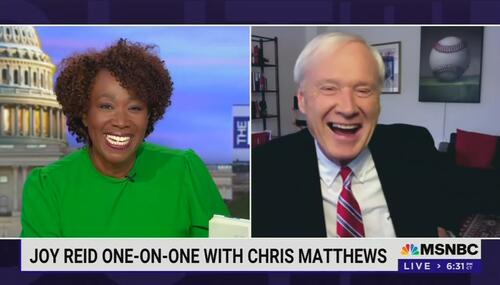
He’s BACK! Chris Matthews Returns to MSNBC With PLENTY to Talk About
After almost a year and a half away from television, former longtime MSNBC host Chris Matthews made his return to his old network and time slot on Tuesday’s ReidOut to promote his new book and sound off on everything from the 2020 election to January 6 to his departure from MSNBC to infrastructure to the Peace Corps to even South African politics.
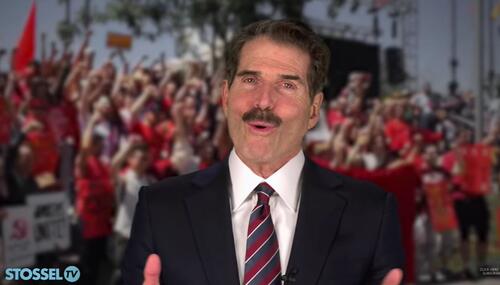
Five Myths About Socialism, Part Two
Last week, I reported on two myths about socialism. My new video covers three more. Myth No. 3: Socialism works if it's "democratic." As the Democratic Socialists of America put it, "Society should be run democratically -- to meet public needs, not to make profits for a few." Sounds nice. If socialists are elected, then we'll have a more just society. But Venezuela's socialists were elected.…

Five Myths About Socialism, Part One
People hate America's big disparities in wealth. It's a reason why, among young people, socialism is as popular as capitalism. The Democratic Socialists of America want a country based on "freedom, equality and solidarity." That sure sounds good. But does socialism bring that? My new video debunks several myths about socialism. One reason for socialism's continued appeal is linguist Noam…