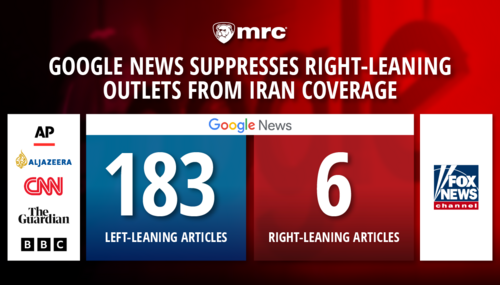
Daddy Dearest Reveals Why Alexander Soros HATES Trump’s Iran Strikes
Is it any real surprise that the crown prince of the most notorious left-wing empires in American politics is getting all bent out of shape because President Donald Trump decided to finally dismantle the murderous Islamist regime of Iran?
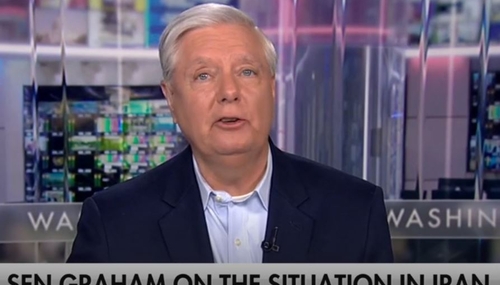
Sen. Graham: ‘You’re Stupid…a Fool’ if You Think Iran Wouldn’t Nuke US
“People got Hitler wrong,” Senator Lindsey Graham (R-SC) warned Monday, addressing Americans who don’t believe Iran was on the verge of having nuclear weapons it wanted to use against the U.S.
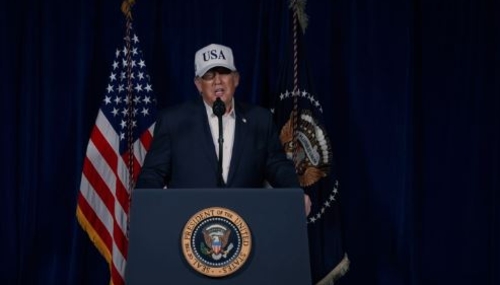
‘The Hour of Your Freedom Is at Hand,’ Trump Tells Iranian People
“A short time ago, the United States began major combat operations in Iran,” President Donald Trump announced Saturday morning in a brief address providing hope to Iranian citizens and explaining to Americans how the action is vital to world safety.

MSNBC’s Psaki Lies About Not Knowing Why Trump Testing Nuke Capability
Do Jen Psaki and her producers even bother to do their due diligence anymore? Thursday night’s The Briefing on MSNBC painted President Trump’s announcement to test the United States’ nuclear capabilities “on an equal basis” with our adversaries as an arbitrary and confusing decision without providing proper context or explanation.
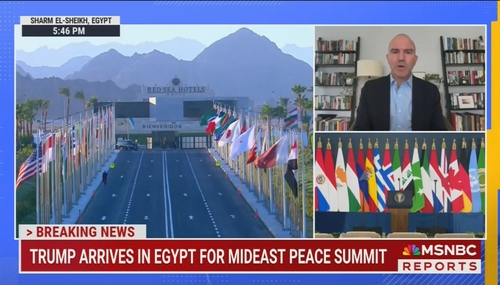
MSNBC Flat-Out Lies about Iran Nuclear Deal, Diminishes Trump Strike
After President Trump’s speech at the Israeli Knesset on Monday, MSNBC contributors tag-teamed a critique of his actions against Iran and his international diplomatic capabilities. This included affirmation for the Joint Comprehensive Plan of Action, a failed Obama-era treaty that primed Iran for nuclear weapons capabilities.

Legacy Media Reax to U.S. Bombing Iran Nuke Sites: SHOCK AND SQUAWK
Media reaction to news of the U.S. bombing of critical Iranian nuclear sites was mixed at best, as evidenced by initial Saturday night coverage. Below is a compendium of some of those reactions, which ranged from plain goofy to outright awful.

Brennan Audibly Sighs as Rubio SCHOOLS Her on Iran Intel Assessment
The media are trying to collect themselves in the immediate aftermath of Operation Midnight Hammer- the U.S. mission to destroy critical Iranian nuclear facilities at Natanz, Esfahan and Fordow. As we see on CBS’s Face the Nation, some have decided to do the same old thing as always and get wrecked for their efforts.
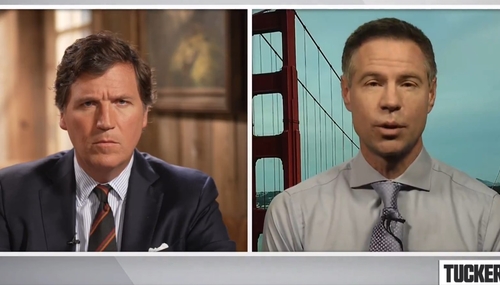
Shellenberger to Tucker: Soros and Bloomberg Want Energy to be Scarce
Twitter Files journalist Michael Shellenberger rebuked leftist billionaires who oppose both popular sources of energy and their most effective replacements during a conversation with independent journalist Tucker Carlson.
Newsweek: Nuclear War Could Offer ‘Temporary’ Help for Climate Change
Newsweek wasted column space treating a claim that nuclear war could “solve” climate change as serious enough to warrant a fact-check, and ended up legitimizing the idea to an extent. Yes, really.
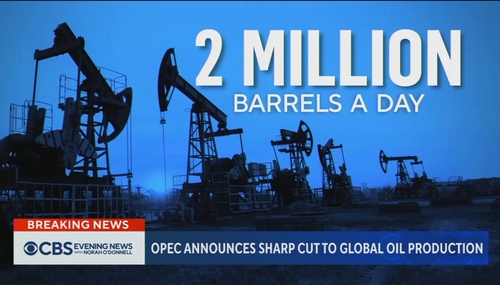
America’s Suicidal Energy Policy Has Very Real Costs
Last week, Saudi Arabia announced, in conjunction with OPEC+, that it would be cutting oil production in the face of dropping prices. That decision came in spite of the Biden White House's lobbying in favor of increased production, which included a sycophantic visit by President Joe Biden to Saudi Crown Prince Mohammed bin Salman. In response to the Saudi announcement, the White House quickly…
The Renewable Energy Fail
The “Greens” promise renewables, solar and wind power, will replace fossil fuels. After all, the wind and sun are free, and they don't pollute! Oops. Now countries that embraced renewables are so desperate for power that they eagerly import coal, the worst polluter of all! Do they apologize? No. Greens never apologize. Germany was a leader in renewable energy, so confident in solar and wind…
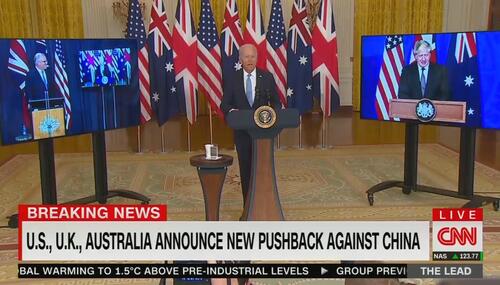
The Aukus Treaty, 30 Years of Calm?
Washington -- One of the unsung prophets of Aukus last week was the great British historian Andrew Roberts, who soon will be recognized throughout the English-speaking world as the man who has attempted to retrieve the reputation of King George III from the sneers of ... well, of people like me. His biography of George III will come out in early November, and of course, I have not had a chance…
Go Green, Go Nuclear
This Thursday, Earth Day, politicians and activists will shout more about "the climate crisis." I don't think it's a crisis. COVID-19, malaria, exploding debt, millions of poor children dying from diarrhea -- those are genuine crises. But global warming may become a real problem, so it's particularly absurd that Earth Day's activists rarely mention the form of energy that could most quickly…

WATCH: Hoover Visiting Fellow Lomborg Slaps Down Climate Alarmism
Hoover Institution visiting fellow Bjorn Lomborg joined Fox Business to slap down the left’s climate change fanaticism. Lomborg told Fox Business host Larry Kudlow that there’s “a lot of hype going on with climate change.” He suggested that there has been a lack of a sense of proportion when it comes to the focus on climate change.