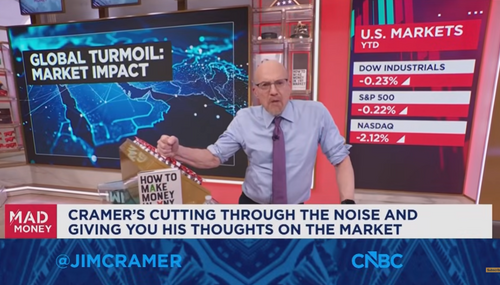
HA! Jim Cramer Predicted $200 Oil Spike Right Before Historic Plummet
CNBC’s Mad Money host Jim Cramer has reached semi-divine stature! His ability to use his bird brain to effectuate the inverse of what he prophesies will happen to the market continues to prove itself legendary and unmatched!
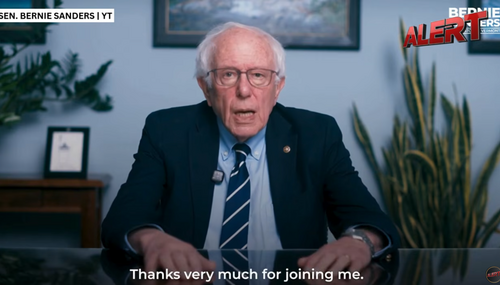
WOW: Washington Post Skewers Nutty Bernie Sanders Wealth Tax Proposal
The Washington Post editorial board shocked the internet by vigorously thwacking the nutty socialist tax proposals by one of the left’s most radical icons in Congress: Sen. Bernie Sanders (I-VT).

NY Times AGAIN Spews Economic Scareporn to Vilify Trump’s Iran Blitz
Like a good neighbor, The New York Times is there... to dump a bucket of ice water on your parade! The lefty newspaper is trying to whip out — get this — economics to lambast President Donald Trump and Israel’s historic military toppling of arguably the most murderous regime in the Middle East.
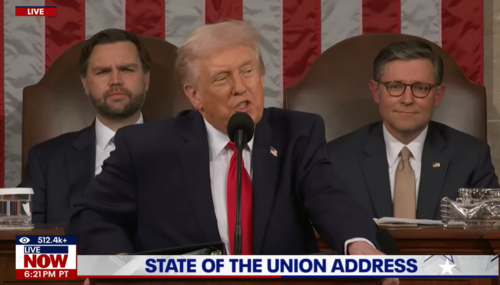
OOPS! Axios Just Kneecapped the Media’s ‘K-Shaped Economy’ Narrative
One of the most exhausted methods employed by the media to tear into the Trump economy has been to whip out the narrative that it is “K-shaped” -- wealthy Americans propping up consumer spending while poorer consumers increasingly pull back. But a new report from Axios just blew up that whole talking point.
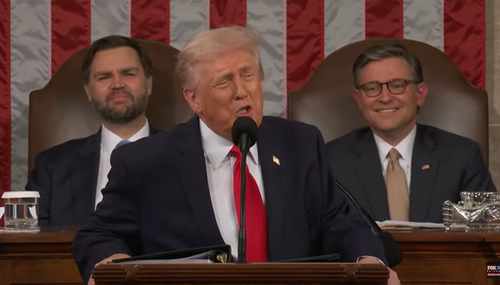
HA! CNN Admits ‘Trump Is Right: The Economy Is Strong’ Post-SOTU
It’s been proven that CNN will never give President Donald Trump an inch on a “strong” economy without taking logic and twisting it into such an amorphous pretzel to take nonsensical jabs at his record anyway.
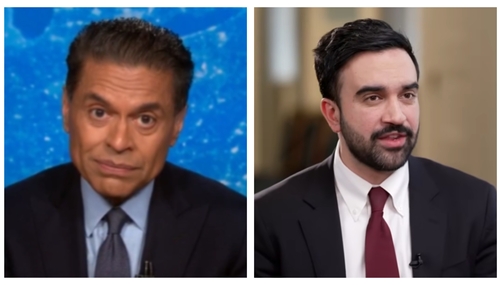
STUNNER: CNN’s Fareed Zakaria Rips Fiscally Out of Control Blue Cities
One of CNN’s most notorious TV egoists surprises viewers every once in awhile by displaying a modicum of common sense in the face of leftist politicians running economies into the mud. His recent repudiation of blue city spending is no exception.
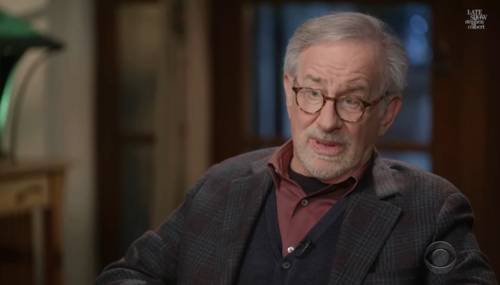
Bad Investment? Lefty Billionaire Spielberg Flees High-Tax California
One of California governor Gavin Newsom’s (D) most high-profile donors is getting the heck out of Dodge. Steven Spielberg, one of the most influential movie-makers in Hollywood history, is reportedly fleeing California for New York, according to the New York Post.
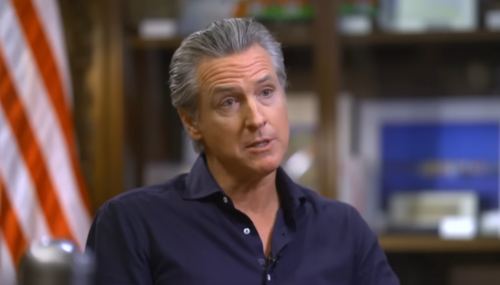
Wall St. Journal Columnist Rails Against Billionaires Evading Taxes
The Wall Street Journal has promoted itself as the "Daily Diary of the American Dream," as a promoter of national prosperity. But some columnists find the titans of capitalism too unseemly to support any more.
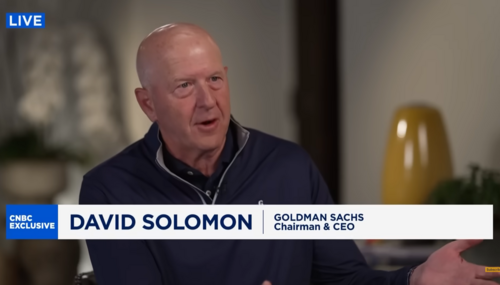
WATCH: Goldman Sachs CEO Bucks Media with Upbeat 2026 Economic Outlook
Last Friday on CNBC’s Squawk Box, the CEO of Goldman Sachs blew a gaping hole in the never-ending media outrage bait about the Trump economy. Asked by co-host Joe Kernen for his 2026 economic forecast, David Solomon emphatically replied that “the macro setup is quite good,” which shatters doom narratives being promulgated by CNN, The New York Times, and others desperate to…
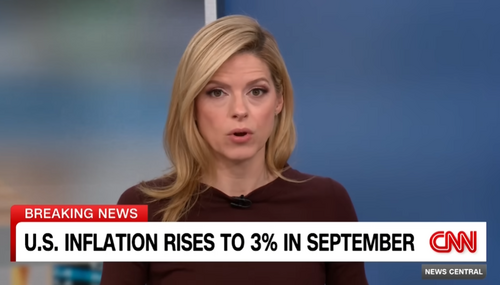
CNN Obsessed With Eking Out A Win on Dumb Trump Economy Scare Porn
CNN Business’s so-called “senior writer” Alicia (not Nicolle) Wallace can’t seem to get the hint that her ongoing narrative war against the Trump economy is flopping harder than Joe Biden’s mental acuity.

‘BAD BREATH!’ WashPost Spews Hot Air on Trump Ruining Valentine’s Day
The Washington Post Editorial Board couldn’t have timed its faux-fussbudgeting over how the Trump tariffs were supposedly juicing Valentine’s Day inflation more perfectly (sarcasm). News was just released that inflation eased in January.
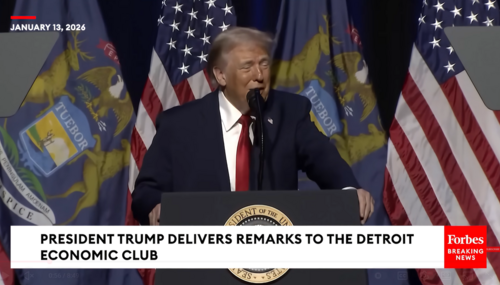
NY Times Keeps Trying to Yank a Win from Failed Tariff Doom Forecasts
The New York Times just can’t seem to get a grip on the fact that its fearmongering that economic catastrophe was nigh due to the Trump tariffs over the past year never materialized.
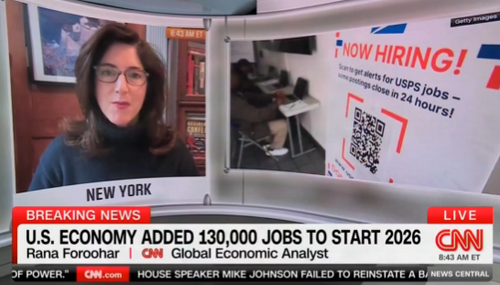
STRUGGLE SESSION: CNN Undercuts CNN on Explosive January Jobs Numbers
The different divisions of the God-forsaken excuse for a news network known as CNN were fumbling over themselves to get their narratives aligned over news that jobs growth exploded in January.
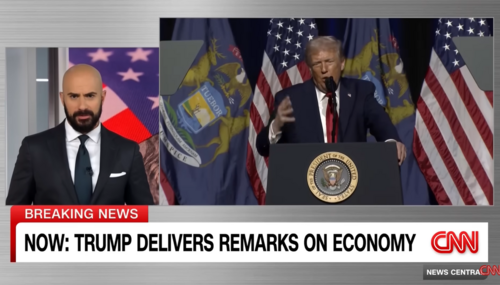
CNN's Brain-Dead Take: Trump ‘Might Regret’ Refocusing on Economy
President Donald Trump is making a huge mistake campaigning on an economy that’s projected to have expanded well over four percent at least in Q4 2025 didn’t ya know! At least, that’s the newest hot take being blurted into cyberspace by CNN.