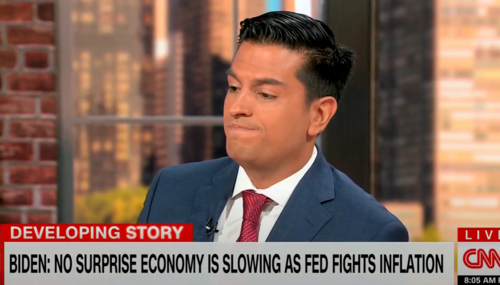
Getting Gassy: CNN BEGS Readers ‘Don’t Panic’ About High Gas Prices
CNN is back to its old schtick of desperately spinning higher gas prices to look like no big deal for Americans, even though they’re currently hovering at four-month highs.
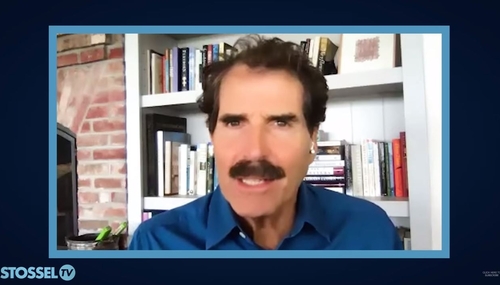
Alex Epstein Makes the Case for Fossil Fuels and Green Deceptions
Earth Day is Saturday! Hooray? “Saving humanity from the climate crisis,” says EarthDay.org, requires us to “push away from the dirty fossil fuel economy.” Sounds logical. But my latest video explains why doing that is cruel to poor people. “Three billion people in the world still use less electricity than a typical refrigerator,” explains Alex Epstein, author of “The Moral Case for Fossil…
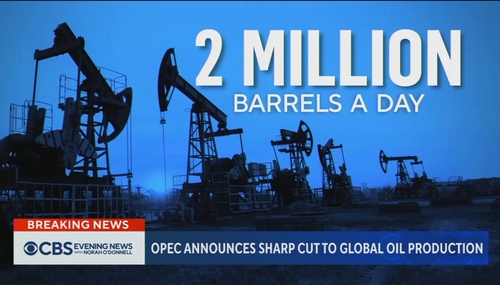
America’s Suicidal Energy Policy Has Very Real Costs
Last week, Saudi Arabia announced, in conjunction with OPEC+, that it would be cutting oil production in the face of dropping prices. That decision came in spite of the Biden White House's lobbying in favor of increased production, which included a sycophantic visit by President Joe Biden to Saudi Crown Prince Mohammed bin Salman. In response to the Saudi announcement, the White House quickly…
The Return of the Dark Ages
Population declined. Global temperatures rose. Migration of people from destabilized regions increased. Wind and solar energy supplied the planet all its power. On Sept. 4, 476, Romulus Augustus stepped down from the throne of the Western Roman Empire and the world entered the Dark Ages, which lasted until around the year 1000. Now, 1,022 years after the end of the Dark Ages, as populations…
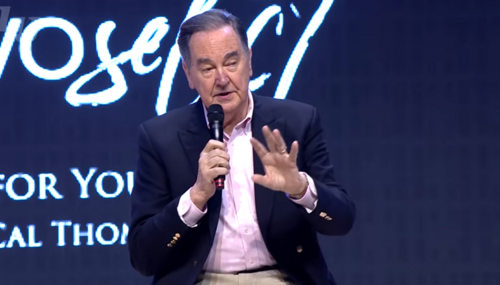
California Dream Could Become a Nightmare
“Well, they’re out there a-having fun In that warm California sun” – (1964 song by The Rivieras) California has become an example of what a state looks like when it is controlled by a single party – in this case Democrats – who are trying to impose a green energy secular religion on their people. State officials have banned the sale of gas-powered cars by 2035, but a preview of the…
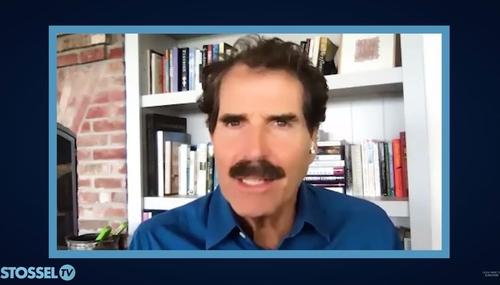
The Renewable Energy Fail
The “Greens” promise renewables, solar and wind power, will replace fossil fuels. After all, the wind and sun are free, and they don't pollute! Oops. Now countries that embraced renewables are so desperate for power that they eagerly import coal, the worst polluter of all! Do they apologize? No. Greens never apologize. Germany was a leader in renewable energy, so confident in solar and wind…

The New Yorker’s OUTRAGEOUS Climate Nemesis: Refrigerators
New Yorker Staff Writer David Owen took a nosedive into eco-extremism. He argued that the refrigerator has become — wait for it — “an agent of climate catastrophe.”
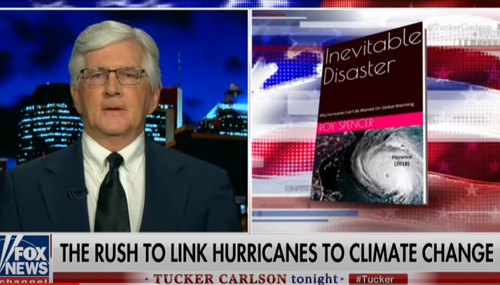
Anti-Science? Climate Skeptic Says Google Demonetized His Website
A meteorologist known for smacking down the sensationalism of eco-fanatics said his website was demonetized by censorship giant Google. University of Alabama, Huntsville Principal Research Scientist Dr. Roy Spencer posted a blog on his website Jan. 7 saying that he had been demonetized for “unreliable and harmful claims.”
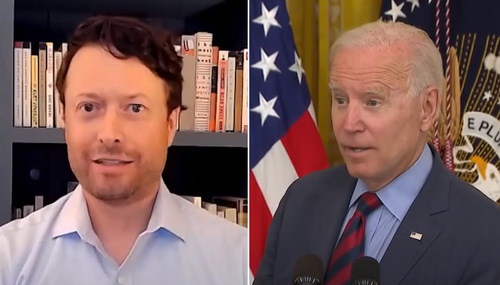
NYT Urges Biden: 'Why Not' Hike Gas Prices to Fight Climate Change?
The New York Times has turned its sights on the middle class by asking President Joe Biden why Americans shouldn’t pay more at the pump to fight climate change.
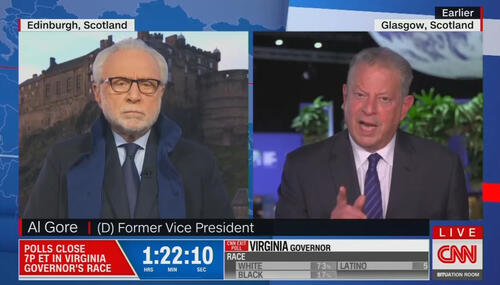
RIDICULOUS: On CNN, Gore Defends China’s Climate ‘Commitment’
Former Vice President Al Gore went from making Armageddon climate predictions that didn’t pan out to running point for China’s alleged “commitment” to end its overseas coal financing.
Bozell: ‘Digital Brownshirts’ Funded by Pro-China Left Attack Right
The U.K.-based Center for Countering Digital Hate wants to censor organizations that disagree with it on climate policy. It released an absurd report attacking the Media Research Center and eight other conservative organizations in an attempt to shut them down online.
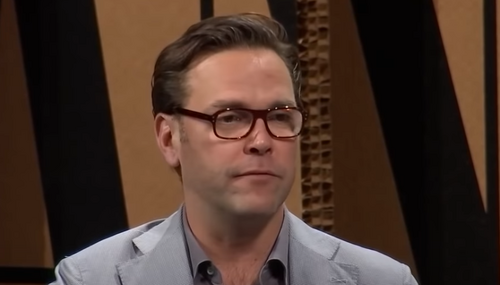
James Murdoch Investing Heavily in AP Climate Reporting Hub
Climate activist James Murdoch is set to make a multimillion-dollar investment in the Associated Press climate journalism, as if AP didn’t already have a big enough left-wing bias. The Murdoch investment is going toward “the formation of a new climate reporting hub at the Associated Press,” according to an Axios scoop.
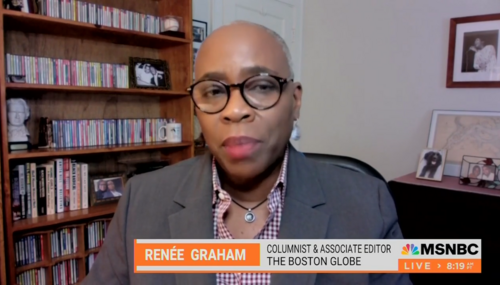
On MSNBC, Boston Globe Columnist Rips 'Dirty-Coal Joe' Manchin
On Jonathan Capehart's The Sunday Show on MSNBC, Boston Globe columnist and associate editor Renée Graham furiously ripped into Sen. Joe Manchin for opposing the "clean-energy" portion of the $3.5 trillion spending proposal Graham called Manchin "dirty-coal Joe," and implied he was bought-and-paid-for by the coal industry.

ABC, NBC Evening News Ignore Report on Possible HUGE Energy Cost Spike
The ABC and NBC evening news networks tried to sweep major warnings that Americans will face skyrocketing energy prices this winter under the rug for two straight days of coverage. The U.S. Energy Information Administration (EIA) released a devastating report Oct. 13 showing that “households across the United States will spend more on energy this winter compared with the past several winters…